


How to Read AirTAC Solenoid Valve Product Codes: 4V210-08, 3V110-06
Jun 23 2026Learn how to read AirTAC solenoid valve product codes like 4V210-08 or 3V110-06, understand port size, Cv, and series, and choose the correct valve for pneumatic systems and single or double-acting cylinders.
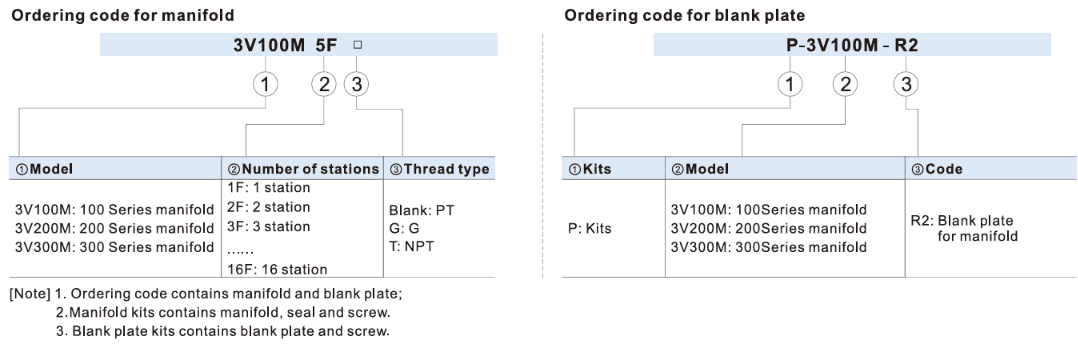
In pneumatic and automation systems, understanding AirTAC solenoid valve product codes is essential for engineers, operators, and suppliers to select the correct model, port size, Cv, and working pressure. Choosing the wrong valve can result in valve not actuating, slow cylinder response, or reduced equipment lifespan. This article explains how to read AirTAC product codes, interpret the symbols, and use catalogs and real-life images to select the right valve.
1. Overview of AirTAC Product Codes
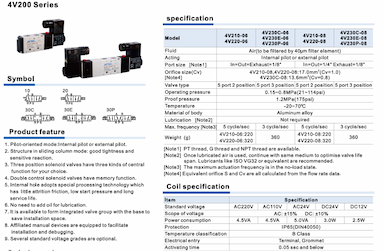
Each AirTAC solenoid valve has a unique product code, for example, 4V210-08 or 3V110-06. The code provides complete information about the valve:
- Valve Series: 3V, 4V, or 5V
- Model and size
- Port size and airflow (Cv)
- Number of positions and valve type (5/2, 5/3, 3/2)
Understanding the code helps to:
- Select valves suitable for single-acting or double-acting cylinders
- Ensure port size and Cv compatibility
- Avoid installing the wrong series → prevents reduced performance or coil damage
- Accurately reference AirTAC catalogs and specification tables
2. Product Code Analysis
2.1 Valve 4V210-08
- 4V: 4V series – 5 ports, 2 or 3 positions (5/2, 5/3-way)
- 210: Model number, indicating port size and Cv
- 08: Specific port size/Cv → e.g., 1/4", higher Cv than 4V210-06
2.2 Valve 3V110-06
- 3V: 3V series – 3 ports, 2 positions (3/2-way)
- 110: Model number, affecting size and operating pressure
- 06: Port size/Cv specification → e.g., M5 or 1/8", lower Cv
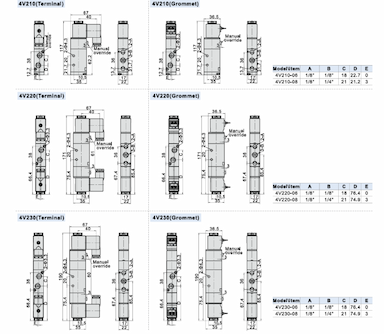
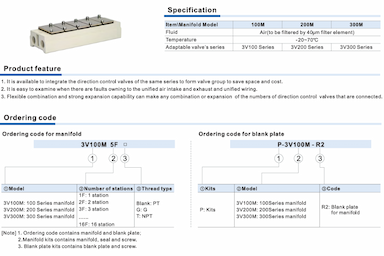
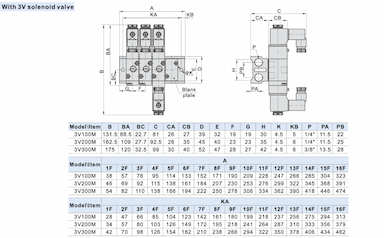
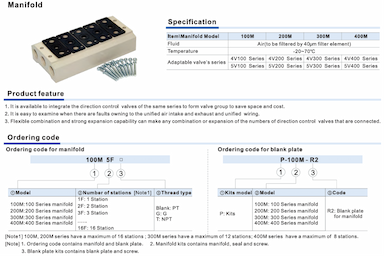
When reading product codes, it is recommended to reference the AirTAC catalog to compare port size, Cv, and pressure for each model.
3. Benefits of Reading Product Codes Correctly
- Select the correct valve for single-acting or double-acting cylinders
- Ensure airflow and port size are compatible
- Prevent installation errors → maintain system efficiency
- Facilitate maintenance and verification with catalog and wiring diagrams
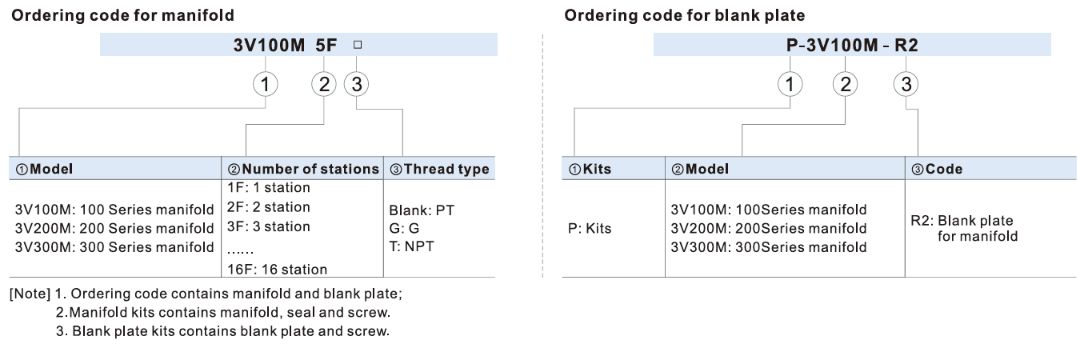
4. Key Considerations When Choosing a Valve by Product Code
4.1 Port Size and Cv
- Always compare port size and Cv with the cylinder
- Selecting the correct airflow ensures proper piston movement and prevents valve vibration
4.2 Series and Model
- Do not mix valves from different series in the same system
- Choose a model compatible with the cylinder size and operating pressure
4.3 Coil and Voltage
- Select the correct voltage: AC220V, AC110V, DC24V, or DC12V
- Connect the coil correctly (vertical or parallel plug wire)
5. Common Errors When Reading Product Codes
- Selecting the wrong port size or Cv → slow cylinder, valve vibration, high pressure drop
- Choosing the wrong series or model → valves not synchronized, system performance reduced
- Using the wrong coil voltage → valve fails to actuate or coil burns
- Failing to consult the catalog → incorrect installation → reduced valve lifespan
How to Select AirTAC Solenoid Valves from A-Z (With Technical Guidance)

AirTAC Pneumatic Combo Solution – Valve + Cylinder + Air Filter
Where to Buy Genuine AirTAC Pneumatic Valves – Trusted Suppliers
Latest AirTAC Solenoid Valve Price List – 2026 Update
AirTAC Solenoid Valve Accessories – Quick Connects, Silencers, and Sub-Bases
Top-Selling AirTAC 4V Series Solenoid Valve Models in 2026
AirTAC Solenoid Valve Catalog – Full Guide to Download and Use the PDF
Complete AirTAC Solenoid Valve Specification Table – Your Ultimate Guide
AirTAC Solenoid Valve Maintenance Checklist – Troubleshooting Guide
Solenoid Valve Vibration and Noise – Quick Troubleshooting Guide for Pneumatic Systems