


Solenoid Valve Vibration and Noise – Quick Troubleshooting Guide for Pneumatic Systems
Jun 29 2026AirTAC solenoid valves may vibrate or make rattling noises due to unstable pressure, debris, or coil issues. Quick troubleshooting tips help restore smooth operation, protect cylinders, and maintain system efficiency.
Solenoid valves are crucial components in industrial pneumatic systems, responsible for controlling airflow, operating cylinders, and actuators. However, during operation, many users encounter the issue of solenoid valves vibrating or producing a rattling noise, which can affect system performance, reduce component lifespan, and compromise operational stability.
In this article, we will analyze why solenoid valves vibrate or make noise, provide quick troubleshooting tips, and explain preventive measures to help you maintain AirTAC 4V Series and 3V Series valves in optimal condition.
Causes of Solenoid Valve Vibration and Rattling
1. Unstable Air Pressure
One of the most common reasons a solenoid valve vibrates is fluctuating air pressure. When the pressure supplied to the valve varies significantly, the valve cannot open or close smoothly, causing vibration and rattling sounds. This often occurs when the air filter or regulator does not provide consistent airflow, or the upstream compressor delivers uneven pressure.
2. Contamination or Dirt in the Valve
During operation, dust, metal particles, or other debris in the compressed air can accumulate on the valve spool, coil, or filter, preventing smooth movement. This not only causes noise and vibration, but also reduces the lifespan of the valve and connected mechanical components.
3. Improper Installation
Incorrect valve installation is another major cause:
- Valve not securely mounted to the manifold or pipe.
- Distance between valve and cylinder too long, or use of flexible hoses that are too soft, reducing airflow stability and causing vibration.
- Using a valve not compatible with the system’s pressure or flow requirements.
4. Weak or Faulty Coil
The coil is the critical component that allows the solenoid valve to open and close via electric signals. If the coil is burned, overheated, or supplied with incorrect voltage, the valve will not operate evenly, producing vibration and rattling sounds. This is common when AirTAC 4V or 3V Series valves are overloaded or supplied with unstable power.
5. Incorrect Flow Rate (Cv)
Every solenoid valve is rated with a maximum flow coefficient (Cv). Using a valve too small or too large for the cylinder demand may cause improper operation, resulting in vibration or delayed response. Understanding Cv and selecting the correct valve is critical.
Quick Troubleshooting for Vibrating or Noisy Solenoid Valves
1. Check and Stabilize Air Pressure
- Use an AirTAC AR/BR Series pressure regulator to stabilize input pressure.
- Ensure pressure and airflow match valve and cylinder requirements.
- Avoid situations where pressure fluctuates due to long piping or insufficient compressor capacity.
2. Clean the Valve and Air Filter
- Disassemble the valve and clean the spool, coil, and filter mesh.
- Use clean compressed air or lint-free cloth to remove dust, metal chips, and debris.
- Check air tubing and inlet/outlet ports to ensure they are not blocked.
3. Inspect Installation
- Ensure the valve is securely mounted on the manifold or sub-base to prevent rattling.
- Use tubing with appropriate diameter and length to maintain airflow.
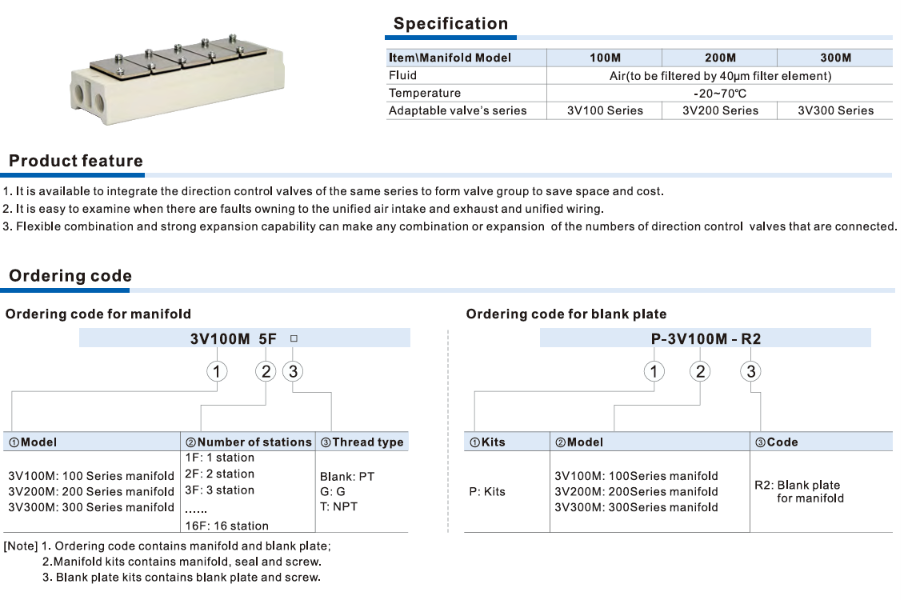
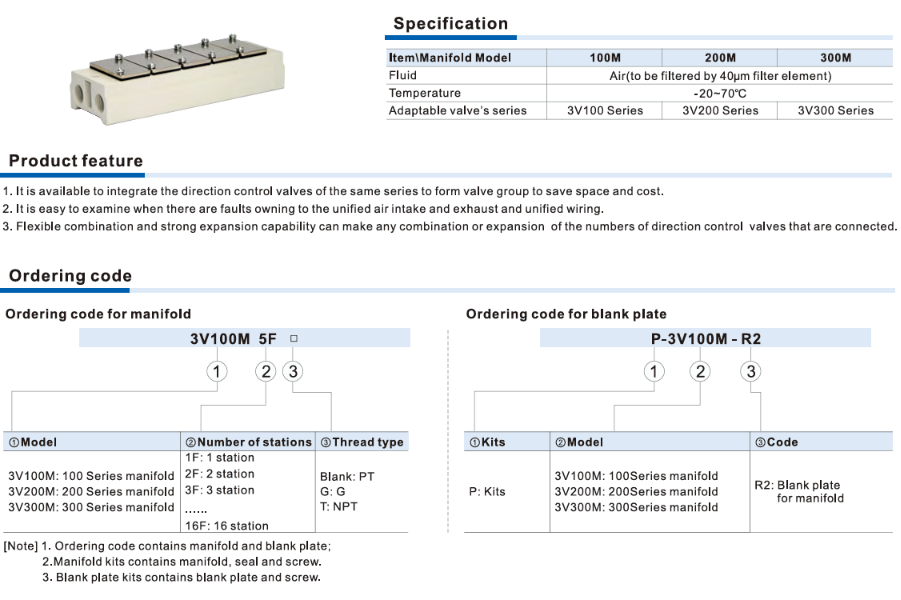
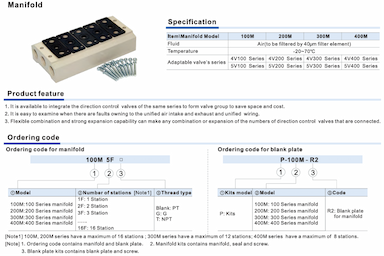
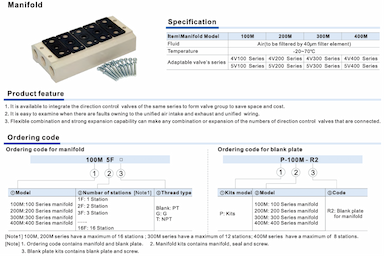
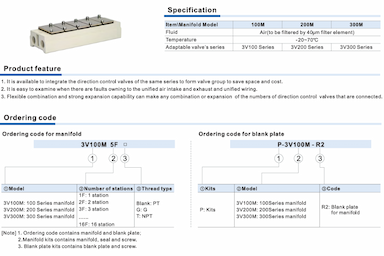
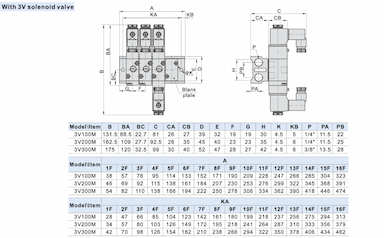
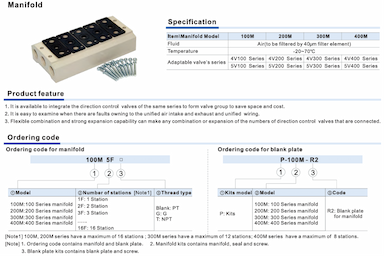
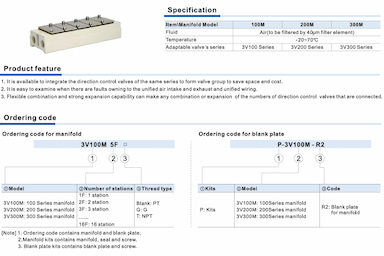
- When combining multiple valves, prefer AirTAC standard manifolds to reduce vibration and noise.
4. Check the Coil
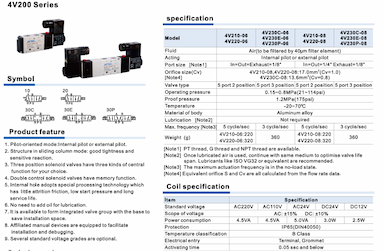
- Ensure correct supply voltage (AC/DC) for the valve.
- Replace coil if it is overheated, burned, or slow to respond.
- Verify electrical connections and ensure IP65 protection to prevent moisture ingress causing rattling.
5. Select the Right Valve for the System
- Determine the required Cv for the cylinder or actuator.
- Use appropriate AirTAC 4V Series or 3V Series valve matching the system pressure (0.15–0.8 MPa).
- Install manifold if necessary to combine multiple valves while maintaining stable operation.
Suggested Images for the Post
- Real product photo of the 4V Series valve mounted on a production line or manifold.
- If taking from catalog, crop only the “Exploded View” or “Sliding Column / Coil Section” to highlight the valve spool and coil – do not include the full catalog page.
- Ideal images should show coil, valve body, and port connections to guide maintenance and cleaning.
Maintenance Tips
- Do not operate valves beyond their rated pressure or flow.
- Clean valves regularly to avoid debris and dust accumulation.
- Inspect the coil before installation to ensure proper operation.
- For multiple valves, use AirTAC manifold to reduce vibration and noise.
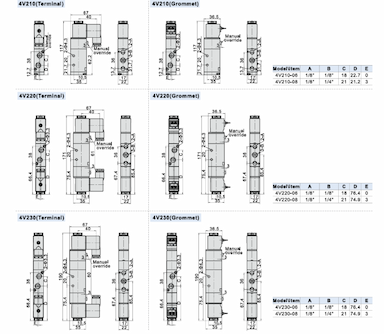
- Keep a record of the models installed (e.g., 4V100, 4V200, 4V300, 3V Series) to simplify maintenance.
Quick Checklist – Fixing Vibrating or Noisy Valves
- Check air pressure and flow rate – stabilize with AR/BR Series regulator.
- Clean spool, coil, and filter – remove debris.
- Inspect installation and mounting – manifold or sub-base.
- Check coil and electrical connections – replace if faulty.
- Confirm valve Cv and system pressure compatibility.
- Perform regular maintenance – prevent dust, leaks, and coil damage.
Real-Life Applications
AirTAC 4V Series or 3V Series valves are widely used in:
- Industrial automation systems
- Assembly and packaging lines
- Cylinder control for pneumatic actuators
- Robotic automation and CNC machines
Quick troubleshooting of valve vibration helps protect cylinders, reduce maintenance costs, and maintain production efficiency.
How to Select AirTAC Solenoid Valves from A-Z (With Technical Guidance)

AirTAC Pneumatic Combo Solution – Valve + Cylinder + Air Filter
Where to Buy Genuine AirTAC Pneumatic Valves – Trusted Suppliers
Latest AirTAC Solenoid Valve Price List – 2026 Update
AirTAC Solenoid Valve Accessories – Quick Connects, Silencers, and Sub-Bases
Top-Selling AirTAC 4V Series Solenoid Valve Models in 2026
AirTAC Solenoid Valve Catalog – Full Guide to Download and Use the PDF
Complete AirTAC Solenoid Valve Specification Table – Your Ultimate Guide
AirTAC Solenoid Valve Maintenance Checklist – Troubleshooting Guide
AirTAC Solenoid Valve Weak or Insufficient Flow – Causes and Solutions