


How to Select AirTAC Solenoid Valves from A-Z (With Technical Guidance)
Jul 08 2026Learn how to select AirTAC solenoid valves from A-Z with technical guidance. This comprehensive guide covers valve series, type, Cv, port size, coil voltage, and accessories for industrial pneumatic systems.
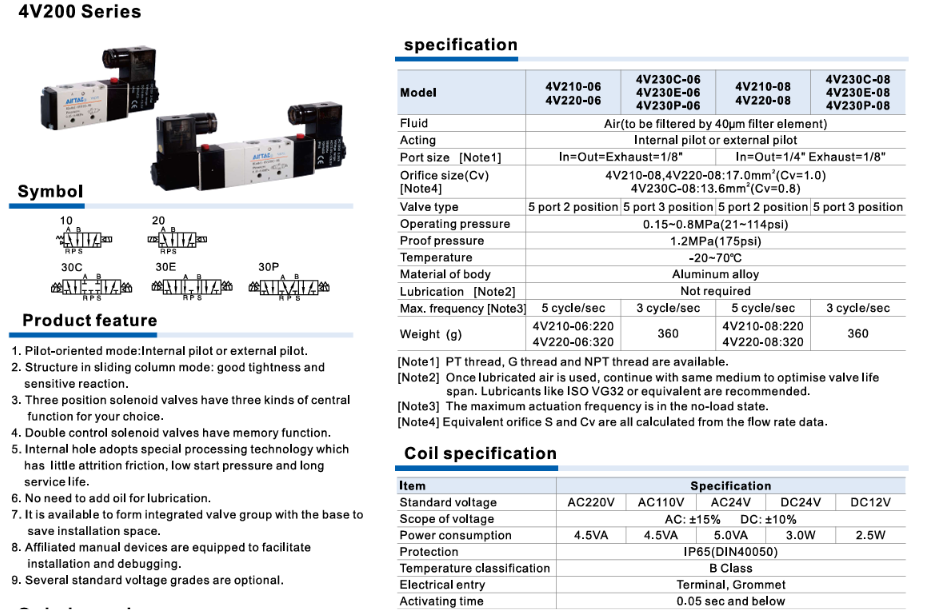
AirTAC solenoid valves are essential components in industrial pneumatic systems, responsible for controlling airflow, actuating cylinders, and driving automated mechanisms. Choosing the right solenoid valve ensures optimal performance, energy efficiency, and reliable operation.
This article provides a detailed step-by-step guide for selecting AirTAC solenoid valves from A-Z.
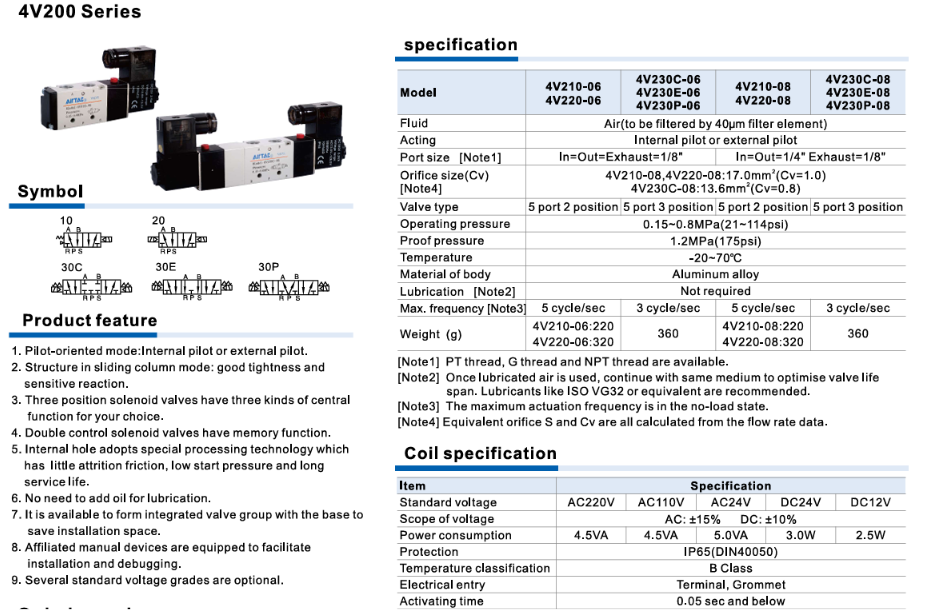
Why Selecting the Right AirTAC Solenoid Valve Matters
- Operational Performance: Properly selected valves ensure cylinders respond quickly, airflow remains stable, and pressure is accurately controlled.
- Durability and Lifespan: Choosing a valve according to working pressure, flow coefficient (Cv), and coil voltage extends the life of the equipment.
- Cost Optimization: Avoid oversizing or undersizing valves to reduce energy loss and minimize operating costs.
- Ease of Maintenance: Genuine AirTAC valves and accessories simplify maintenance, cleaning, and replacement.
Key Factors to Consider When Selecting a Solenoid Valve
1. Series and Model
- 4V Series: Versatile, manifold-ready, multiple model options.
- 3V Series: Suitable for medium-duty systems with compact space requirements.
- 3A Series and 4M NAMUR: Specialized applications requiring NAMUR compliance.
Selection depends on system requirements, cylinder size, and airflow demand.
2. Valve Type and Number of Ports
- 3/2 way: 3 ports, 2 positions – ideal for single-acting cylinders.
- 5/2 way: 5 ports, 2 positions – for double-acting cylinders.
- 5/3 way: 5 ports, 3 positions, with center closed, center open, or center supply.
Choose the valve type according to cylinder actuation and pressure control needs.
3. Port Size
- Common sizes: M5, 1/8”, 1/4”, 3/8”, 1/2”.
- Must match the tubing and required Cv for the system.
- Internal link: Link to “Port size: How to choose 1/8, 1/4, 3/8, or 1/2” for detailed explanation.
4. Flow Coefficient (Cv)
- Cv determines the maximum airflow a valve can handle.
- An undersized valve may cause low pressure and slow cylinder response.
- An oversized valve may waste air and increase costs.
5. Working and Maximum Pressure
- Ensure the valve matches the operating pressure of your system (typically 0.15–0.8 MPa).
- Check the maximum pressure rating (1.2–1.5 MPa) to prevent valve damage under overload conditions.
6. Coil Voltage and Protection Rating
- AC/DC options: AC220V, AC110V, AC24V, DC24V, DC12V.
- IP65 protection ensures dust and water resistance for reliable operation.
7. Operating Frequency
- Confirm maximum cycles per second to meet cylinder cycle requirements.
- 4V/3V Series typically supports 3–5 cycles/sec (no load).
Step-by-Step Guide to Selecting AirTAC Valves
Step 1 – Identify Series and Model
- Determine if your system requires 4V, 3V, 3A, or 4M NAMUR series.
- Check model against Cv, port size, working pressure, and coil voltage in the catalog.
Step 2 – Select Valve Type
- Choose between 3/2, 5/2, or 5/3 way valves.
- For 5/3 way, select center closed, open, or supply as required.
Step 3 – Check Flow Rate and Pressure
- Compare Cv with system requirements.
- Verify operating and maximum pressure ratings.
Step 4 – Choose Accessories and Manifold
- Check compatibility with AirTAC manifold, quick connectors, and silencers.
- Ensure all accessories match selected valve and cylinder.
Step 5 – Verify Coil Voltage and Frequency
- AC or DC should match power supply.
- Operating frequency must meet cylinder cycle rate.
Step 6 – Installation and Test Run
- Install valve, manifold, and cylinder according to pneumatic schematic.
- Test airflow, pressure, sealing, and cylinder response.
Notes When Selecting Valves
- Always reference the official AirTAC catalog to ensure accurate specifications.
- Record installed valve models: 4V100, 4V200, 4V300, 3V100, 3V200, 3V300.
- Compare Cv, port size, and pressure to select the correct valve for each cylinder and application.
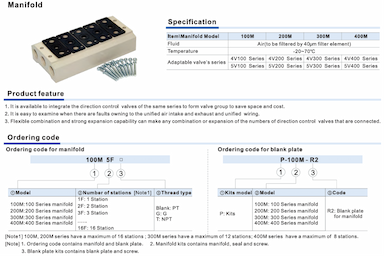
- Use AirTAC standard manifold when grouping multiple valves to reduce vibration and ensure sealing.
Quick Checklist for Selecting AirTAC Valves
- Identify series and model.
- Choose valve type (3/2, 5/2, 5/3).
- Check Cv, port size, and pressure.
- Verify coil voltage and operating frequency.
- Select compatible accessories and manifold.
- Install and perform test run, check airflow, cylinder response, and sealing.
Conclusion
Selecting the right AirTAC solenoid valve is a critical step to optimize performance, reduce costs, and ensure stable operation of pneumatic systems. By using official catalogs, checking technical specifications, and choosing genuine accessories, you can select the correct model, simplify maintenance, and ensure efficient system operation.
AirTAC Pneumatic Combo Solution – Valve + Cylinder + Air Filter

Where to Buy Genuine AirTAC Pneumatic Valves – Trusted Suppliers
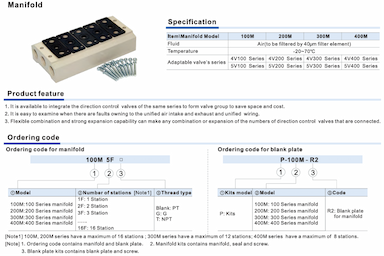
Latest AirTAC Solenoid Valve Price List – 2026 Update
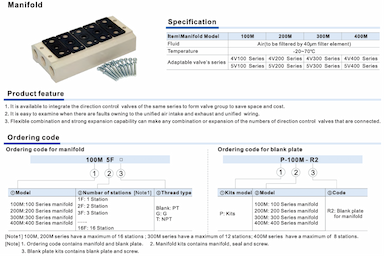
AirTAC Solenoid Valve Accessories – Quick Connects, Silencers, and Sub-Bases
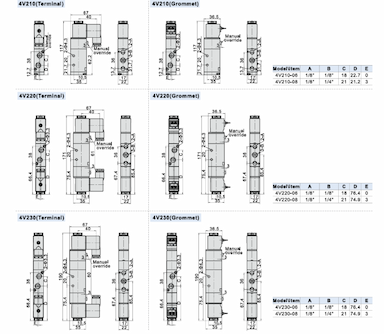
Top-Selling AirTAC 4V Series Solenoid Valve Models in 2026
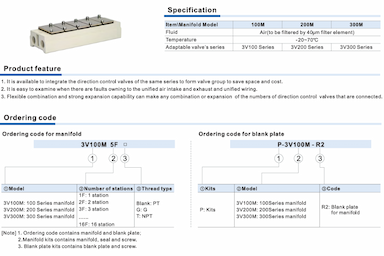
AirTAC Solenoid Valve Catalog – Full Guide to Download and Use the PDF
Complete AirTAC Solenoid Valve Specification Table – Your Ultimate Guide
AirTAC Solenoid Valve Maintenance Checklist – Troubleshooting Guide
Solenoid Valve Vibration and Noise – Quick Troubleshooting Guide for Pneumatic Systems
AirTAC Solenoid Valve Weak or Insufficient Flow – Causes and Solutions