

What is Cylinder Stroke? How Does It Affect Pneumatic Cylinders?
May 07 2026Cylinder stroke is the travel distance of the piston inside a pneumatic cylinder. This article explains how stroke affects movement, stability, and how to choose the correct stroke length for pneumatic systems.
What is Cylinder Stroke?
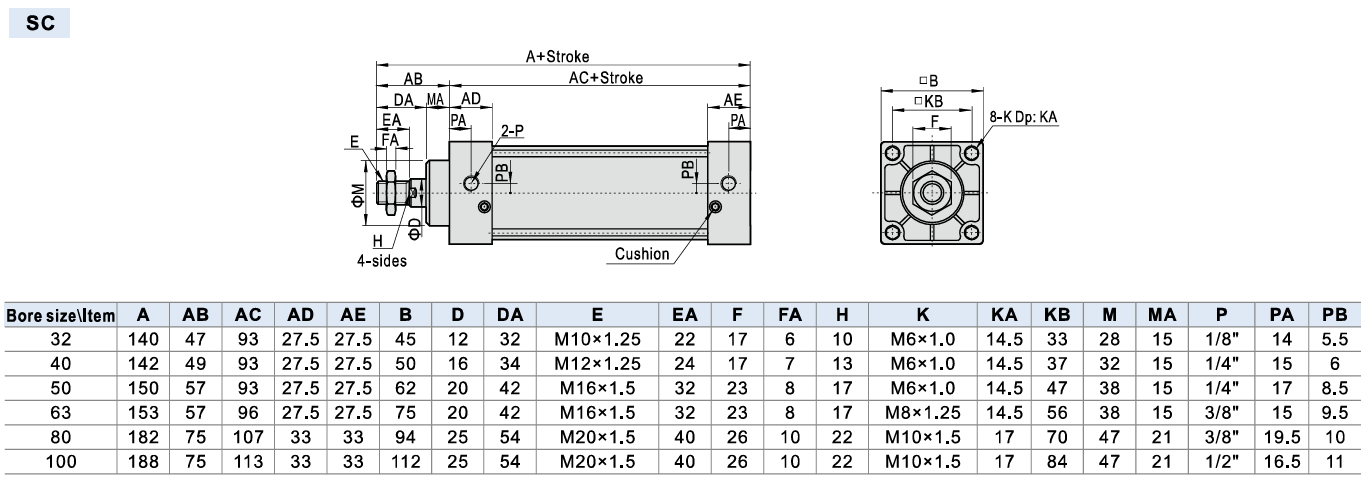
Cylinder stroke refers to the travel distance of the piston inside a pneumatic cylinder.
In simple terms:
- A longer stroke means the piston can move farther
- A shorter stroke means shorter movement
Examples:
- SC63x50 → 50mm stroke
- SC63x100 → 100mm stroke
- SC63x300 → 300mm stroke
👉 In this example:
- SC63 = 63mm bore
- 100 = 100mm stroke
How Does Stroke Affect a Pneumatic Cylinder?
Movement Distance
Stroke determines:
- How far the piston travels
- How far the mechanism pushes or pulls
Examples:
- 50mm stroke → short movement
- 500mm stroke → long movement
Overall Cylinder Size
The longer the stroke:
- The longer the cylinder body
- The more installation space required
👉 This is why installation space must always be considered before selecting a cylinder.
Operating Stability
Long-stroke cylinders:
- Are more likely to vibrate
- Can experience rod deflection
- Require stronger mounting support
👉 For long-stroke applications, many systems use:
- guided cylinders
- dual-rod cylinders
- Or additional linear guides
Standard Stroke Lengths in Pneumatic Cylinders
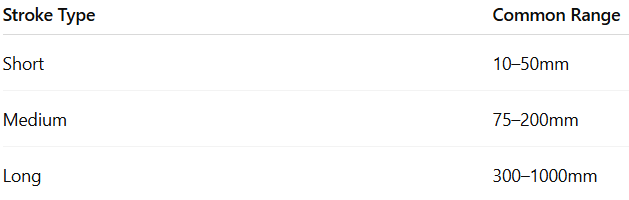
Depending on the cylinder type, common stroke lengths include:
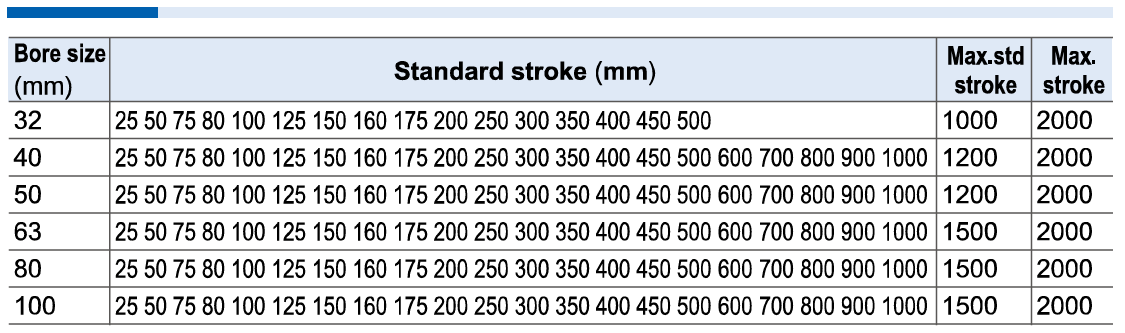
According to the AirTAC SC catalog, many cylinders support:
- 25mm
- 50mm
- 100mm
- 200mm
- 300mm
- 500mm
- 1000mm

How to Choose the Right Stroke Length
Choose Based on Required Travel Distance
Examples:
- Product pushing distance = 50mm → choose 50–75mm stroke
- Clamp opening distance = 200mm → choose 200mm stroke
👉 Avoid selecting a stroke exactly equal to the required movement.
Recommended:
- Add about 10–20% extra margin
Choose Based on Installation Space
Long-stroke cylinders:
- Require more installation space
- Are more difficult to install
👉 If space is limited:
- Use compact cylinders
- Or redesign the mechanism
Choose Based on Load
Long stroke + heavy load:
- Can cause rod bending
- Increases vibration risk
👉 Recommended solutions:
- Increase the cylinder bore
- Use guided cylinders
- Reduce stroke length if possible
Common Mistakes When Choosing Stroke Length
Stroke Too Short
- Insufficient movement
- Machine malfunction
Stroke Too Long
- Wasted installation space
- Increased vibration
- Higher cost
👉 This is one of the most common mistakes in pneumatic system design.
What’s the Difference Between Bore and Stroke?
Many people confuse:
- Bore
- Stroke
However:
- Bore = piston diameter
- Stroke = piston travel distance
👉 Bore affects force
👉 Stroke affects movement distance
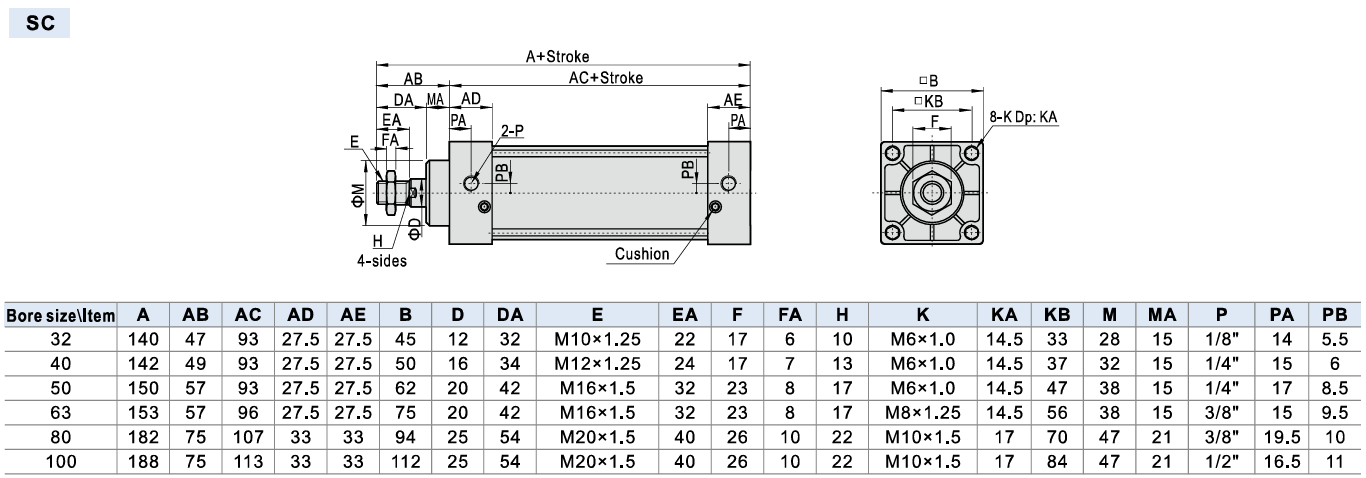
When Should You Use Long Stroke Cylinders?
Long-stroke cylinders are commonly used in:
- Long-distance pushing systems
- Conveyor systems
- Pick-and-place automation
- Large industrial automation systems
However:
- The longer the stroke, the higher the stability requirements
👉 Therefore, it is important to properly select:
- Cylinder bore
- Mounting method
- Guide structure
Conclusion
Stroke is one of the most important parameters when selecting a pneumatic cylinder. Choosing the correct stroke helps:
- Ensure stable operation
- Provide sufficient travel distance
- Reduce vibration
- Optimize installation space
👉 When selecting a cylinder, always consider:
- Actual movement distance
- Installation space
- Load conditions
- System stability
👉 If you are unsure which model to choose, you can explore various AirTAC pneumatic cylinders available in different bore and stroke configurations.
How to Select AirTAC Solenoid Valves from A-Z (With Technical Guidance)

AirTAC Pneumatic Combo Solution – Valve + Cylinder + Air Filter
Where to Buy Genuine AirTAC Pneumatic Valves – Trusted Suppliers
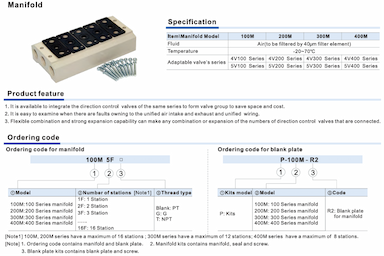
Latest AirTAC Solenoid Valve Price List – 2026 Update
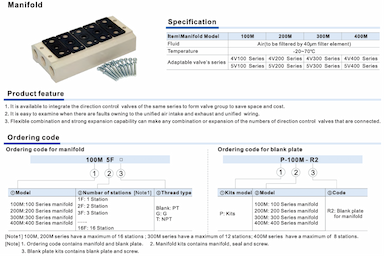
AirTAC Solenoid Valve Accessories – Quick Connects, Silencers, and Sub-Bases
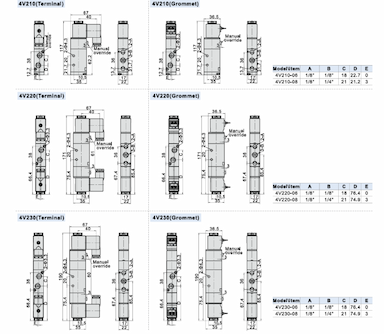
Top-Selling AirTAC 4V Series Solenoid Valve Models in 2026
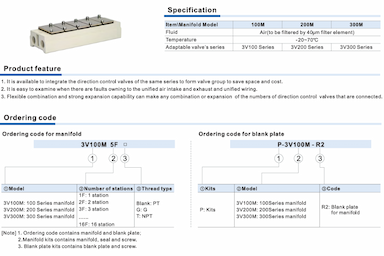
AirTAC Solenoid Valve Catalog – Full Guide to Download and Use the PDF
Complete AirTAC Solenoid Valve Specification Table – Your Ultimate Guide
AirTAC Solenoid Valve Maintenance Checklist – Troubleshooting Guide
Solenoid Valve Vibration and Noise – Quick Troubleshooting Guide for Pneumatic Systems