


AirTAC vs SMC – Which Pneumatic Brand Should You Choose?
May 22 2026AirTAC and SMC are both popular pneumatic brands with different strengths in price, stability, and industrial applications. This article helps you choose the right brand for your automation system.
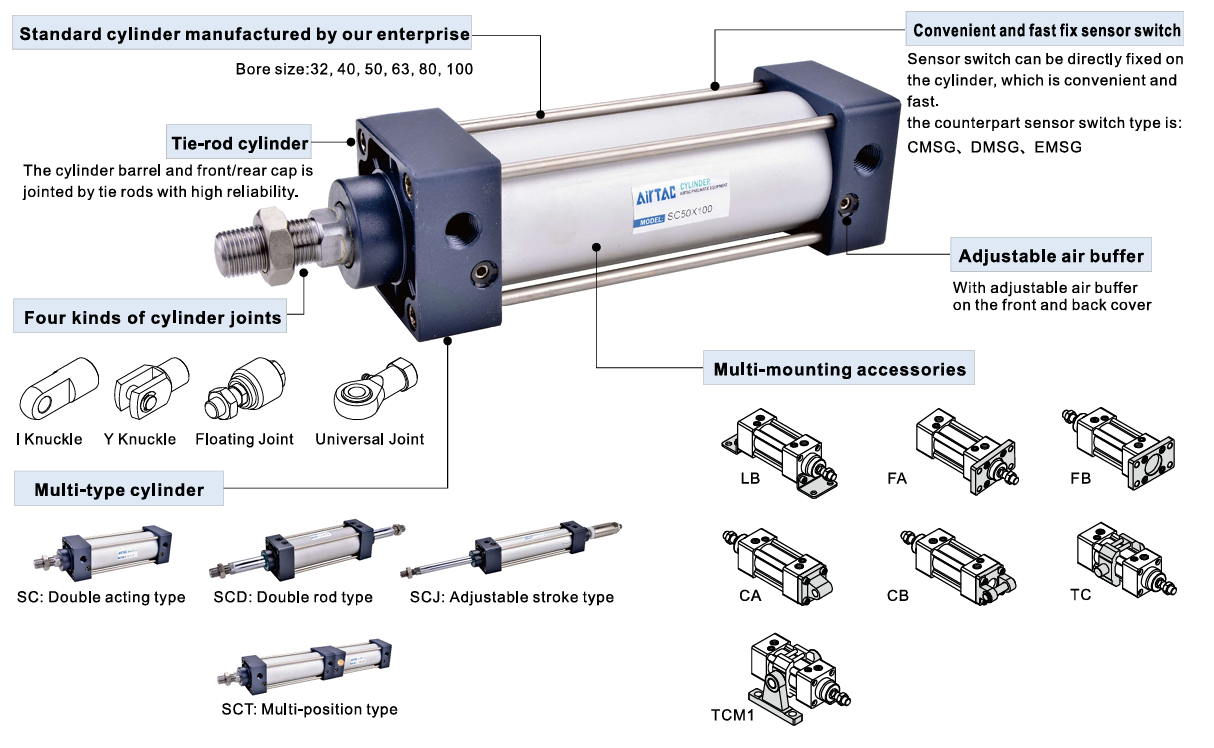
AirTAC and SMC Are Two Leading Pneumatic Brands
When selecting pneumatic cylinders, many users ask:
- Should I choose AirTAC or SMC?
- Which one is more durable?
- Which one offers better value?
👉 Both brands are extremely popular in the automation industry:
- AirTAC → known for affordability and wide availability
- SMC → known for high precision and Japanese quality
👉 However:
- There is no “perfect brand” for every application
- The best choice depends on your actual system requirements
What Kind of Brand Is AirTAC?
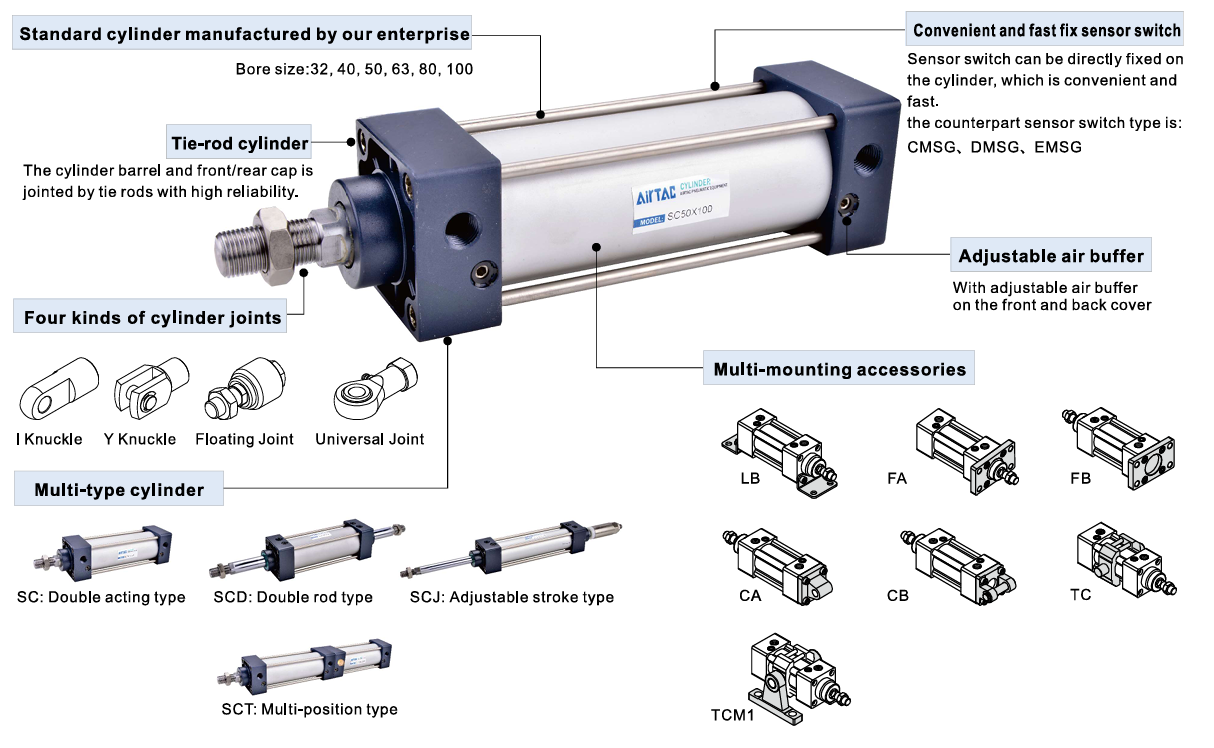
AirTAC is a well-known Taiwanese pneumatic brand.
Its strengths include:
- Competitive pricing
- Easy availability
- Wide product range
- Strong popularity in Asia
👉 AirTAC is especially strong in:
- SC cylinders
- Compact cylinders
- Solenoid valves
- FRL units
Advantages of AirTAC
Better Pricing
Compared to SMC:
- AirTAC products are usually significantly cheaper
👉 Ideal for:
- Standard automation systems
- OEM machines
- Cost-sensitive projects
Easy Replacement and Availability
In many Asian markets:
- AirTAC products are extremely common
👉 Spare parts and accessories are:
- Easy to find
- Widely stocked
Wide Product Range
AirTAC offers:
👉 Very suitable for:
- General automation
- Asian-manufactured machines
What Kind of Brand Is SMC?
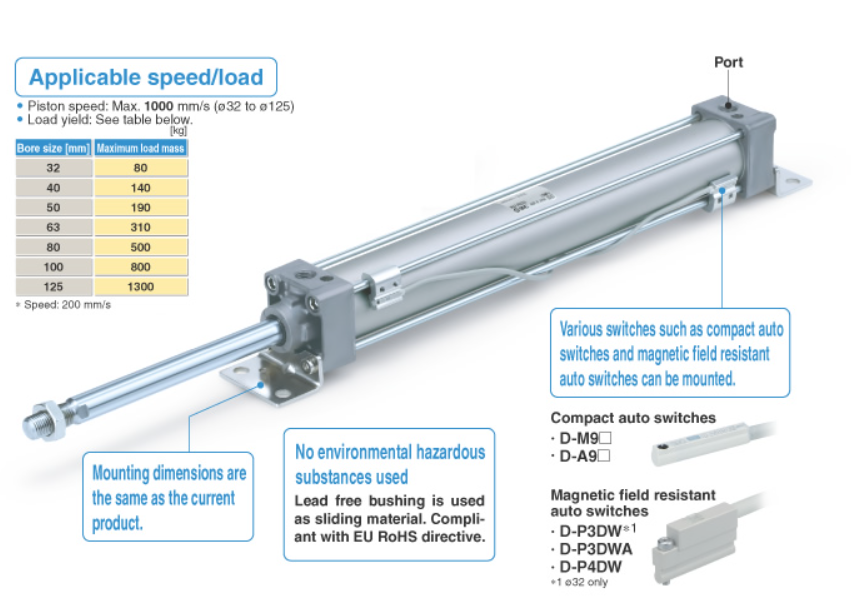
SMC is one of the world’s leading Japanese pneumatic manufacturers.
SMC is famous for:
- Excellent finishing quality
- High stability
- Premium industrial standards
👉 SMC products are widely used in:
- Japanese factories
- Semiconductor industries
- Electronics manufacturing
- High-end automation systems
Advantages of SMC
Extremely Stable Performance
SMC is known for:
- Smooth operation
- High precision
- Low failure rate
👉 Especially suitable for:
- High-speed automation
- Precision systems
Premium Manufacturing Quality
Compared with many standard pneumatic brands:
- SMC products have excellent machining and finishing quality
👉 This helps improve:
- Seal lifespan
- Operating stability
- Overall durability
Strong in High-End Automation
SMC is commonly used in:
- Semiconductor systems
- Electronics manufacturing
- Medical machines
- Precision automation
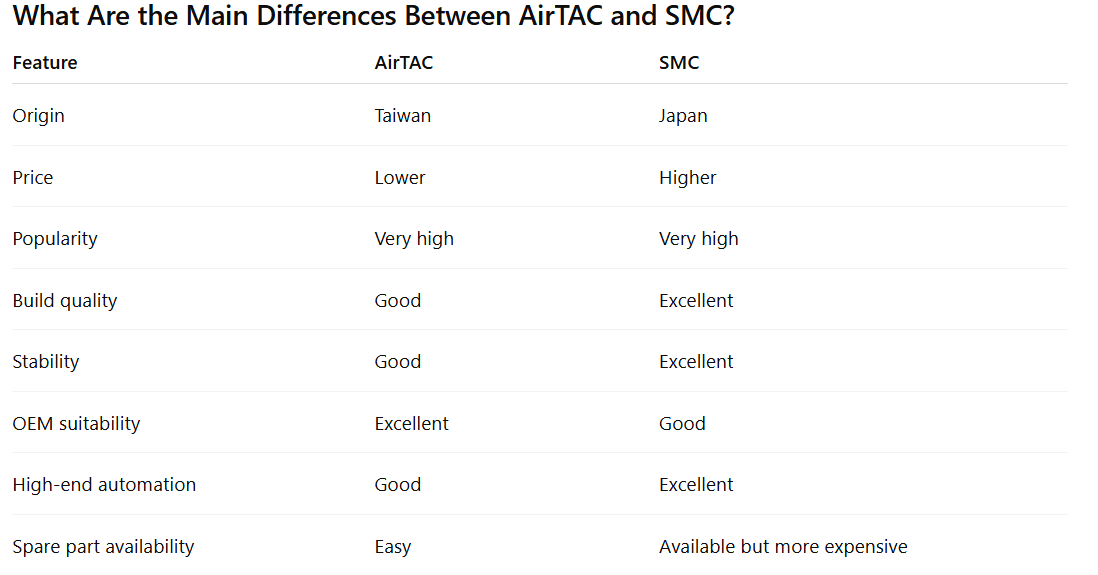
👉 AirTAC is stronger in:
- Cost performance
- Availability
- Easy replacement
👉 SMC is stronger in:
- Precision
- Stability
- Premium automation
When Should You Choose AirTAC?
You should choose AirTAC if:
✅ You want to reduce system cost
✅ Your machine is standard automation
✅ You build OEM equipment
✅ Easy maintenance is important
✅ Your application is general industrial automation
👉 AirTAC is one of the most common choices in Asian automation markets.
When Should You Choose SMC?
You should choose SMC if:
✅ High precision is required
✅ High-speed operation is important
✅ Japanese factory standards are required
✅ Semiconductor or electronics applications are involved
✅ Maximum stability is needed
👉 SMC performs especially well in:
- High-end automation
- Precision systems
Is AirTAC Worth Using?
👉 YES.
In reality:
- AirTAC is now widely used worldwide
- Product quality has improved significantly over the years
👉 For most automation systems:
- AirTAC performs very well
Especially considering:
- The price-to-performance ratio is excellent
Should You Replace Everything With SMC?
👉 Not necessarily.
If your system:
- Does not require ultra-high precision
- Does not operate at extremely high speeds
→ AirTAC is usually more than sufficient.
👉 The most important thing is:
- Choosing the correct model
- Choosing the correct bore
- Matching the application requirements
Conclusion
Both AirTAC and SMC are excellent pneumatic brands.
👉 However:
- AirTAC is better for cost-effective and general automation systems
- SMC is better for high-end precision automation
👉 There is no single “best” choice.
The right choice depends on:
- Your application
- Your budget
- Your performance requirements
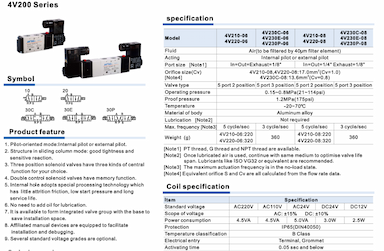
How to Select AirTAC Solenoid Valves from A-Z (With Technical Guidance)

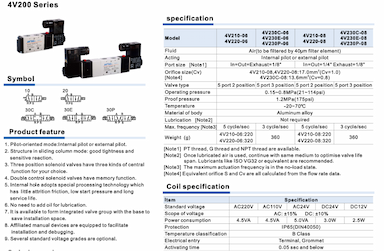
AirTAC Pneumatic Combo Solution – Valve + Cylinder + Air Filter
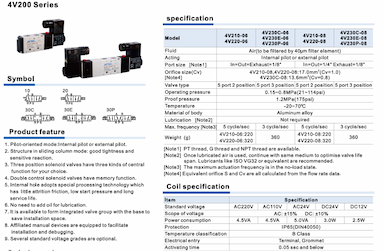
Where to Buy Genuine AirTAC Pneumatic Valves – Trusted Suppliers
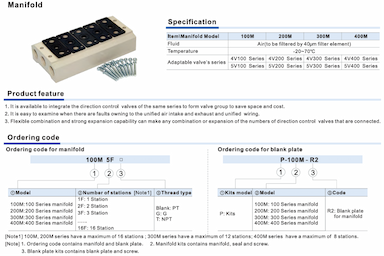
Latest AirTAC Solenoid Valve Price List – 2026 Update
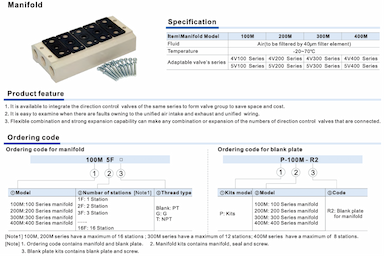
AirTAC Solenoid Valve Accessories – Quick Connects, Silencers, and Sub-Bases
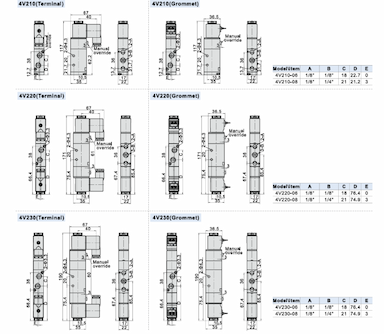
Top-Selling AirTAC 4V Series Solenoid Valve Models in 2026
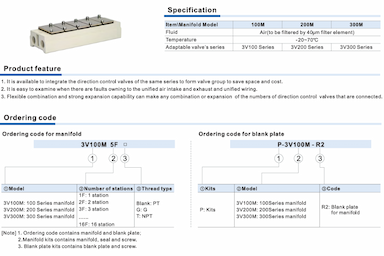
AirTAC Solenoid Valve Catalog – Full Guide to Download and Use the PDF
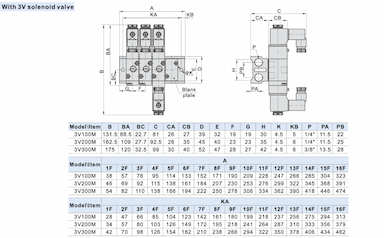
Complete AirTAC Solenoid Valve Specification Table – Your Ultimate Guide
AirTAC Solenoid Valve Maintenance Checklist – Troubleshooting Guide
Solenoid Valve Vibration and Noise – Quick Troubleshooting Guide for Pneumatic Systems