


Pneumatic Cylinder Vibration – Causes and Effective Solutions
May 23 2026Pneumatic cylinder vibration is a common problem in automation systems. This article explains causes such as side load, incorrect flow control adjustment, and oversized bore selection, along with effective solutions.
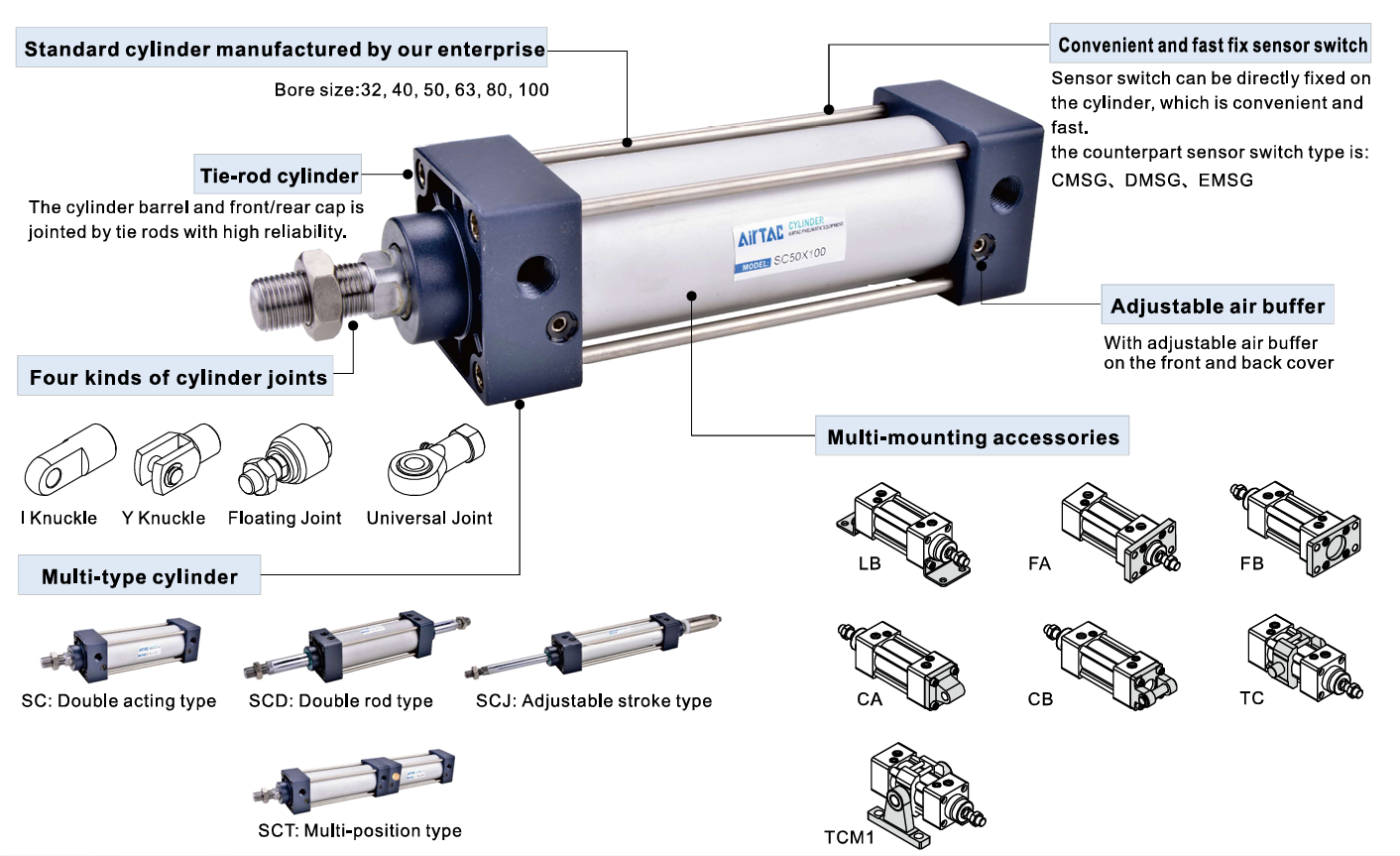
Why Does a Pneumatic Cylinder Vibrate or Shake?
Pneumatic cylinder vibration is a very common problem in:
- Automation machines
- Pneumatic systems
- Pneumatic jigs
- Conveyor automation systems
Common symptoms include:
- Jerky cylinder movement
- Unstable motion
- Strong vibration during operation
- Hard impact at the end of stroke
- Inconsistent speed and force
👉 If not solved early:
- Seals wear out faster
- Piston rods may bend
- Machine accuracy decreases
- Overall system lifespan becomes shorter
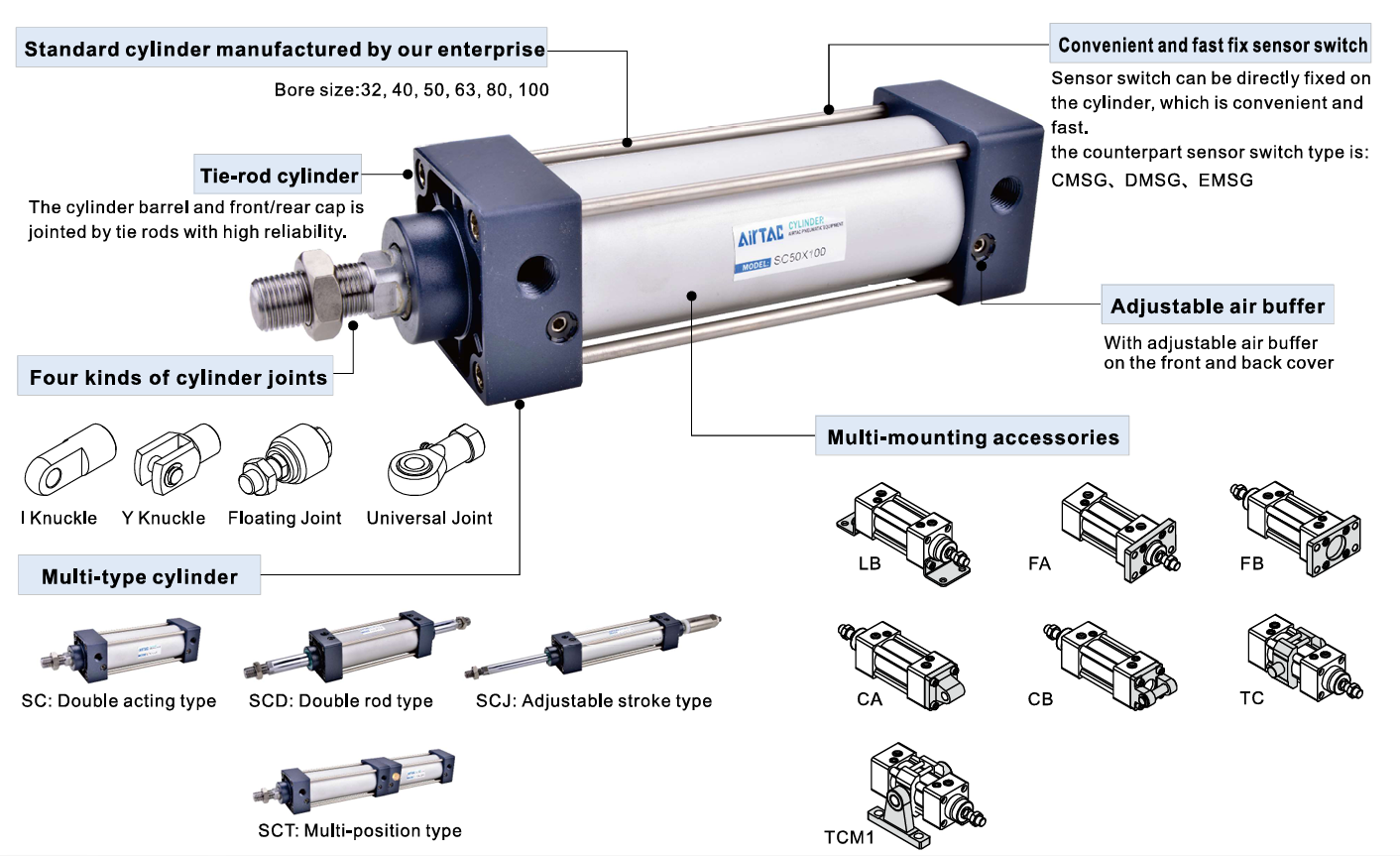
Cause #1: Incorrect Flow Control Adjustment
This is the most common cause of cylinder vibration.
Many systems:
- Open the flow control valve too much
- Or tighten it too aggressively
👉 Result:
- Jerky movement
- Unstable cylinder speed
Why Does Flow Control Affect Smoothness?
Flow control valves help:
- Regulate airflow
- Control piston speed
If adjusted incorrectly:
- Air pressure fluctuates continuously
- The cylinder starts vibrating or shaking
Solutions
✅ Adjust flow control gradually
✅ Reduce end-of-stroke speed
✅ Avoid opening the valve fully immediately
Cause #2: Cylinder Bore Is Too Large for the Load
Many people believe:
- Bigger bore is always better
👉 In reality:
- Oversized cylinders often cause severe vibration
Why Do Large Bore Cylinders Vibrate More?
Larger bore:
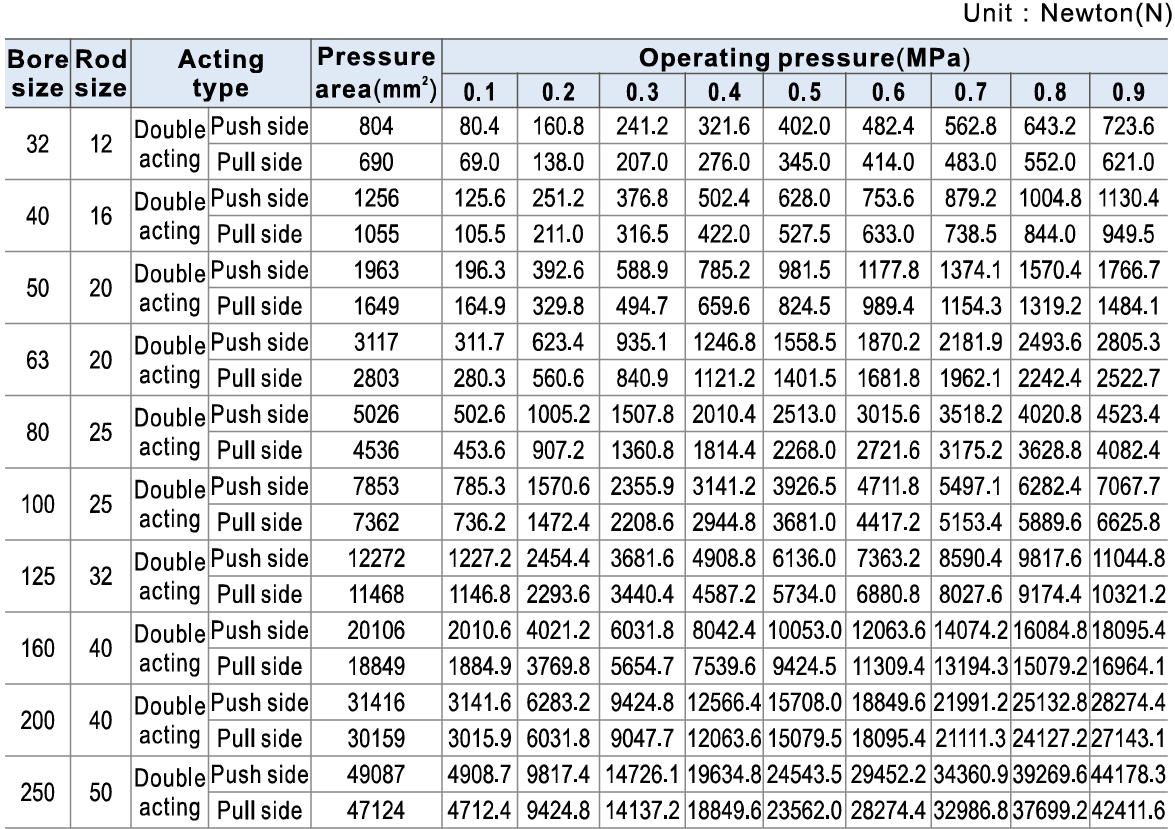
- Produces stronger force
- Creates higher acceleration
👉 If the load is light:
- The cylinder accelerates too quickly
- Causing impact and vibration
F=P×AF = P \times AF=P×A
👉 Larger bore:
- Larger piston area
- Greater force
Cause #3: Off-Center Load or Side Load
If the load:
- Is not centered properly
- Creates side force
👉 The cylinder may:
- Vibrate heavily
- Move unevenly
- Wear the piston rod quickly
Common Signs of Side Load
- Piston rod vibration
- Misaligned movement
- Unusual noise
- Rapid seal wear
Solutions
✅ Use guided cylinders
✅ Use dual rod cylinders
✅ Reduce side load
Cause #4: Stroke Length Is Too Long
If the stroke:
- Is excessively long
- Has no guiding support
👉 The piston rod may:
- Vibrate
- Bend
- Move sideways
→ The cylinder becomes unstable.
Solutions
✅ Reduce stroke length if possible
✅ Use guide rods
✅ Improve mounting rigidity
Cause #5: Unstable Air Pressure
If compressed air:
- Fluctuates constantly
- Drops under load
👉 The cylinder may:
- Move unevenly
- Vibrate during operation
Common Causes of Pressure Fluctuation
Weak Air Compressor
If the compressor:
- Has insufficient capacity
- Supplies too many machines simultaneously
→ Pressure drops continuously.
Air Tubing Is Too Small
Small tubing:
- Restricts airflow
- Causes pressure drop under load
Clogged FRL Unit
Dirty filters:
- Reduce airflow significantly
👉 The cylinder becomes unstable.
Cause #6: Incorrect Installation Alignment
If the cylinder:
- Is mounted off-center
- Is not aligned with the load direction
👉 The piston rod experiences:
- Side force
- Increased friction
- Jerky movement
Solutions
✅ Align the cylinder properly
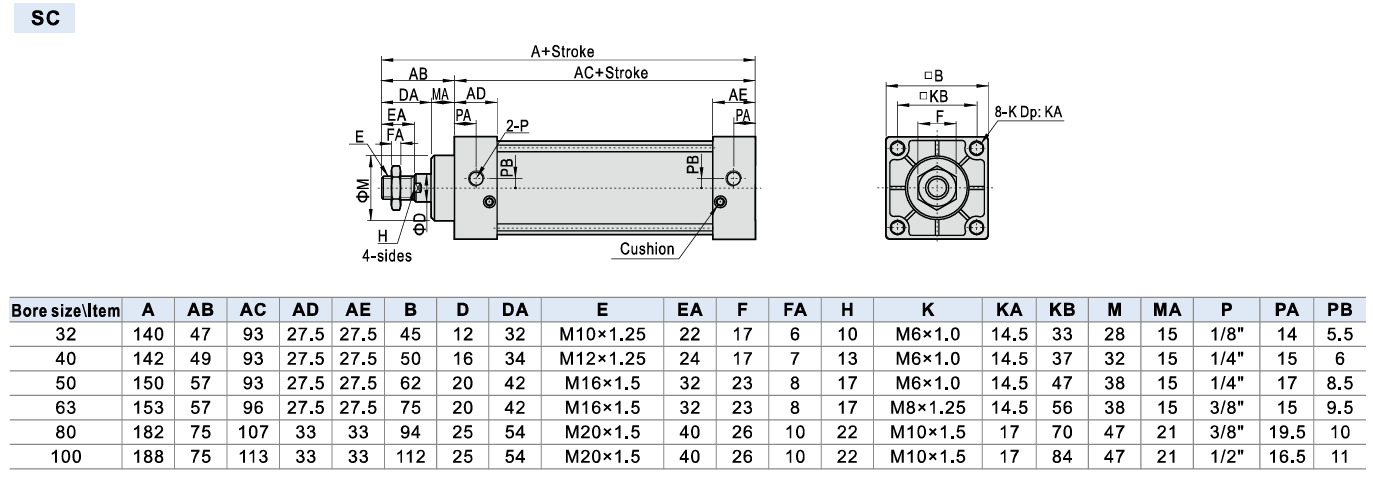
✅ Use suitable joints and mounting accessories
✅ Reduce side load
When Should Shock Absorption Be Used?
If the system has:
- High speed
- Heavy load
- Long stroke
👉 You should use:
- Cushion systems
- Shock absorbers
- Flow control valves
to reduce vibration and impact.
Pneumatic Cylinder Vibration Troubleshooting Checklist
✅ Check flow control settings
✅ Check whether bore size is oversized
✅ Check side load conditions
✅ Check installation alignment
✅ Check air pressure stability
✅ Check FRL condition
✅ Check whether stroke is too long
👉 This checklist is extremely useful for machine operators.
Conclusion
Pneumatic cylinder vibration is usually caused by:
- Incorrect speed adjustment
- Oversized bore
- Side load
- Excessively long stroke
- Unstable air pressure
- Improper alignment
👉 In most cases:
- The problem is NOT the cylinder itself
- The issue comes from system design or installation
👉 For stable cylinder operation:
- Select the correct bore
- Adjust flow control properly
- Use guided cylinders when necessary
How to Select AirTAC Solenoid Valves from A-Z (With Technical Guidance)

AirTAC Pneumatic Combo Solution – Valve + Cylinder + Air Filter
Where to Buy Genuine AirTAC Pneumatic Valves – Trusted Suppliers
Latest AirTAC Solenoid Valve Price List – 2026 Update
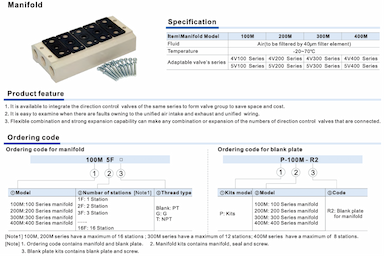
AirTAC Solenoid Valve Accessories – Quick Connects, Silencers, and Sub-Bases
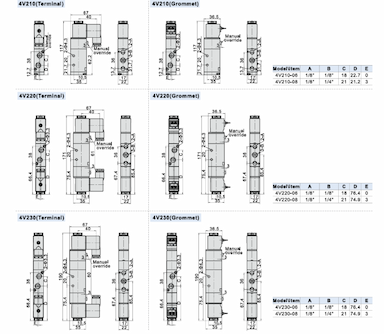
Top-Selling AirTAC 4V Series Solenoid Valve Models in 2026
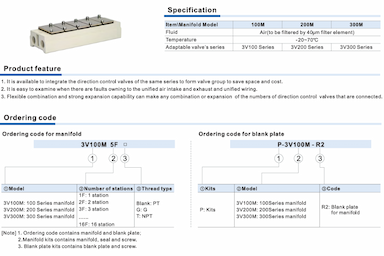
AirTAC Solenoid Valve Catalog – Full Guide to Download and Use the PDF
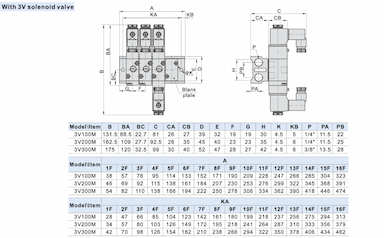
Complete AirTAC Solenoid Valve Specification Table – Your Ultimate Guide
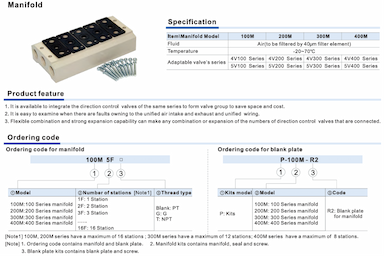
AirTAC Solenoid Valve Maintenance Checklist – Troubleshooting Guide
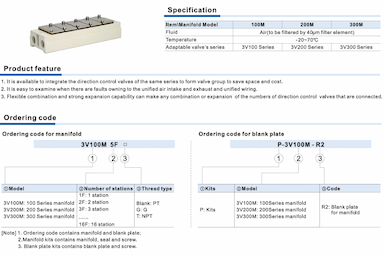
Solenoid Valve Vibration and Noise – Quick Troubleshooting Guide for Pneumatic Systems