


How Do 5/2 and 3/2 Solenoid Valves Work? Understanding Their Operating Principles
Jun 09 2026Learn how 5/2 and 3/2 solenoid valves work, their differences, applications, and how to choose the right valve for pneumatic systems.
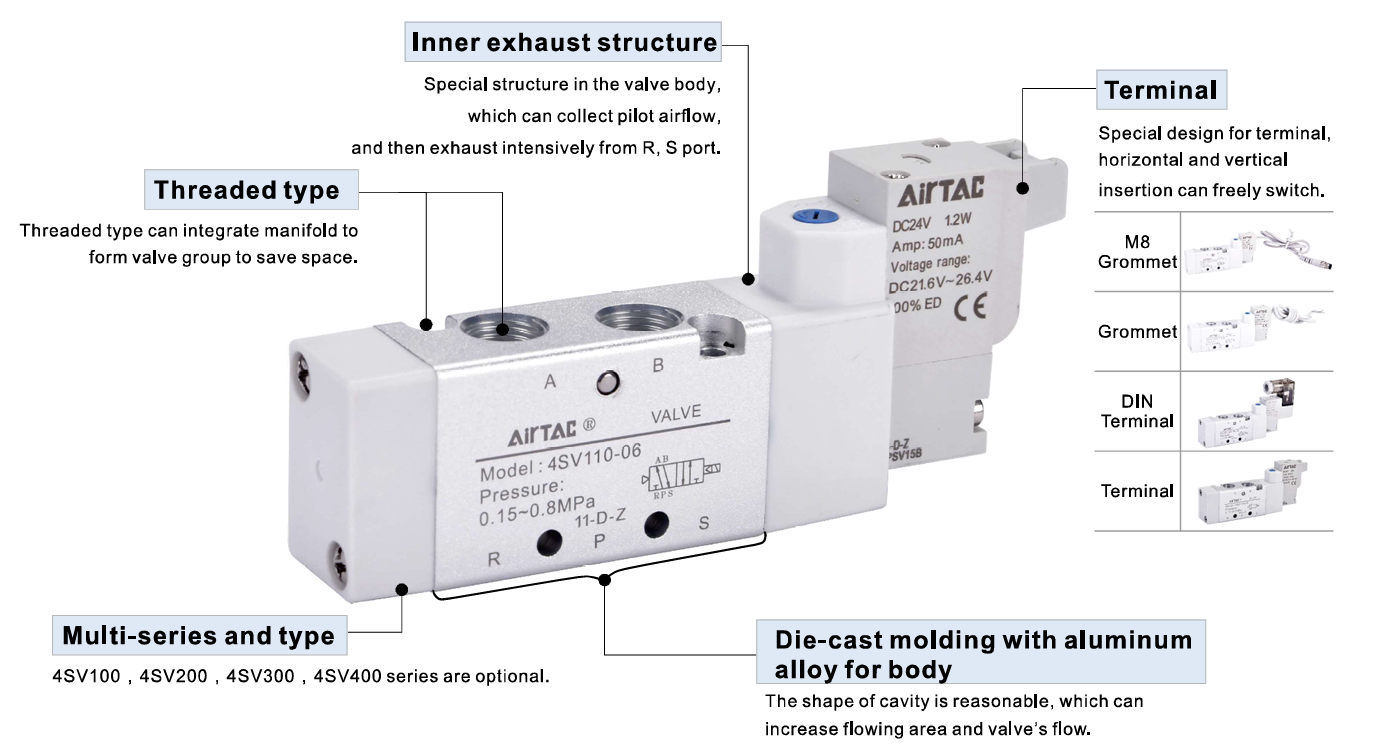
5/2 and 3/2 solenoid valves are among the most commonly used directional control valves in pneumatic systems. Although both types operate using electromagnetic force, they differ significantly in terms of port configuration, functionality, and applications. Understanding how these valves work is essential for selecting the right solution for your automation system.
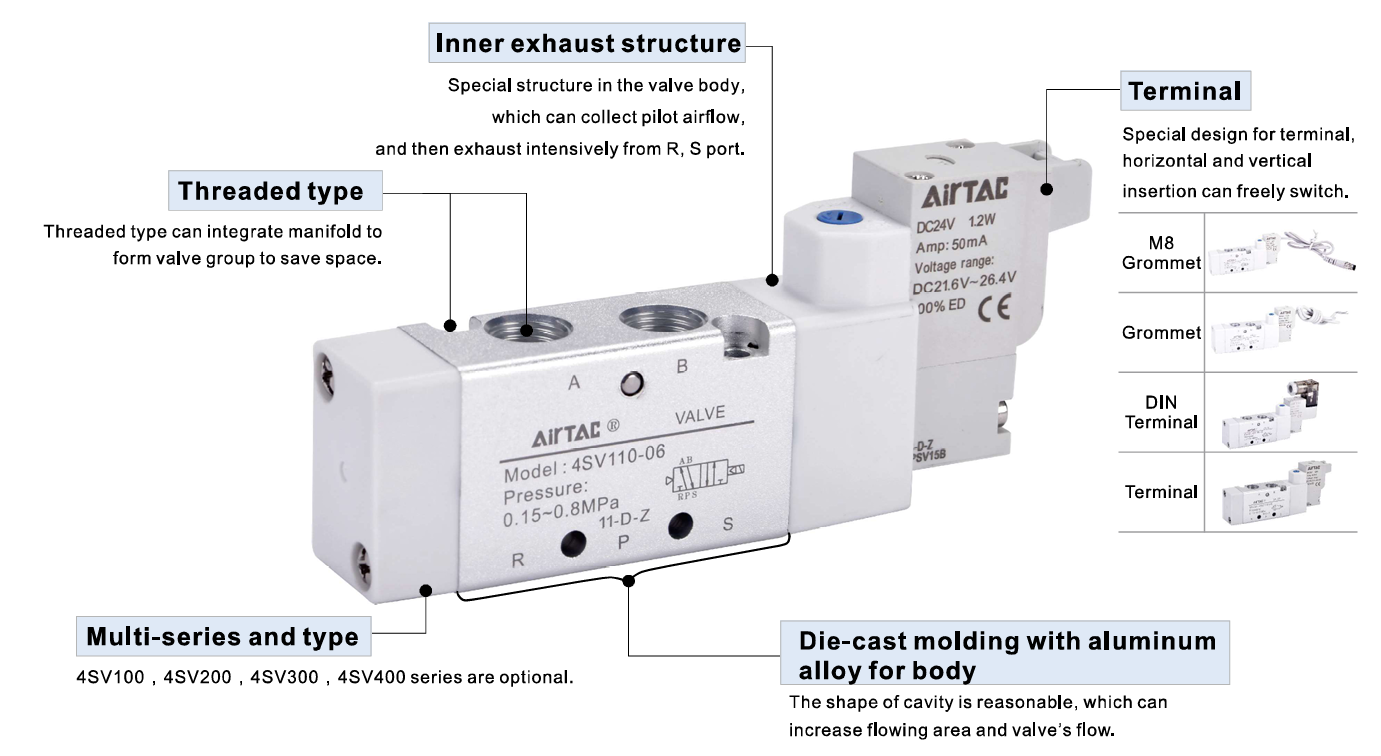
What Is a 3/2 Solenoid Valve?
A 3/2 solenoid valve is a directional control valve with three ports and two operating positions.
The three ports include:
- P: Pressure supply port
- A: Working port
- R: Exhaust port
3/2 solenoid valves are commonly used in applications such as:
- Single-acting cylinders
- Air blow guns
- Vacuum systems
- Pneumatic devices requiring one-way movement
If you are new to pneumatic systems and want to understand the basic functions and applications of solenoid valves, you may find our article "What Is a Solenoid Valve? Applications in Industrial Automation" helpful.
How Does a 3/2 Solenoid Valve Work?
De-energized Position
When electrical power is not supplied to the coil, the return spring keeps the valve in its default position.
In this state:
- Port P is blocked.
- Port A is connected to port R.
- The actuator exhausts compressed air to the atmosphere.
Energized Position
When power is applied:
- The coil generates a magnetic field.
- The valve spool shifts.
- Compressed air flows from port P to port A.
- The actuator begins operating.
Once the electrical signal is removed, the spring returns the valve to its original position.
What Is a 5/2 Solenoid Valve?
A 5/2 solenoid valve features five ports and two operating positions, making it ideal for controlling double-acting pneumatic cylinders.
The five ports include:
- P: Pressure supply port
- A: Working port 1
- B: Working port 2
- R: Exhaust port 1
- S: Exhaust port 2
These valves are widely used in industrial automation systems due to their reliability and versatility.
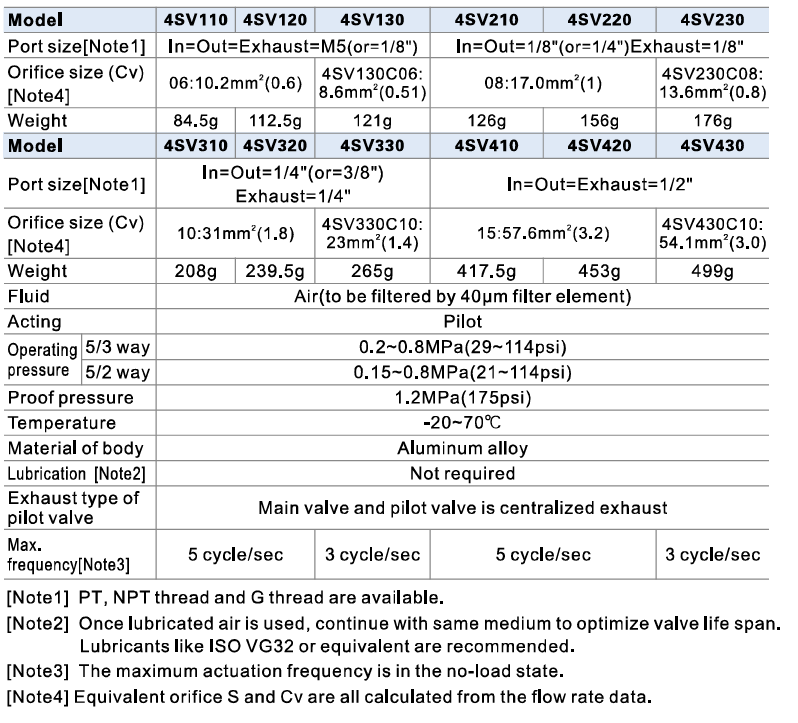
If you are looking for genuine AirTAC solenoid valves for your pneumatic applications, Jade M-Tech offers a comprehensive range of products suitable for various industries.
How Does a 5/2 Solenoid Valve Work?
First Position
Compressed air flows from port P to port A.
Air from the opposite side of the cylinder is exhausted through port S.
As a result, the cylinder extends.
Second Position
When the valve changes state:
- Compressed air flows from port P to port B.
- Air from port A is exhausted through port R.
- The cylinder retracts.
This alternating airflow enables precise control of double-acting cylinders in automated systems.
Which Solenoid Valve Should You Choose?
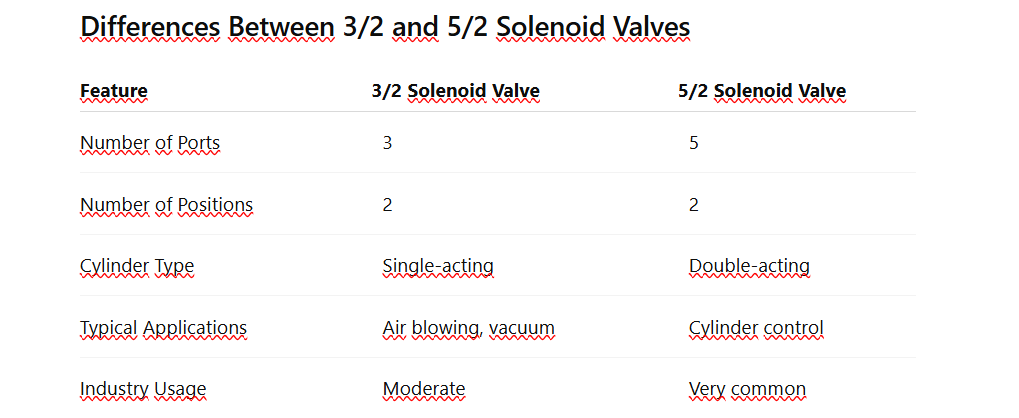
A 3/2 solenoid valve is suitable for applications that require only one direction of movement or utilize single-acting cylinders.
On the other hand, 5/2 solenoid valves are the preferred choice for systems using double-acting cylinders that require extension and retraction functions.
Another important factor to consider is airflow capacity. Choosing a valve with insufficient flow can negatively impact system performance.
Popular AirTAC Solenoid Valve Models
Some of the most widely used AirTAC solenoid valve models include:
- 4V210-08
- 4V220-08
- 4V310-10
- 4V320-10
- 7V210-08
Conclusion
Both 3/2 and 5/2 solenoid valves play essential roles in pneumatic systems. Understanding their operating principles, applications, and differences can help engineers and maintenance personnel select the most suitable valve for their specific requirements.
For professional advice and genuine AirTAC pneumatic components, contact Jade M-Tech for expert technical support and product recommendations.
How to Select AirTAC Solenoid Valves from A-Z (With Technical Guidance)

AirTAC Pneumatic Combo Solution – Valve + Cylinder + Air Filter
Where to Buy Genuine AirTAC Pneumatic Valves – Trusted Suppliers
Latest AirTAC Solenoid Valve Price List – 2026 Update
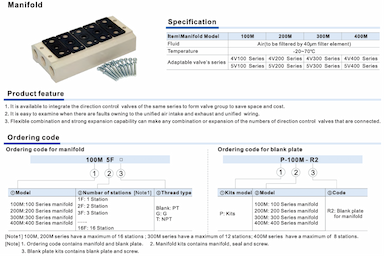
AirTAC Solenoid Valve Accessories – Quick Connects, Silencers, and Sub-Bases
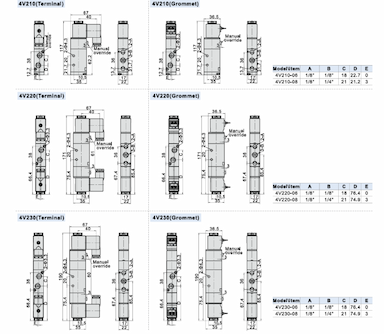
Top-Selling AirTAC 4V Series Solenoid Valve Models in 2026
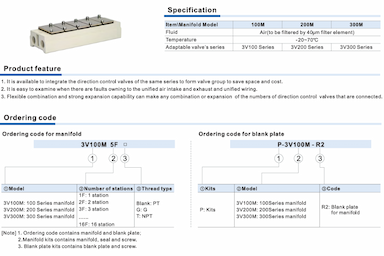
AirTAC Solenoid Valve Catalog – Full Guide to Download and Use the PDF
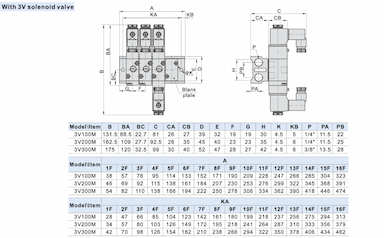
Complete AirTAC Solenoid Valve Specification Table – Your Ultimate Guide
AirTAC Solenoid Valve Maintenance Checklist – Troubleshooting Guide
Solenoid Valve Vibration and Noise – Quick Troubleshooting Guide for Pneumatic Systems