


What Is a Solenoid Valve? Applications of Solenoid Valves in Industrial Automation
Jun 09 2026A pneumatic solenoid valve is a key component in automation systems, controlling compressed air flow using electrical signals. Learn about its structure, working principle, and common applications in modern industrial manufacturing.
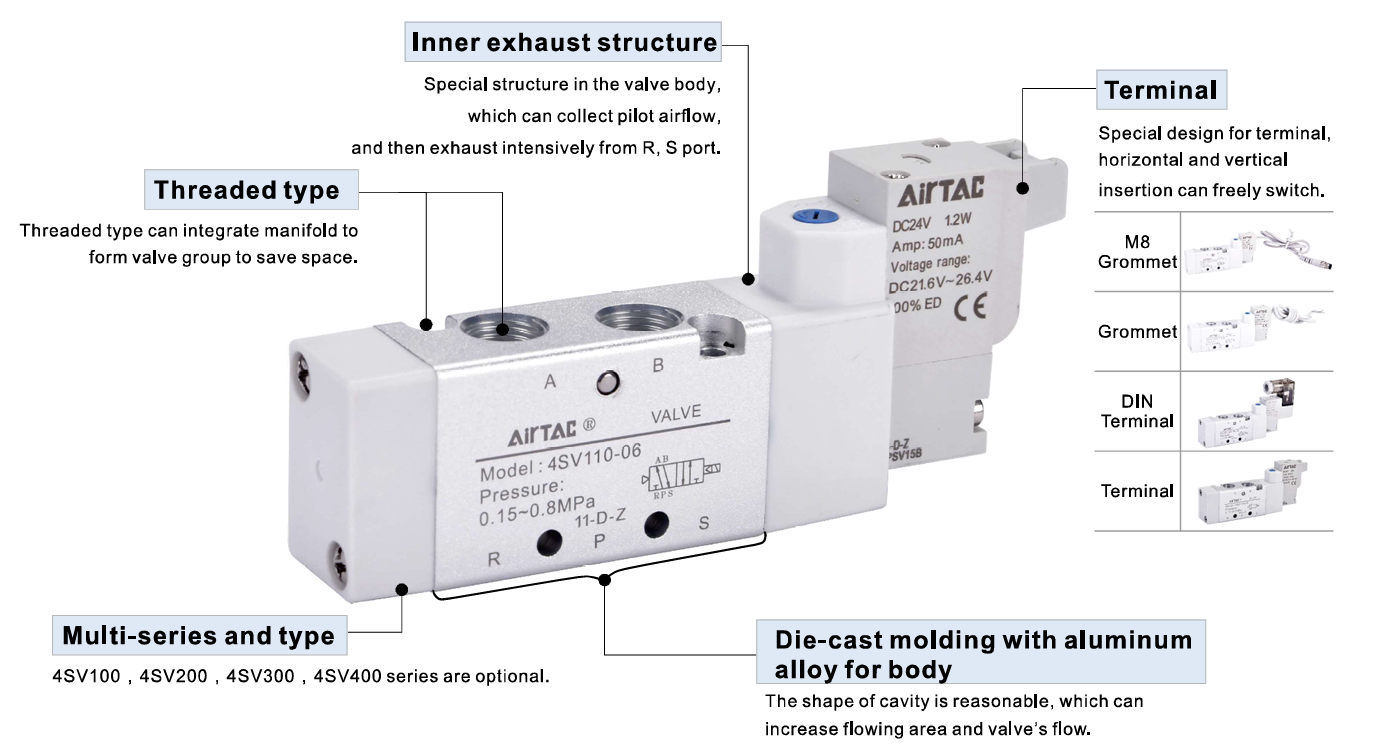
A pneumatic solenoid valve is a device that uses electrical signals to control the direction of compressed air flow in automation systems. It is one of the most important components in pneumatic systems, helping control cylinders, grippers, sorting mechanisms, and various automated processes in manufacturing lines.
What Is a Solenoid Valve?
A solenoid valve is an electromechanical valve that uses an electromagnetic coil to move an internal spool or plunger, allowing it to open, close, or redirect the flow of compressed air.
When electrical power is supplied to the coil, a magnetic field is generated, causing the internal mechanism to shift positions. When the power is removed, a spring returns the valve to its original state.
Due to their fast response time and easy integration with PLC control systems, solenoid valves are widely used in industrial automation.
Basic Structure of a Pneumatic Solenoid Valve
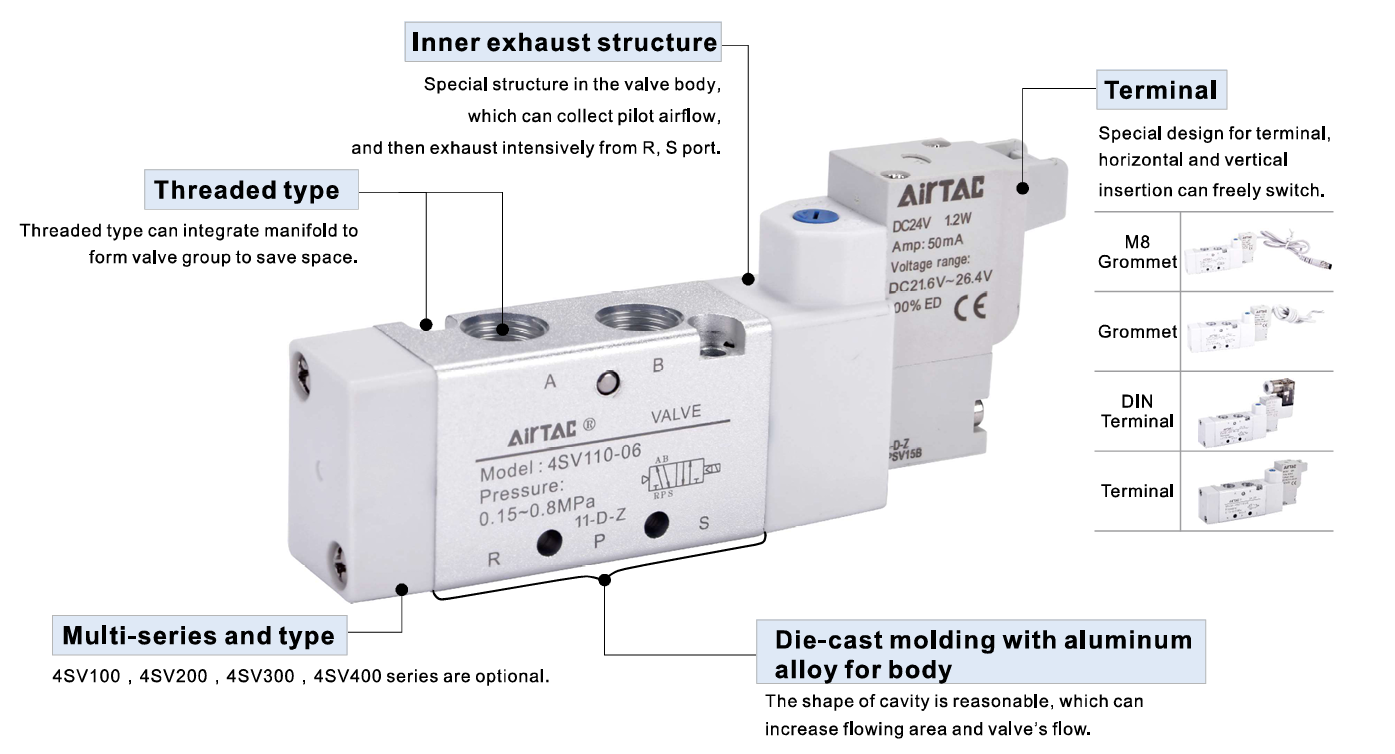
A typical pneumatic solenoid valve consists of the following components:
Valve Body
Usually made of aluminum alloy, the valve body contains internal air passages that direct compressed air to different ports.
Solenoid Coil
The coil generates a magnetic field when energized. Common voltage options include 24VDC, 110VAC, and 220VAC.
Valve Spool
The spool shifts inside the valve body to change the airflow path based on the electrical signal received.
Return Spring
The spring returns the valve to its default position when power is removed.
How Does a Solenoid Valve Work?
The operating principle of a solenoid valve is relatively simple:
- A PLC or push button sends an electrical signal.
- The solenoid coil generates a magnetic field.
- The spool shifts to a new position.
- Compressed air is redirected to the actuator.
- Once power is removed, the spring returns the valve to its original state.
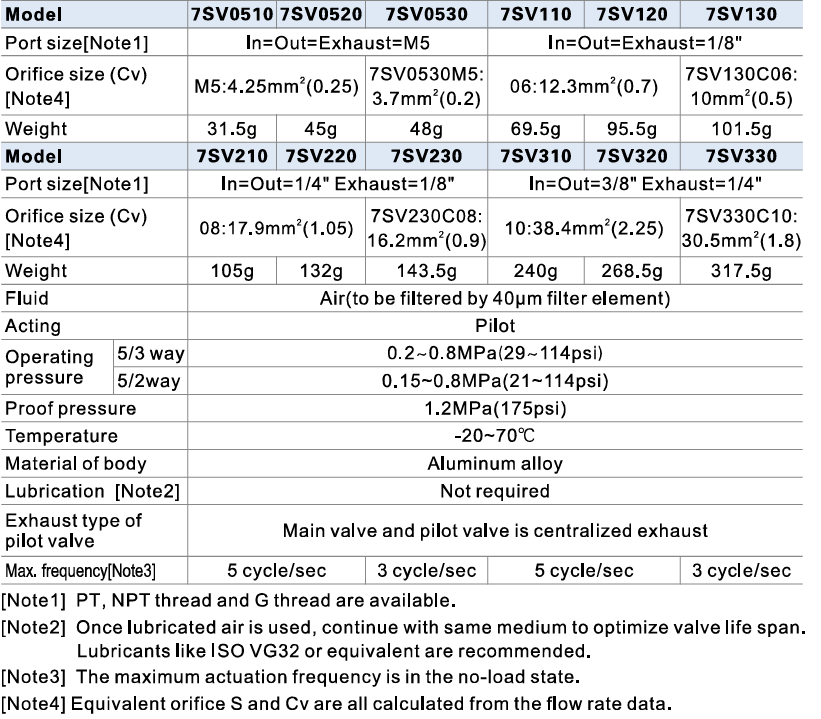
Depending on the application requirements, solenoid valves are available in 3/2, 5/2, and 5/3 configurations.
Applications of Solenoid Valves in Automation
Solenoid valves are used in a wide range of industrial automation systems.
Pneumatic Cylinder Control
One of the most common applications is controlling pneumatic cylinders used for:
- Pushing products
- Clamping workpieces
- Sorting items
- Positioning components
Packaging Machines
Solenoid valves help operate sealing, cutting, and feeding mechanisms in automated packaging equipment.
Assembly Lines
In electronics and manufacturing plants, solenoid valves control pneumatic grippers and pick-and-place systems.
Food and Beverage Industry
They are used in filling, capping, and product handling systems.
Robotics and Automated Equipment
Many robotic systems rely on pneumatic solenoid valves to control actuators and end effectors.
Common Types of Solenoid Valves
3/2 Solenoid Valve
A 3/2 valve is commonly used with single-acting pneumatic cylinders and applications requiring one working direction.
5/2 Solenoid Valve
The 5/2 valve is the most widely used configuration for controlling double-acting cylinders.
5/3 Solenoid Valve
A 5/3 valve is suitable for applications requiring an intermediate stop position.
Advantages of Pneumatic Solenoid Valves
- Fast response time
- Easy PLC integration
- Compact design
- Reliable performance
- Cost-effective solution
- Simple maintenance and replacement
Conclusion
Solenoid valves are essential components in pneumatic and industrial automation systems. Understanding their structure, operating principles, and applications can help engineers and maintenance teams select the right products and optimize system performance.
If you need technical support in choosing the right AirTAC solenoid valve for your application, contact Jade M-Tech for professional consultation and product recommendations.
How to Select AirTAC Solenoid Valves from A-Z (With Technical Guidance)

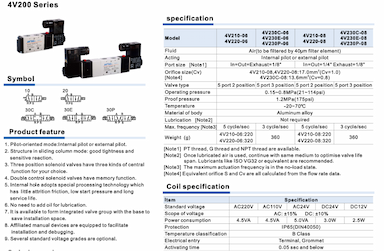
AirTAC Pneumatic Combo Solution – Valve + Cylinder + Air Filter
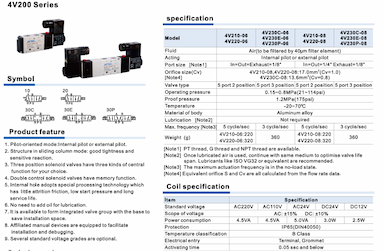
Where to Buy Genuine AirTAC Pneumatic Valves – Trusted Suppliers
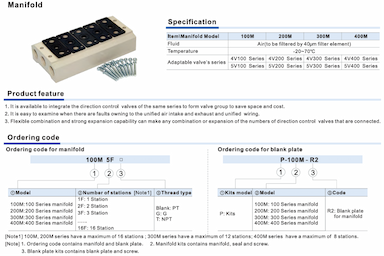
Latest AirTAC Solenoid Valve Price List – 2026 Update
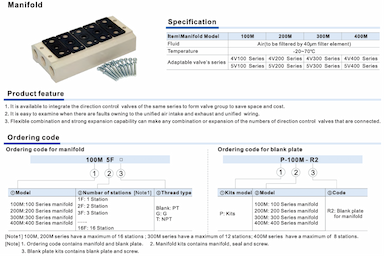
AirTAC Solenoid Valve Accessories – Quick Connects, Silencers, and Sub-Bases
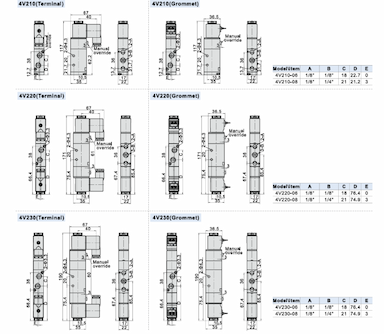
Top-Selling AirTAC 4V Series Solenoid Valve Models in 2026
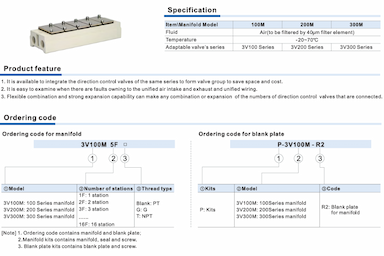
AirTAC Solenoid Valve Catalog – Full Guide to Download and Use the PDF
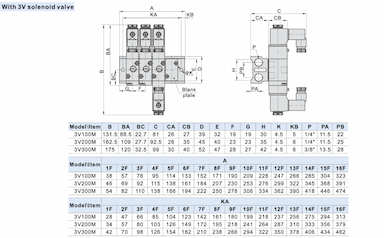
Complete AirTAC Solenoid Valve Specification Table – Your Ultimate Guide
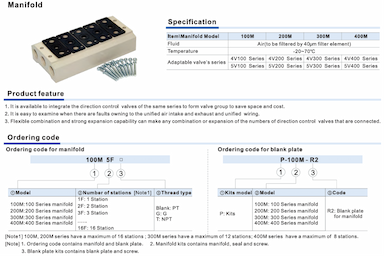
AirTAC Solenoid Valve Maintenance Checklist – Troubleshooting Guide
Solenoid Valve Vibration and Noise – Quick Troubleshooting Guide for Pneumatic Systems