


SC63 vs SC80 – Which Pneumatic Cylinder Should You Choose?
May 21 2026SC63 and SC80 are popular AirTAC pneumatic cylinders with different force capacities and air consumption levels. This article helps you choose the right cylinder based on your actual application requirements.
What Is the Difference Between SC63 and SC80?
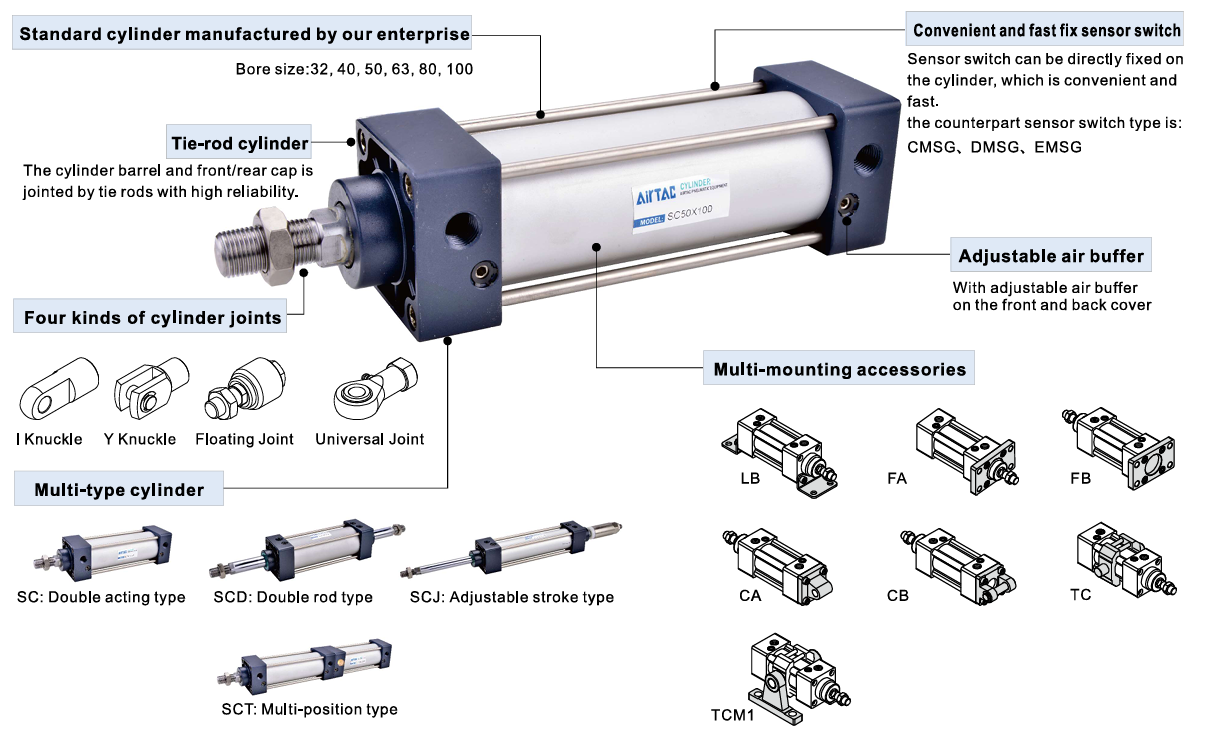
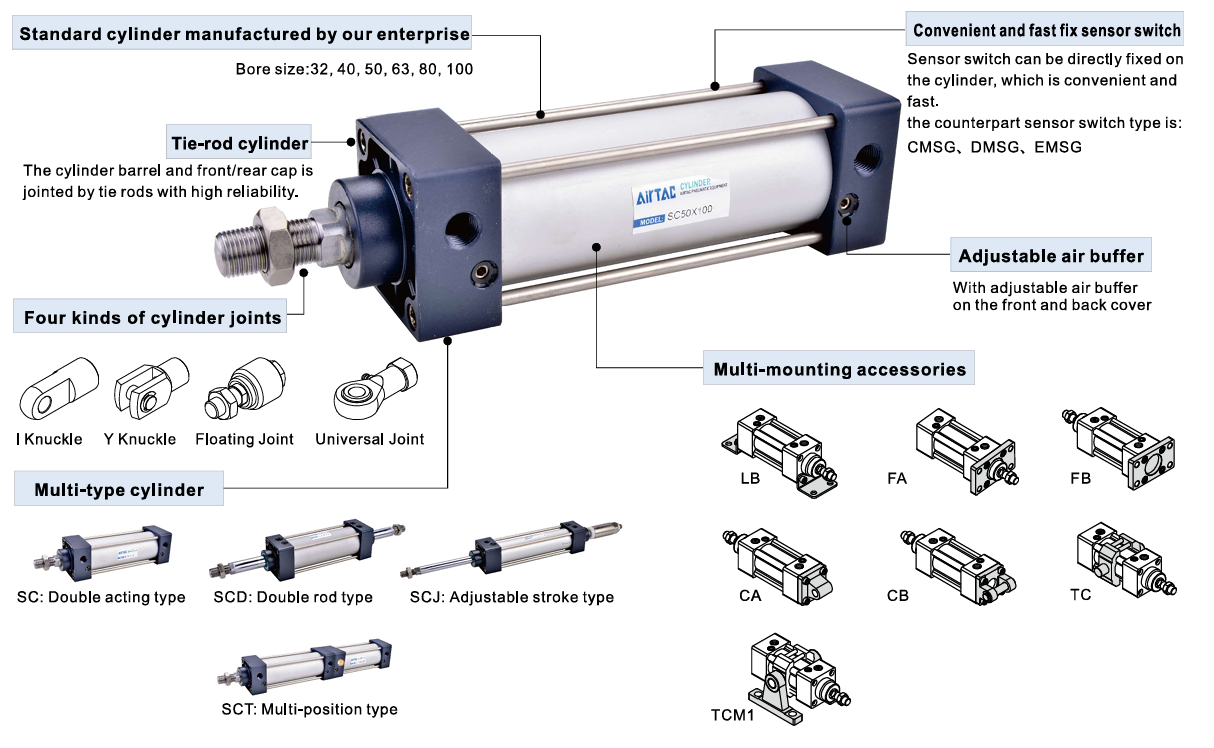
SC63 and SC80 are both standard AirTAC SC series pneumatic cylinders.
The biggest differences are:
- Cylinder bore size
- Pushing force
- Overall dimensions
- Air consumption
Specifically:
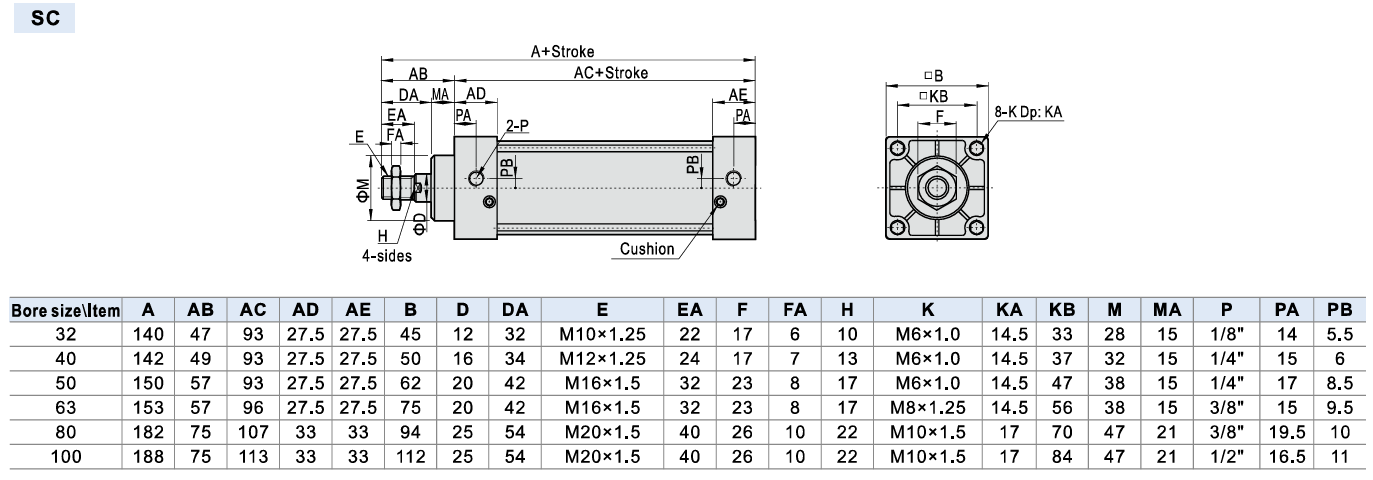
- SC63 has a 63mm bore
- SC80 has an 80mm bore
👉 These differences directly affect:
- Pushing force
- Speed
- System stability
How Much Weight Can an SC63 Cylinder Push?
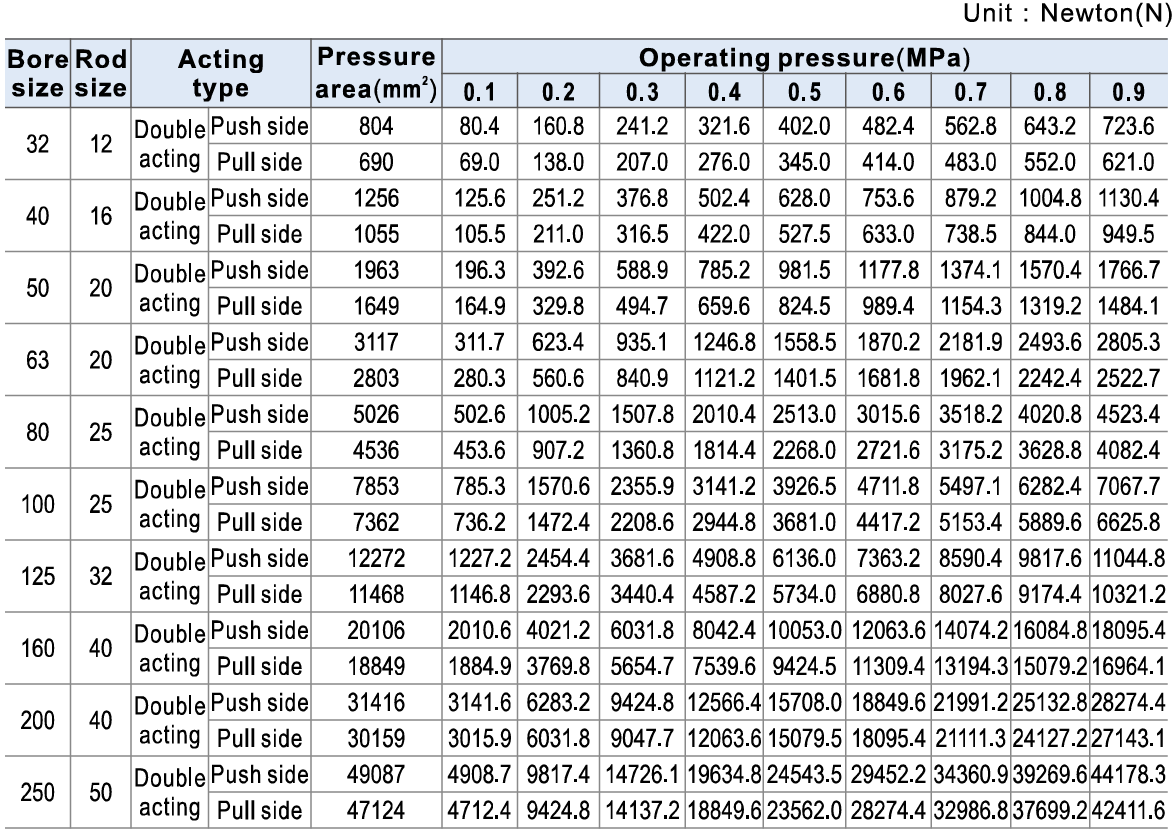
At approximately 6 bar pressure:
- SC63 can generate about:
- ~180–190kgf pushing force
👉 This force level is suitable for:
- Medium-sized machines
- Pneumatic jigs
- Medium-load pushing systems
How Much Weight Can an SC80 Cylinder Push?
At approximately 6 bar pressure:
- SC80 can generate about:
- ~290–300kgf pushing force
👉 This is significantly stronger than SC63.
F=P×AF = P \times AF=P×A
👉 Larger bore:
- Larger piston area
- Greater pushing force
When Should You Choose SC63?
SC63 is suitable if your system:
- Handles medium loads
- Does not require extremely high force
- Needs lower air consumption
- Has limited machine space
Common Applications for SC63
Pneumatic Jigs
SC63 is commonly used for:
- Product clamping
- Product pushing
- Light pressing systems
Medium-Sized Automation Machines
SC63 works well in:
- Conveyor automation
- Packaging machines
- Medium-load pick & place systems
High-Speed Applications
Because:
- The piston is lighter
- Air consumption is lower
👉 SC63 usually operates faster than SC80.
When Should You Choose SC80?
SC80 is more suitable if:
- The load is heavy
- Strong pressing force is required
- Higher stability is needed
Common Applications for SC80
Pneumatic Press Machines
SC80 is commonly used for:
- Product pressing
- Heavy clamping systems
- Pneumatic stamping applications
Heavy-Duty Automation Systems
Examples:
- Large lifting mechanisms
- Small pallet pushing systems
- Large industrial automation machines
Long Stroke and Heavy Load Systems
SC80 performs better when:
- Stroke length is long
- Loads are heavy
- Operating force is high
Which One Saves More Air – SC63 or SC80?
👉 SC63 consumes significantly less air.
Because:
- The bore is smaller
- Air volume is lower
→ The air compressor:
- Works less
- Uses less electricity
SC80 Consumes More Air
Because:
- The piston area is larger
- Stroke lengths are often longer
👉 SC80:
- Produces more force
- But consumes much more compressed air
Which One Is More Stable – SC63 or SC80?
For heavy loads:
- SC80 is more stable
For medium loads:
- SC63 is usually sufficient and more economical
👉 You should NOT choose SC80 if:
- The load is light
- High force is unnecessary
Because:
- It may cause vibration
- It wastes compressed air
Should You Choose SC80 “Just To Be Safe”?
Many people think:
- “Bigger bore is always better.”
👉 This is a common mistake.
SC80 may cause:
- Higher air consumption
- Strong impact force
- Reduced positioning accuracy
- Higher system cost
👉 The most important thing is:
- Choosing the correct bore based on actual load requirements.
When Should You Use Guided Cylinders Instead of Increasing Bore Size?
If your system:
- Vibrates heavily
- Has off-center loads
- Uses long stroke movement
👉 Increasing bore size alone may not solve the problem.
In many cases:
- Guided cylinders are much more effective.
So, Should You Choose SC63 or SC80?
Choose SC63 If:
✅ The load is medium
✅ You want lower air consumption
✅ The machine is small or medium-sized
✅ High speed is important
Choose SC80 If:
✅ The load is heavy
✅ High force is required
✅ Stroke length is long
✅ The system is industrial-grade
Conclusion
SC63 and SC80 are both very popular pneumatic cylinders.
👉 However:
- SC63 is better for medium loads and lower air consumption
- SC80 is better for heavy loads and high force applications
👉 Do not choose based only on guesswork.
Always:
- Calculate the actual required force
- Analyze the real load conditions
- Select the correct bore size for your system
How to Select AirTAC Solenoid Valves from A-Z (With Technical Guidance)

AirTAC Pneumatic Combo Solution – Valve + Cylinder + Air Filter
Where to Buy Genuine AirTAC Pneumatic Valves – Trusted Suppliers
Latest AirTAC Solenoid Valve Price List – 2026 Update
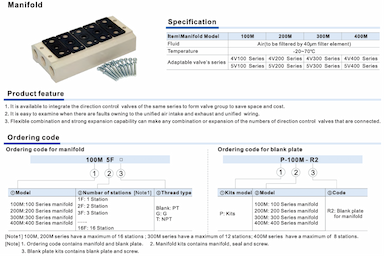
AirTAC Solenoid Valve Accessories – Quick Connects, Silencers, and Sub-Bases
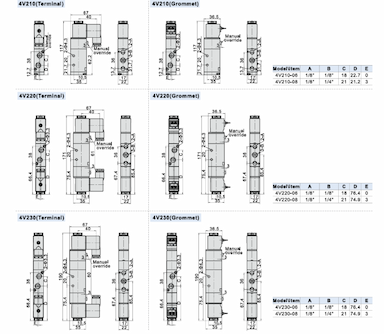
Top-Selling AirTAC 4V Series Solenoid Valve Models in 2026
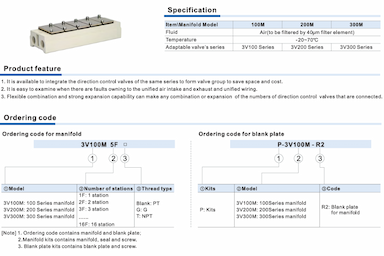
AirTAC Solenoid Valve Catalog – Full Guide to Download and Use the PDF
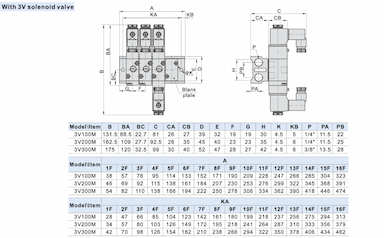
Complete AirTAC Solenoid Valve Specification Table – Your Ultimate Guide
AirTAC Solenoid Valve Maintenance Checklist – Troubleshooting Guide
Solenoid Valve Vibration and Noise – Quick Troubleshooting Guide for Pneumatic Systems