


What Happens If You Choose the Wrong Pneumatic Cylinder Bore?
May 20 2026Choosing the wrong pneumatic cylinder bore can cause weak force, vibration, excessive air consumption, and reduced system lifespan. This article explains the consequences of incorrect bore selection and how to choose the right size.
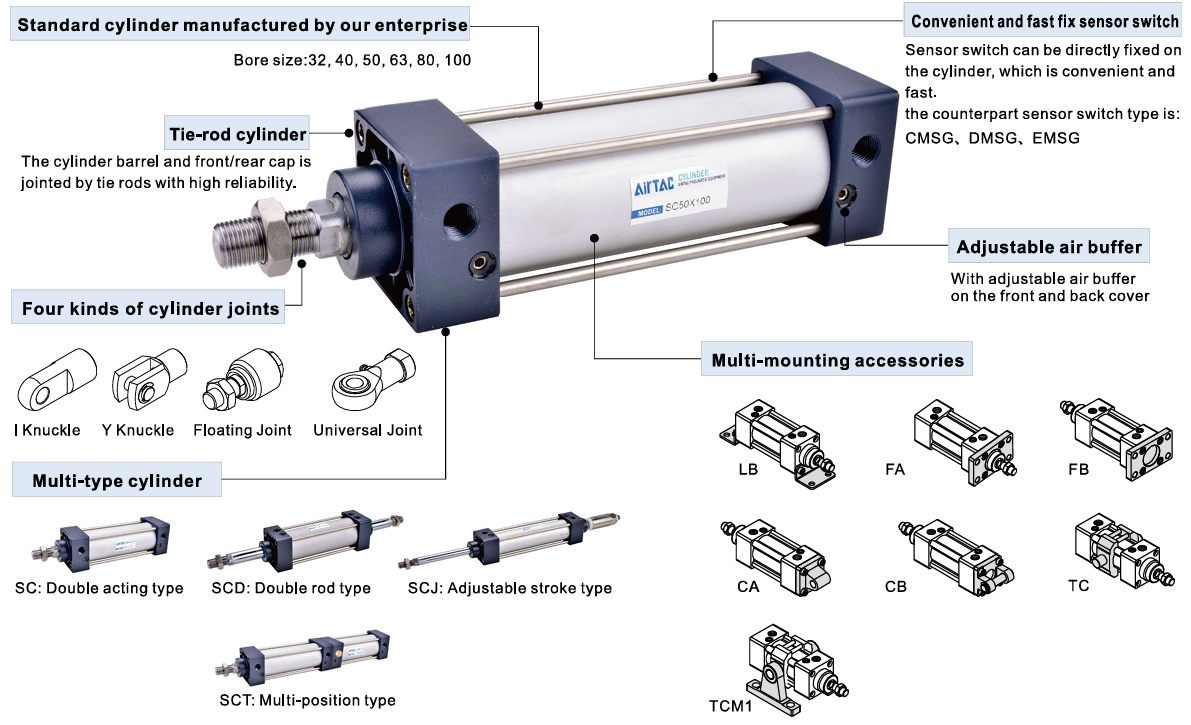
What Is Cylinder Bore?
Cylinder bore is the internal diameter of the piston inside a pneumatic cylinder.
It is the most important parameter affecting:
- Pushing force
- Speed
- Stability
- Overall system performance
👉 Larger bore:
- Produces more force
- But consumes more compressed air
👉 Bore that is too small:
- Cannot generate enough force
👉 Bore that is too large:
- Wastes air
- Reduces system stability
- Increases operating cost
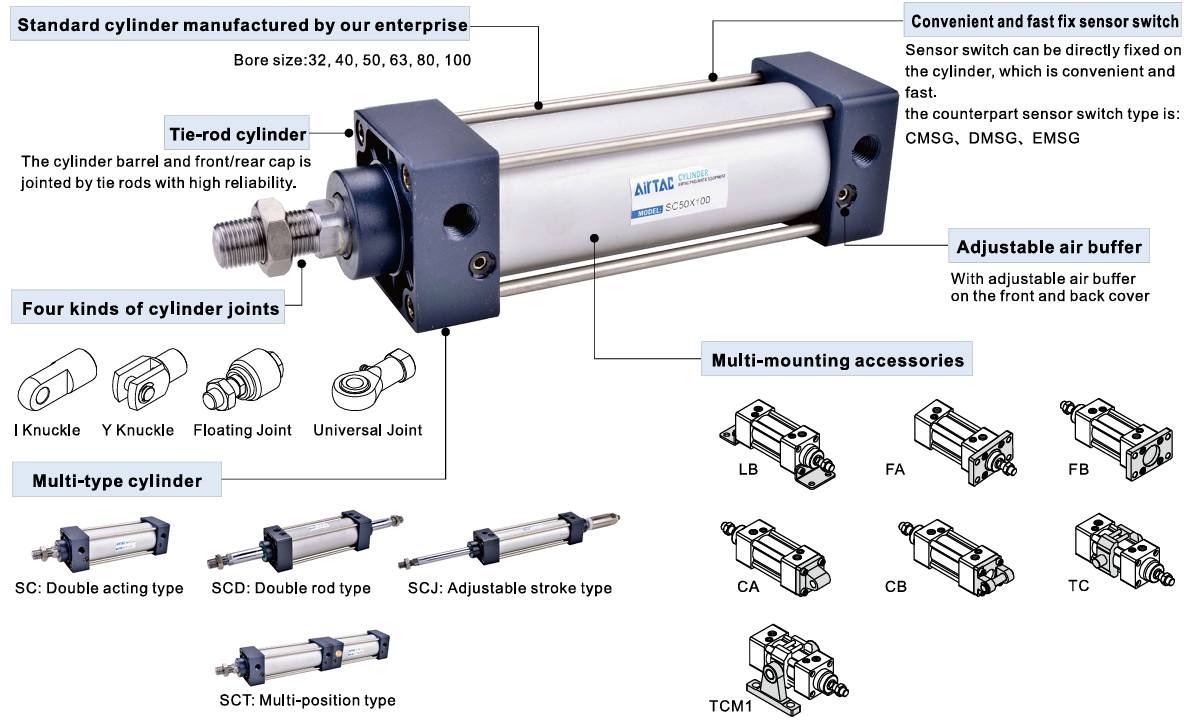
Why Is Incorrect Bore Selection So Common?
Many people choose pneumatic cylinders based on:
- Experience
- Guesswork
- Previous machine designs
without properly calculating:
- Actual required force
- Dynamic load
- Friction
- Safety factor
👉 Result:
- Unstable operation
- Excessive air consumption
- Faster wear
- Poor system efficiency
Problems Caused by Choosing a Bore That Is Too Small
This is the most common mistake.
Insufficient Cylinder Force
If the bore is too small:
- The piston area becomes smaller
- The cylinder produces less force
👉 Even with enough air pressure:
- The cylinder may still fail to move the load
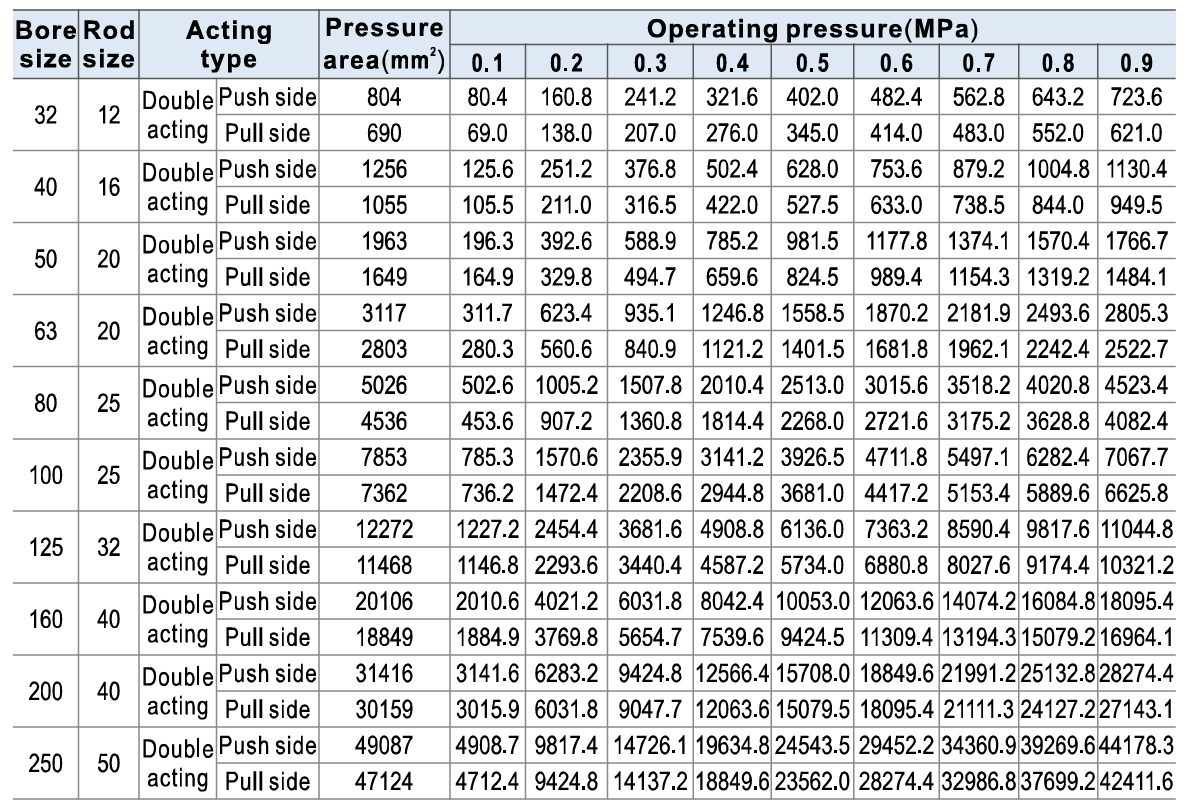
F=P×AF = P \times AF=P×A
Where:
- F = Force
- P = Pressure
- A = Piston area
👉 Smaller bore → smaller area → weaker force.
Weak Performance Under Load
Many systems:
- Work normally without load
- Become weak under load
👉 This is a classic sign of insufficient bore size.
Slow Cylinder Movement
A small bore:
- Cannot overcome friction efficiently
- Has poor acceleration performance
👉 The system becomes:
- Slower
- Less stable
Problems Caused by Choosing a Bore That Is Too Large
Many people think:
- Bigger bore is always better
👉 In reality, that is not true.
Excessive Air Consumption
Larger bore:
- Requires a larger air volume
👉 The compressor must work harder.
Result:
- Higher electricity cost
- More air consumption
- Increased operating expenses
Cylinder Becomes Aggressive and Difficult to Control
If the bore is too large:
- The pushing force becomes excessive
- Acceleration becomes too fast
👉 This can cause:
- Hard impacts
- Vibration
- Reduced positioning accuracy
Damage to Machine Structures
Excessive force may:
- Bend jigs
- Damage linear guides
- Increase mechanical wear
👉 This is a very common issue in automation systems.
Incorrect Bore Selection Reduces Cylinder Lifespan
If the bore size is unsuitable:
- The cylinder may operate under excessive stress
- Seals wear faster
- Piston rods may bend
Signs of Incorrect Bore Selection
Bore Too Small
- Weak force
- Slow movement
- Cannot push the load
Bore Too Large
- Jerky movement
- Excessive air consumption
- Strong impact at end of stroke
Off-Center Loads Make the Problem Worse
If the application has:
- Off-center loads
- Long stroke
- No guide rod support
👉 Even a correctly sized bore may still suffer from:
- Weak force
- Vibration
- Bent piston rods
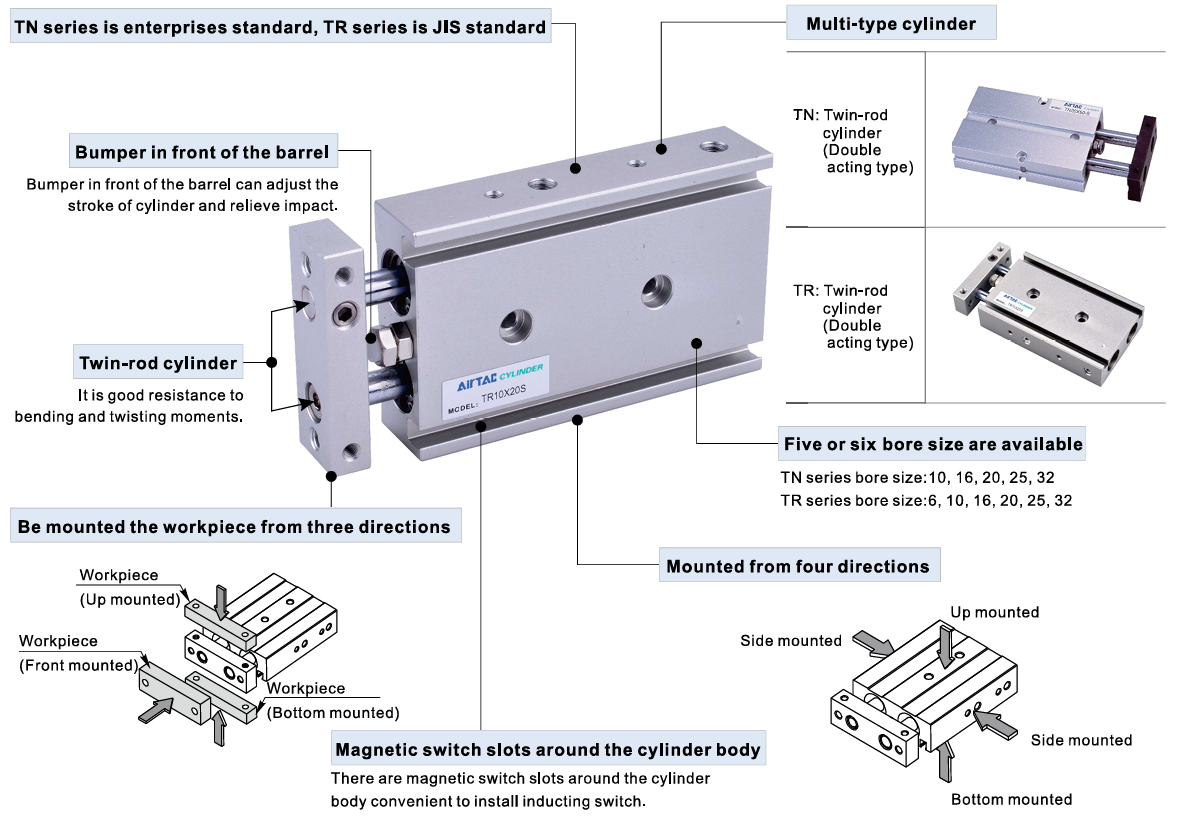
When Should You Use Guided Cylinders?
You should consider guided cylinders if:
- Side load exists
- Anti-rotation is required
- High stability is needed
- Precision is important
👉 Guided cylinders help:
- Improve stability
- Reduce vibration
- Minimize mechanical problems
How to Choose the Correct Cylinder Bore
When selecting bore size, you should calculate:
- Actual load
- Friction
- Speed
- Acceleration
- Safety factor
👉 Never choose bore size based only on guesswork.
Practical Bore Selection Rule
In most applications:
- Cylinder force should exceed actual required force by 30–50%
Example:
- If the load requires 50kg force
- Choose a cylinder capable of producing 70–80kg force
👉 This helps the system:
- Operate more smoothly
- Last longer
- Reduce system failures
Conclusion
Choosing the wrong pneumatic cylinder bore can cause:
- Weak cylinder force
- Failure to move loads
- Vibration
- Excessive air consumption
- Damage to machine structures
👉 Bore selection directly affects:
- System performance
- Stability
- Pneumatic system lifespan
👉 To improve efficiency:
- Always calculate actual force requirements
- Select the correct bore size
- Avoid choosing cylinders based on guesswork
How to Select AirTAC Solenoid Valves from A-Z (With Technical Guidance)

AirTAC Pneumatic Combo Solution – Valve + Cylinder + Air Filter
Where to Buy Genuine AirTAC Pneumatic Valves – Trusted Suppliers
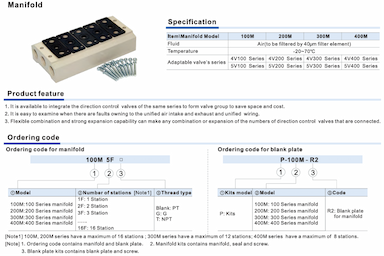
Latest AirTAC Solenoid Valve Price List – 2026 Update
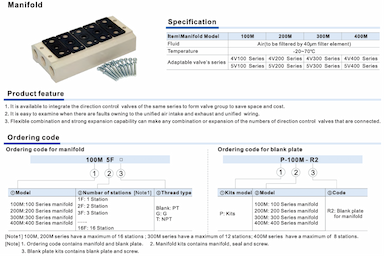
AirTAC Solenoid Valve Accessories – Quick Connects, Silencers, and Sub-Bases
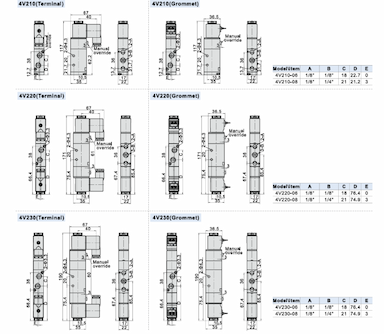
Top-Selling AirTAC 4V Series Solenoid Valve Models in 2026
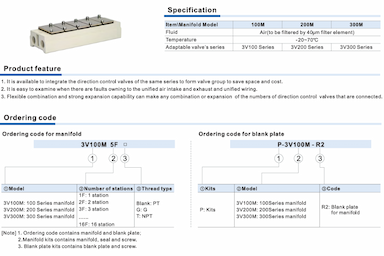
AirTAC Solenoid Valve Catalog – Full Guide to Download and Use the PDF
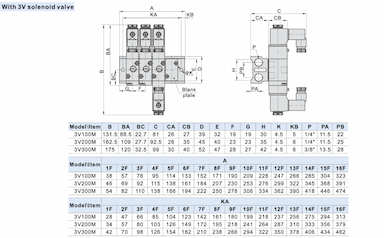
Complete AirTAC Solenoid Valve Specification Table – Your Ultimate Guide
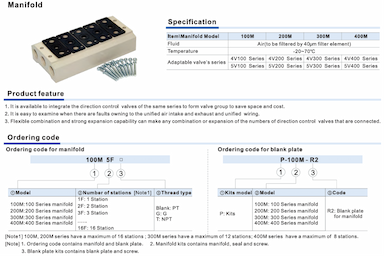
AirTAC Solenoid Valve Maintenance Checklist – Troubleshooting Guide
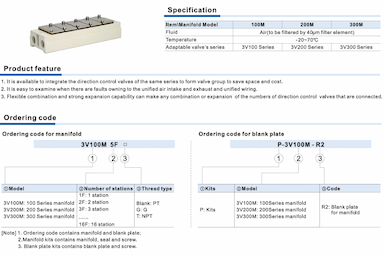
Solenoid Valve Vibration and Noise – Quick Troubleshooting Guide for Pneumatic Systems