


How to Calculate Pneumatic Cylinder Force (With Force Chart)
May 09 2026Learn how to calculate pneumatic cylinder force using practical formulas and force charts. This guide explains bore size, air pressure, and how to choose the right cylinder for your application.
What Is Pneumatic Cylinder Force?
Pneumatic cylinder force is the pushing or pulling force generated when compressed air acts on the piston inside the cylinder.
This is one of the most important parameters because it determines:
- Whether the cylinder can move the load
- System performance
- Operating stability
👉 Choosing the wrong force can result in:
- Weak cylinder performance
- Insufficient pushing power
Pneumatic Cylinder Force Formula
Cylinder force is calculated using the following formula:
F=P×AF = P \times AF=P×A
Where:
- F = force (N)
- P = air pressure
- A = piston area
👉 Larger bore size → larger piston area → greater force.
How to Calculate Piston Area
Piston area is calculated using:
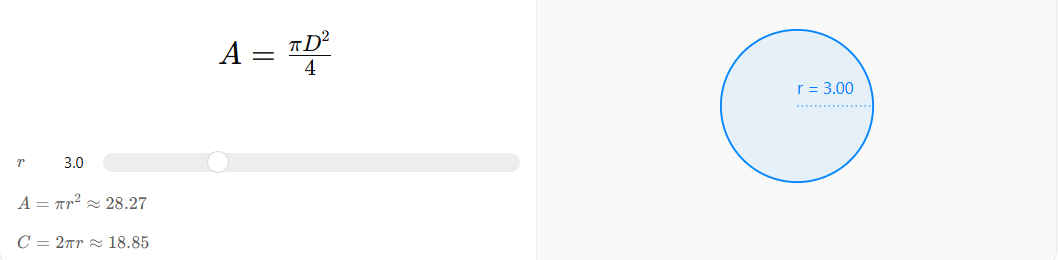
Where:
Example:
- Bore = 63mm
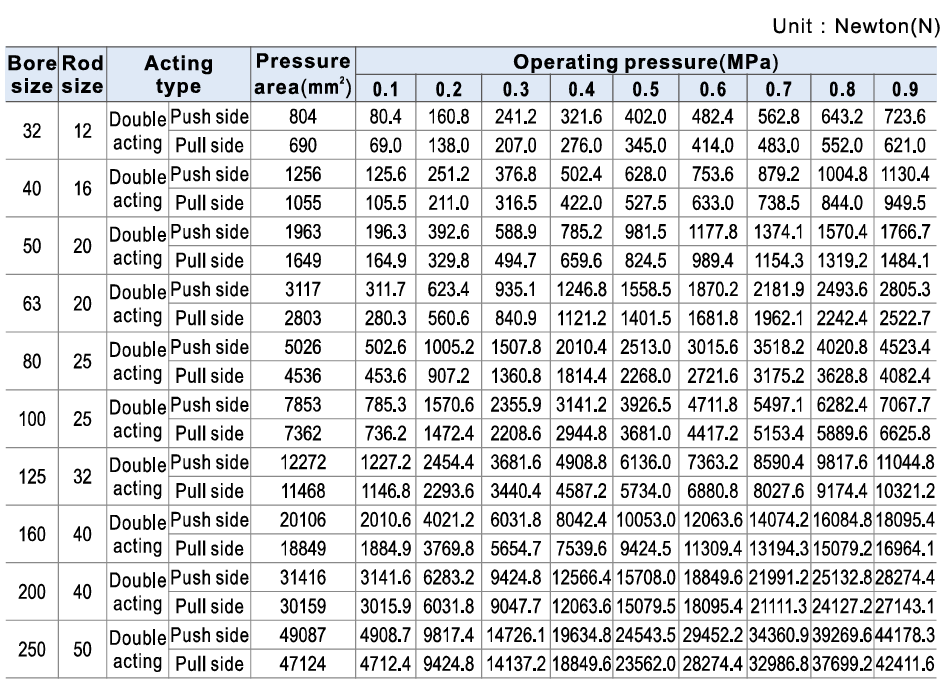
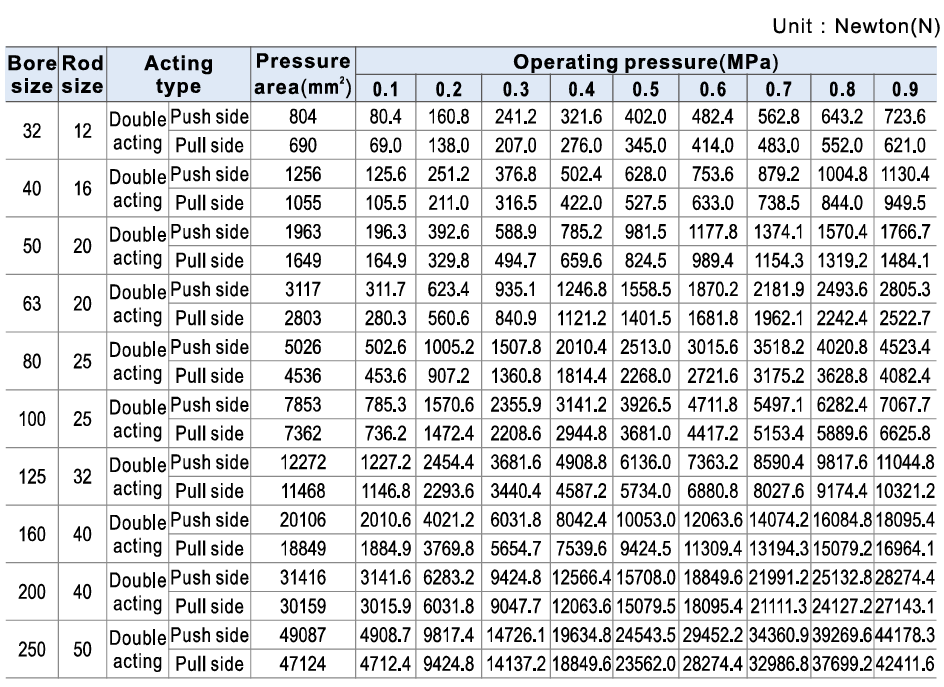
- Piston area ≈ 3117 mm²
👉 Then:
- Piston area × air pressure
- → gives the theoretical cylinder force.
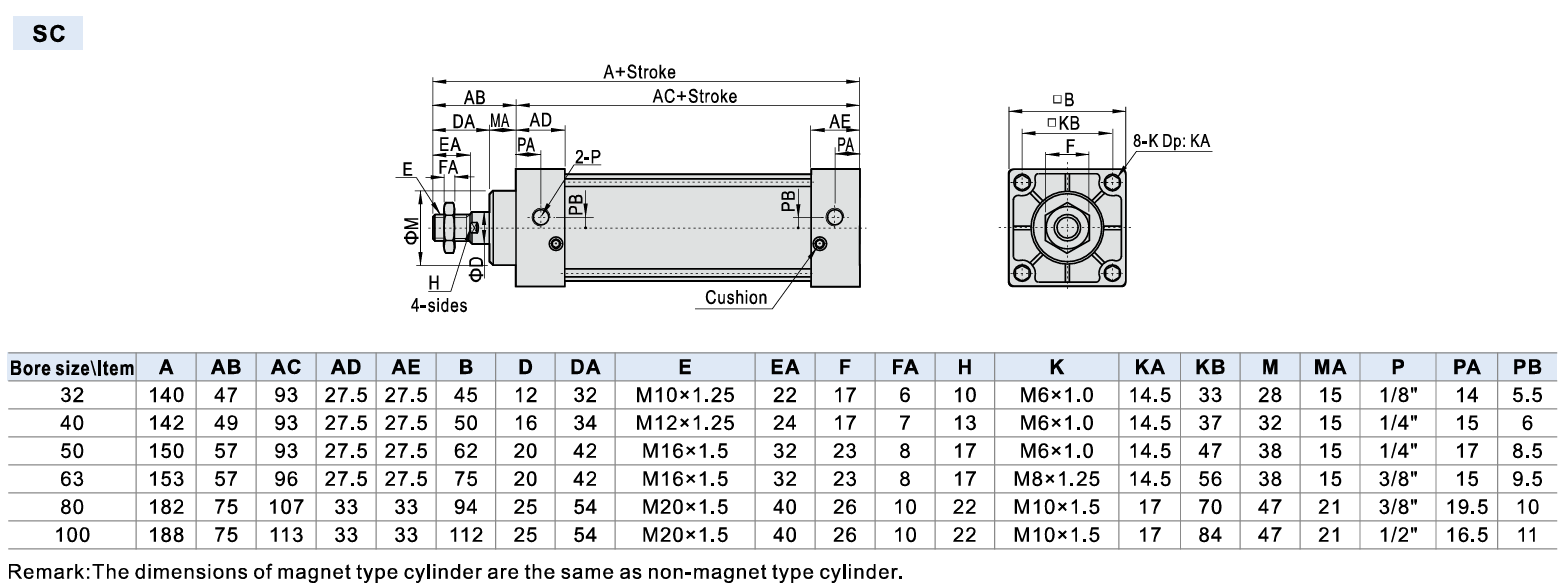
Example: Calculating SC63 Cylinder Force
Example:
- Bore = 63mm
- Pressure = 5 bar (0.5 MPa)
According to the AirTAC SC thrust chart:
- Output force is approximately 150–160kgf
👉 However:
- This is a theoretical value
- In real-world applications, a 20–30% safety margin is recommended
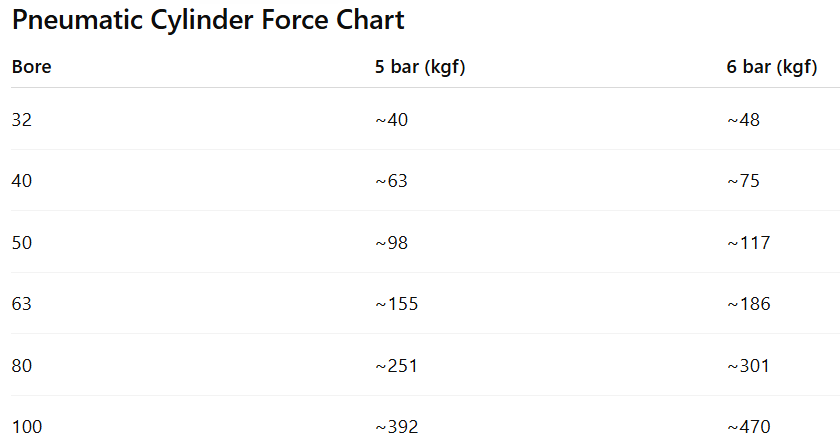
👉 These values represent theoretical pushing force during extension.
Why Is Actual Force Lower Than Theoretical Force?
Many people correctly calculate force but still experience:
👉 The cylinder cannot move the load properly.
Common reasons include:
- Mechanical friction
- Air leakage
- Unstable pressure
- Off-center loading
- Incorrect mounting
👉 In practice:
- Only about 60–80% of the theoretical force should be used.
How to Choose Bore Size Based on Force
Light Loads
- Bore 32–40
Medium Loads
- Bore 50–63
Heavy Loads
- Bore 80–100
👉 Avoid selecting a cylinder with force exactly equal to the load.
Recommended:
- Add 20–30% safety margin
What’s the Difference Between Push Force and Pull Force?
Many people overlook the difference between:
- Extension force
- Retraction force
👉 They are NOT the same.
Because:
- During retraction, the piston rod occupies part of the piston area
- Effective area becomes smaller
→ Retraction force is always lower than extension force.
Common Mistakes When Calculating Cylinder Force
Looking Only at Bore Size
- Large bore with low pressure → still weak force
Ignoring Friction
- Results in insufficient force calculation
Choosing an Oversized Cylinder
- Higher air consumption
- Increased cost
- Bulky system design
👉 These are very common pneumatic system design mistakes.
When Should You Increase Bore Size?
You should increase bore size when:
- The load becomes heavier
- Air pressure is low
- Stroke length is long
- Higher stability is needed
👉 However:
- Larger bore cylinders consume more air
Conclusion
Correct pneumatic cylinder force calculation helps:
- Select the proper bore size
- Ensure sufficient force
- Reduce system failures
- Optimize operating costs
👉 When calculating cylinder force, always consider:
- Bore size
- Air pressure
- Friction
- Actual load
- Installation conditions
👉 If you are unsure which cylinder is suitable, you can explore various AirTAC pneumatic cylinders with detailed thrust charts and technical specifications.
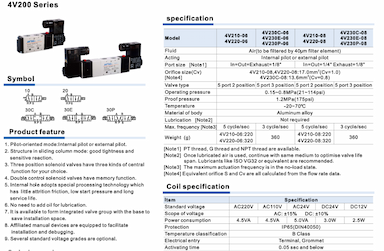
How to Select AirTAC Solenoid Valves from A-Z (With Technical Guidance)

AirTAC Pneumatic Combo Solution – Valve + Cylinder + Air Filter
Where to Buy Genuine AirTAC Pneumatic Valves – Trusted Suppliers
Latest AirTAC Solenoid Valve Price List – 2026 Update
AirTAC Solenoid Valve Accessories – Quick Connects, Silencers, and Sub-Bases
Top-Selling AirTAC 4V Series Solenoid Valve Models in 2026
AirTAC Solenoid Valve Catalog – Full Guide to Download and Use the PDF
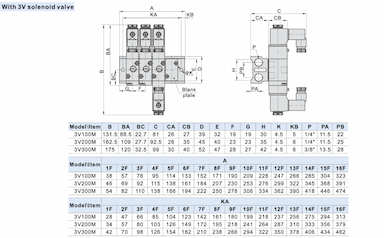
Complete AirTAC Solenoid Valve Specification Table – Your Ultimate Guide
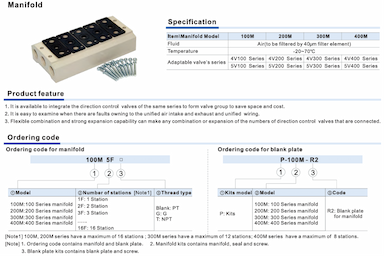
AirTAC Solenoid Valve Maintenance Checklist – Troubleshooting Guide
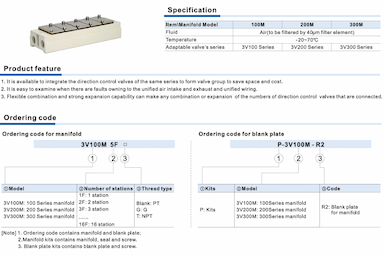
Solenoid Valve Vibration and Noise – Quick Troubleshooting Guide for Pneumatic Systems