


Distinguishing 5/2 and 5/3 Valves – Which One to Use?
Jun 16 2026Guide to distinguishing 5/2 and 5/3 valves and selecting the right AirTAC solenoid valve for double-acting cylinders, including port size, Cv, and installation tips for stable and precise pneumatic system operation.
In pneumatic and automation systems, choosing the appropriate solenoid valve for double-acting cylinders is a critical step to ensure stable system operation, achieve desired speed, and extend the lifespan of equipment. Two commonly used valves are 5/2 and 5/3, each with different designs and applications. Understanding the differences helps engineers select the right valve, considering port size and Cv, and refer to the AirTAC solenoid valve catalog to choose the correct model.
1. Concept of 5/2 and 5/3 Valves
5/2-way Valve
- Structure: 5 ports, 2 positions.
- Application: Typically used for basic double-acting cylinders.
- When the valve shifts state, air is alternately supplied to one end of the cylinder while the other end vents → the piston extends or retracts.
- Advantages: Simple design, fast response, low cost.
- AirTAC Models: Multiple options available in the 4SV and 7SV series, port size 1/8 – 1/2 inch, Cv varies by model.
5/3-way Valve
- Structure: 5 ports, 3 positions.
- Application: Used when the piston needs to pause mid-stroke or when both ends need to vent simultaneously.
- The middle position allows:
- Piston pause
- Simultaneous venting of both cylinder ends
- Protection of heavy loads
- Suitable for systems requiring precise and safe control.
To understand the detailed internal structure, you can refer to “Construction of AirTAC Solenoid Valves (Aluminum Body, Solenoid Coil)”.
2. Operating Principles
2.1 5/2-way Valve
- When switched to position 1 → air enters port A, vents from port B.
- When switched to position 2 → air enters port B, vents from port A.
- Only 2 states → piston has two stroke positions.
2.2 5/3-way Valve
- Middle position → piston can pause mid-stroke.
- Middle position variations: retain air on one side, vent both sides, or maintain load balance.
- More complex than 5/2-way but allows better cylinder control in heavy-duty industrial applications.
Note: Selecting the correct valve ensures quick cylinder response and prevents vibration or failure to actuate.
3. Technical Factors When Selecting a Valve
3.1 Port Size & Cv (Flow Rate)
- Determine the airflow required for the cylinder.
- Larger port size → higher Cv → supports greater airflow.
- Port size and Cv must match to ensure stable operation of the valve and cylinder.
3.2 Coil Voltage
- Choose AC or DC according to system supply to avoid coil burnout or valve malfunction.
3.3 System Pressure
- The valve must withstand the cylinder’s maximum operating pressure.
- Cv and port size should match operating pressure to prevent excessive pressure drop.
3.4 Valve Model and Series
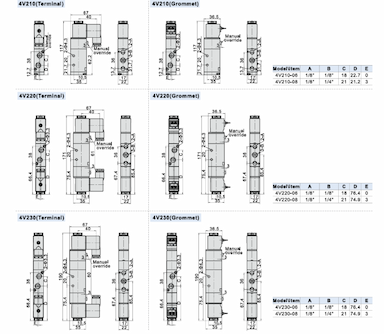
- AirTAC 4SV: 4V100 → 4V400, port size 1/8 – 1/2 inch, Cv varies per model.
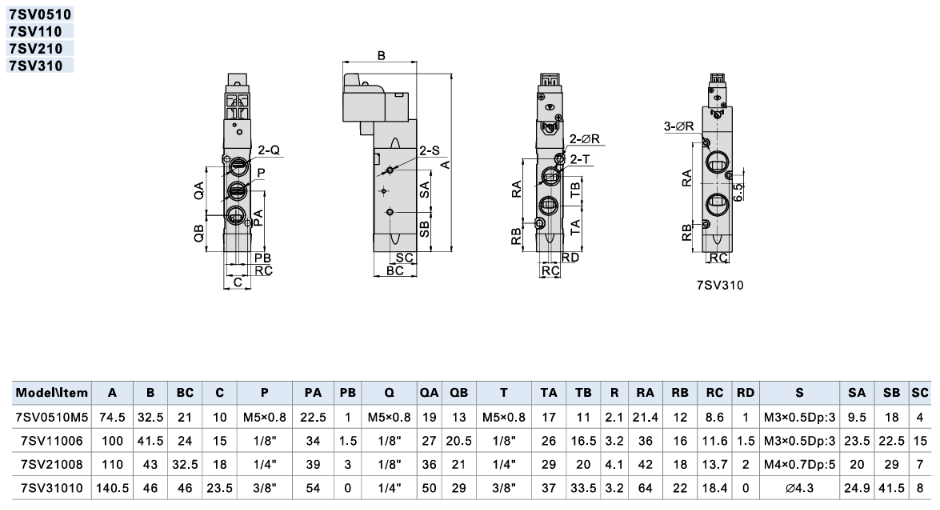
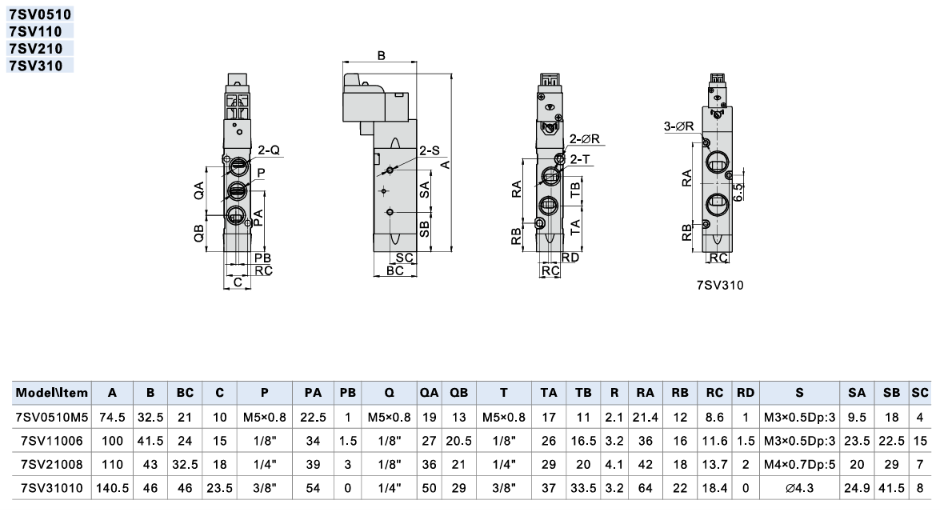
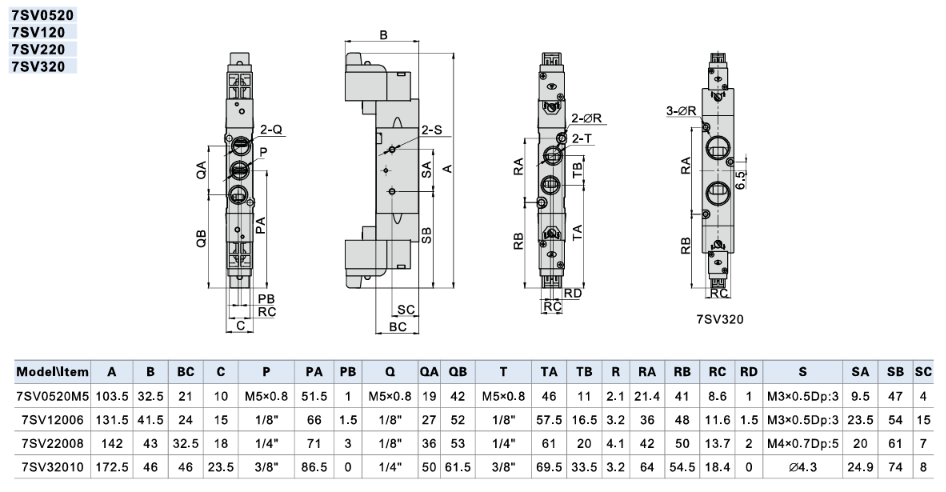
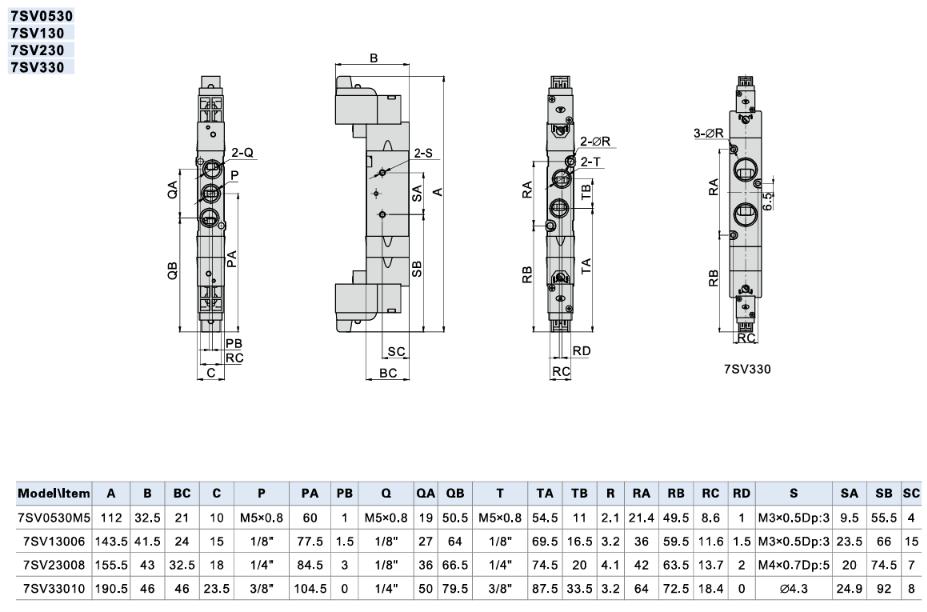
- AirTAC 7SV: 7SV050 → 7SV330, high flow and pressure, suitable for heavy-duty industrial systems.
4. Selecting a Valve Using the AirTAC Catalog
4SV Series
- Choose the model based on required airflow, system pressure, and number of valve positions.
- Example:
- Small cylinder → 4SV110 or 4SV120
- Medium cylinder → 4SV210 or 4SV220
7SV Series
- Choose models for high flow or high-pressure systems.
- Example: 7SV100, 7SV220, 7SV310
5. Installation and Connection Guidelines
- Verify port size and Cv before installation to ensure the valve matches the cylinder.
- Connect the coil correctly: vertical plug wire or parallel plug wire.
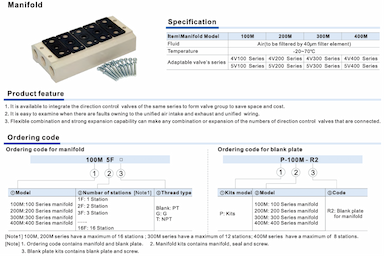
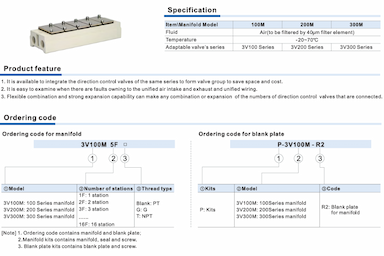
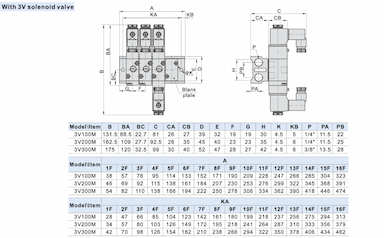
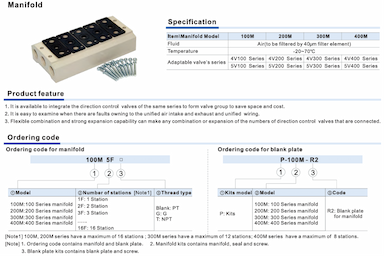
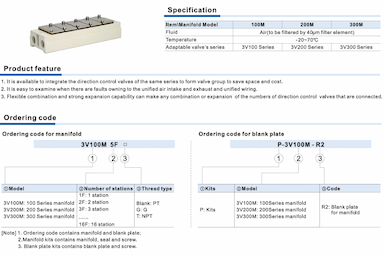
- When using a manifold, ensure the Cv of all connected valves is consistent.
- Tighten screws appropriately to avoid air leakage and valve damage.
A correctly selected valve ensures that single- or double-acting cylinders operate accurately, valves do not vibrate, and the pneumatic system performs efficiently.
How to Select AirTAC Solenoid Valves from A-Z (With Technical Guidance)

AirTAC Pneumatic Combo Solution – Valve + Cylinder + Air Filter
Where to Buy Genuine AirTAC Pneumatic Valves – Trusted Suppliers
Latest AirTAC Solenoid Valve Price List – 2026 Update
AirTAC Solenoid Valve Accessories – Quick Connects, Silencers, and Sub-Bases
Top-Selling AirTAC 4V Series Solenoid Valve Models in 2026
AirTAC Solenoid Valve Catalog – Full Guide to Download and Use the PDF
Complete AirTAC Solenoid Valve Specification Table – Your Ultimate Guide
AirTAC Solenoid Valve Maintenance Checklist – Troubleshooting Guide
Solenoid Valve Vibration and Noise – Quick Troubleshooting Guide for Pneumatic Systems