


Why Can’t My Pneumatic Cylinder Push the Load?
May 19 2026A pneumatic cylinder failing to push loads is a common automation problem. This article explains causes such as incorrect bore selection, insufficient airflow, and air leakage, along with effective solutions.
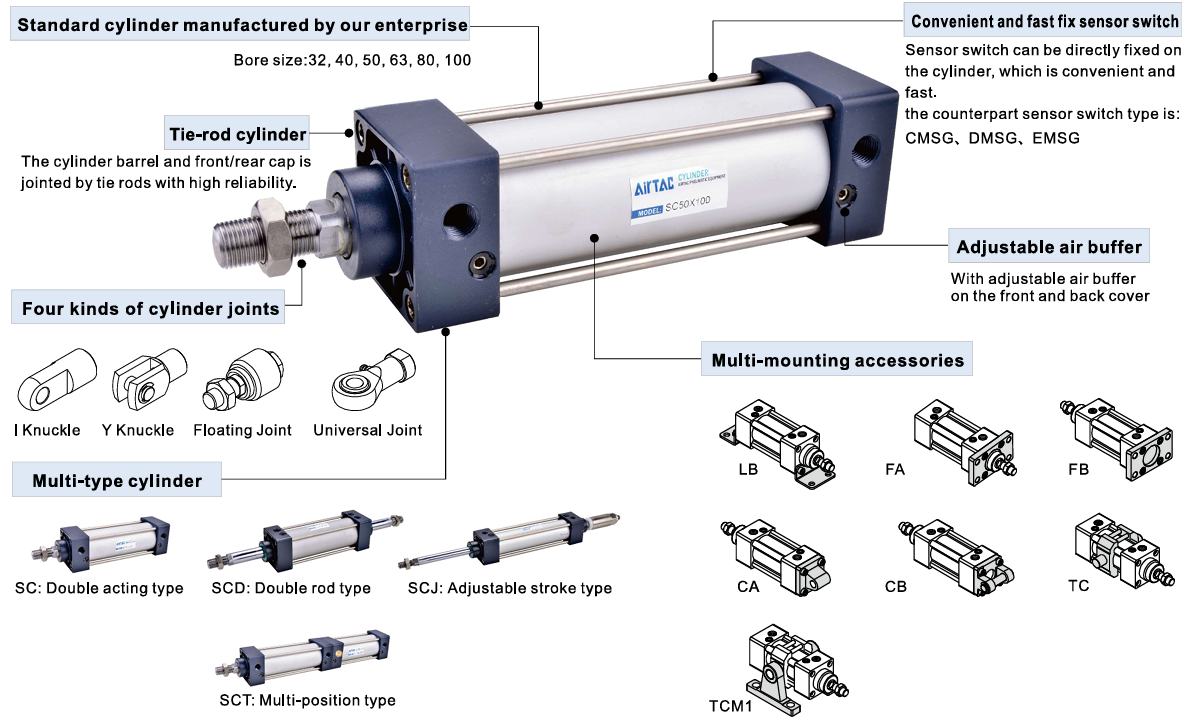
Why Does a Pneumatic Cylinder Fail to Push Properly?
This is one of the most common problems in pneumatic automation systems.
In many cases:
- The cylinder still moves
- Compressed air is supplied normally
- The pressure gauge still shows enough pressure
but:
- The cylinder cannot move the product
- The pushing force is too weak
- The cylinder slows down heavily under load
👉 The problem is often not just air pressure.
It is usually related to:
- Cylinder bore size
- Airflow capacity
- Solenoid valve size
- Actual load conditions
- Installation alignment
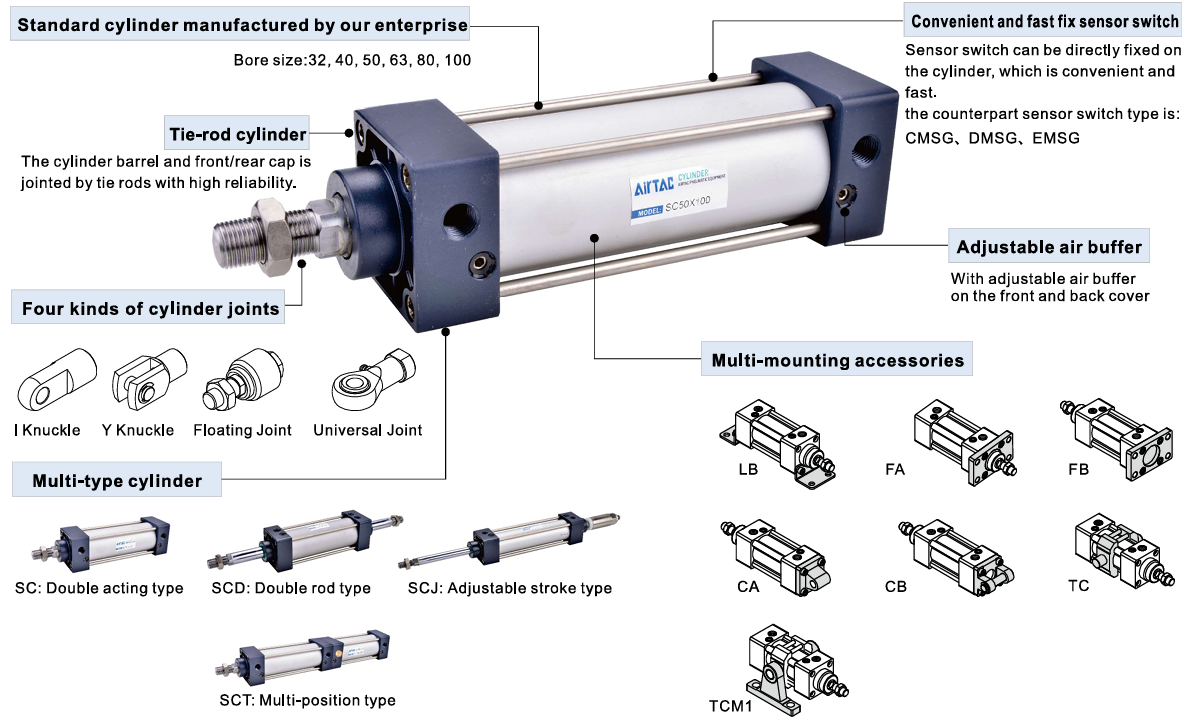
Incorrect Cylinder Bore Selection
This is the most common reason why cylinders cannot push properly.
Many users:
- Select cylinders based on guesswork
- Do not calculate the actual required force
👉 Result:
- The bore size is too small
- The cylinder cannot generate enough pushing force
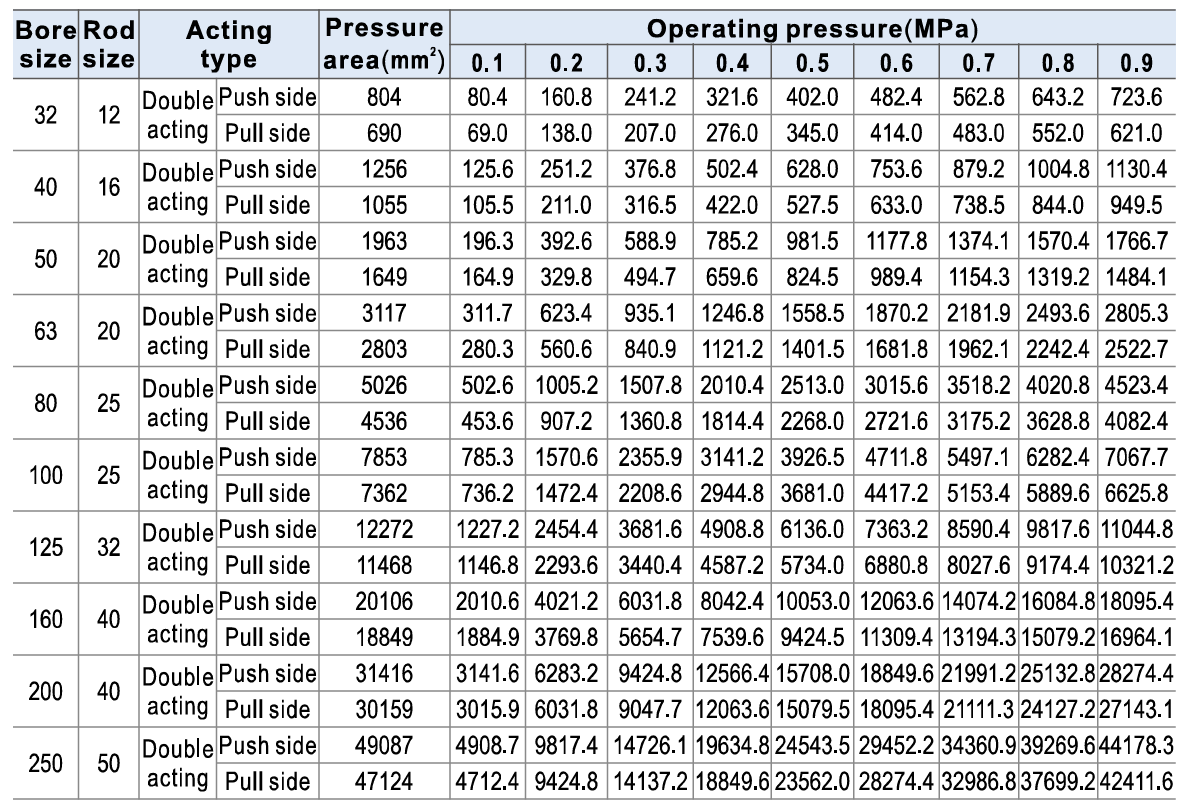
Larger Bore = More Force
Cylinder force depends on:
- Air pressure
- Piston area
👉 Larger bore size means:
- Larger piston area
- Higher pushing force
F=P×AF = P \times AF=P×A
Where:
- F = Force
- P = Pressure
- A = Piston area
👉 If the bore is too small:
- Even with normal pressure
- The cylinder still cannot push the load
Pressure Is Normal but Airflow Is Insufficient
This is a problem many people overlook.
Many systems:
- Show normal pressure on the gauge
- But airflow capacity is too low
👉 Under load:
- The cylinder immediately becomes weak
Common Causes of Low Airflow
Solenoid Valve Is Too Small
If the valve:
- Has small ports
- Has low flow rate
→ The cylinder will not receive enough air under heavy load.
Air Tubing Is Too Small
Small tubing:
- Restricts airflow
- Reduces air supply speed
Air Compressor Capacity Is Too Low
If the compressor:
- Is undersized
- Supplies multiple machines simultaneously
→ Pressure drops when the load increases.
Actual Load Is Heavier Than Expected
Many systems:
- Only calculate product weight
- Ignore:
- Friction
- Acceleration force
- Off-center loads
👉 Result:
- The cylinder cannot generate enough actual force
Commonly Ignored Loads
Mechanical Friction
Linear guides and machine structures:
- Often create much more resistance than expected
Off-Center Load
If the load is offset:
- The cylinder experiences side load
→ Actual pushing force decreases significantly.
High-Speed Movement
The higher the speed:
- The more force is required
👉 This is a very common problem in automation machines.
Air Leakage Problems
If:
- Seals are worn
- The piston rod is scratched
- Pneumatic fittings are loose
👉 Compressed air leaks from the system.
Result:
- Cylinder force gradually decreases
- The cylinder cannot push properly under load
Signs of Air Leakage
- Hissing air sound
- Compressor running continuously
- Unstable cylinder movement
Solutions
✅ Inspect seals
✅ Tighten pneumatic fittings
✅ Check air tubing
✅ Replace damaged seals if necessary
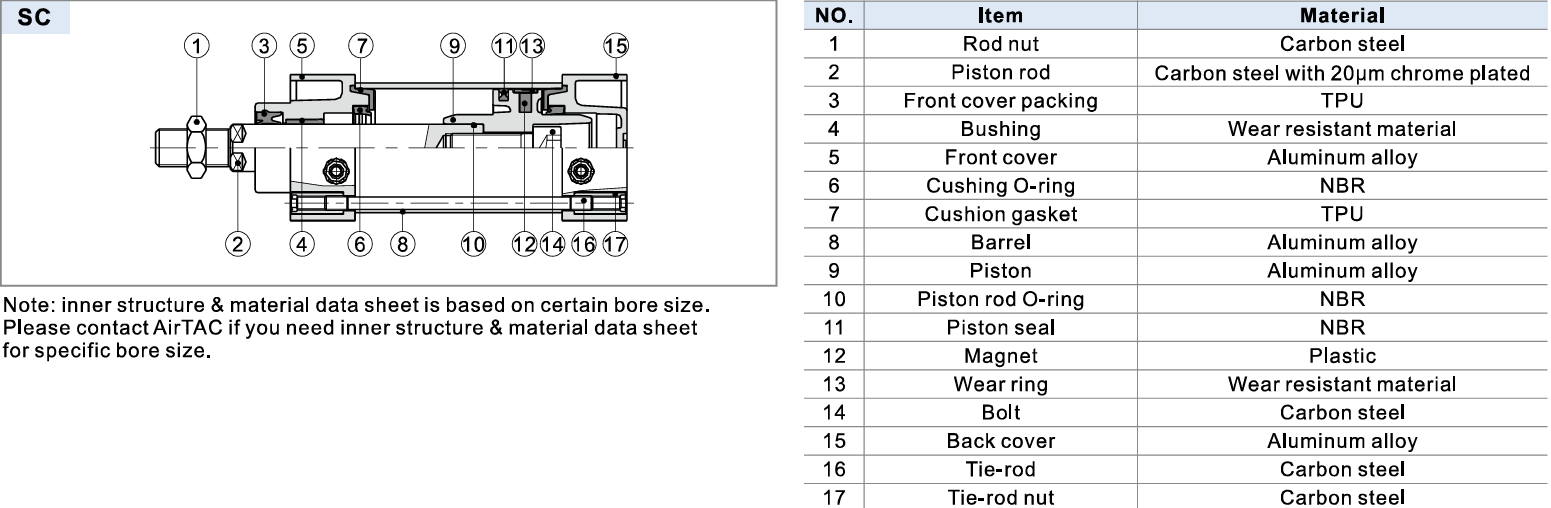
Excessively Long Stroke Reduces Cylinder Stability
If the stroke is:
- Too long
- Used without guide rods
👉 The piston rod may:
- Vibrate
- Bend
- Experience side load
→ The cylinder becomes significantly weaker.
Solutions
✅ Reduce stroke length if possible
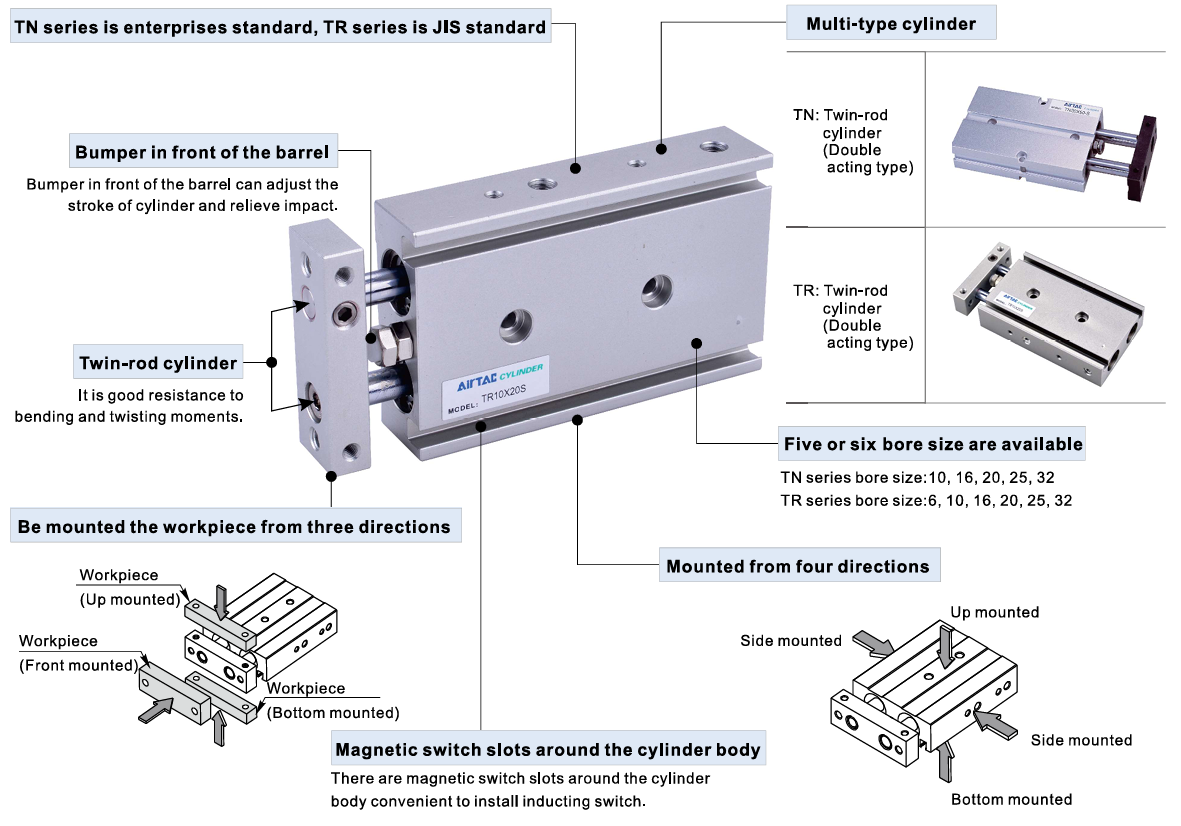
✅ Use guided cylinders
✅ Use dual rod cylinders
Incorrect Cylinder Alignment
If the cylinder:
- Is not aligned with the load direction
- Is mounted off-center
👉 The piston rod experiences:
- Side force
- Increased friction
→ The cylinder cannot push the load properly.
Solutions
✅ Align the cylinder correctly
✅ Use proper joints and mounting accessories
✅ Reduce side load
Dirty or Wet Compressed Air
Contaminated air:
- Damages seals quickly
- Increases friction
- Reduces cylinder performance
Solutions
✅ Use FRL units
✅ Drain water regularly
✅ Maintain the pneumatic system properly
When Should You Upgrade to a Larger Cylinder?
You should increase bore size if:
- The cylinder is always weak under load
- You have already checked:
- Valves
- Air leakage
- Pressure
- Alignment
👉 This usually means:
- The current bore size is insufficient for the actual application.
Conclusion
A pneumatic cylinder that cannot push properly is usually caused by:
- Incorrect bore selection
- Insufficient airflow
- Small valves
- Air leakage
- Actual loads that are too heavy
- Incorrect alignment
👉 In most situations:
- The problem is NOT simply pressure
- The real issue is system design
👉 For a stable pneumatic system:
- Calculate force correctly
- Select the proper bore
- Use appropriate valves
- Use guided cylinders when necessary
How to Select AirTAC Solenoid Valves from A-Z (With Technical Guidance)

AirTAC Pneumatic Combo Solution – Valve + Cylinder + Air Filter
Where to Buy Genuine AirTAC Pneumatic Valves – Trusted Suppliers
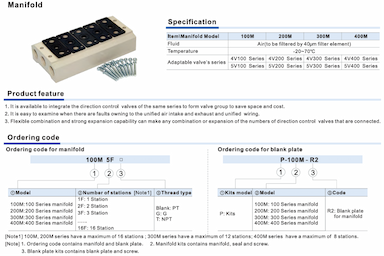
Latest AirTAC Solenoid Valve Price List – 2026 Update
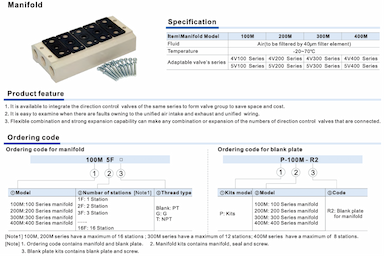
AirTAC Solenoid Valve Accessories – Quick Connects, Silencers, and Sub-Bases
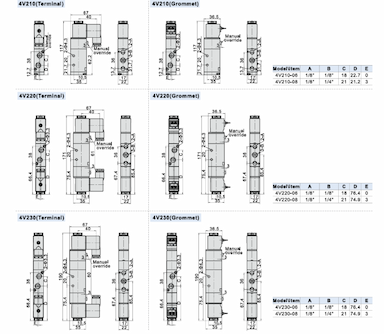
Top-Selling AirTAC 4V Series Solenoid Valve Models in 2026
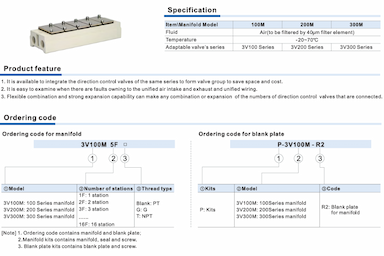
AirTAC Solenoid Valve Catalog – Full Guide to Download and Use the PDF
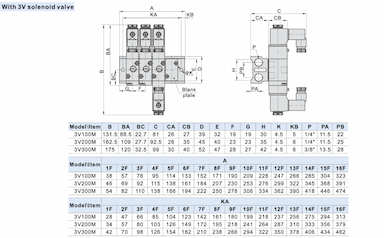
Complete AirTAC Solenoid Valve Specification Table – Your Ultimate Guide
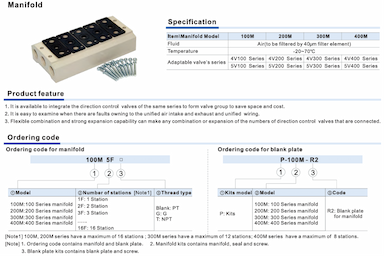
AirTAC Solenoid Valve Maintenance Checklist – Troubleshooting Guide
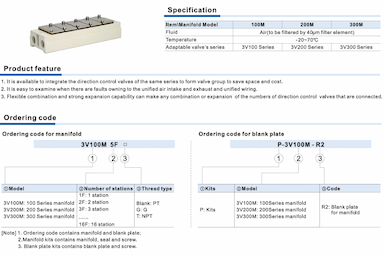
Solenoid Valve Vibration and Noise – Quick Troubleshooting Guide for Pneumatic Systems