


Why AirTAC Solenoid Valves Leak and How to Fix It
Jun 24 2026Learn the common causes of AirTAC solenoid valve leakage and how to fix them, with guidance on selecting the correct port size and Cv for stable pneumatic system performance and optimal cylinder response.
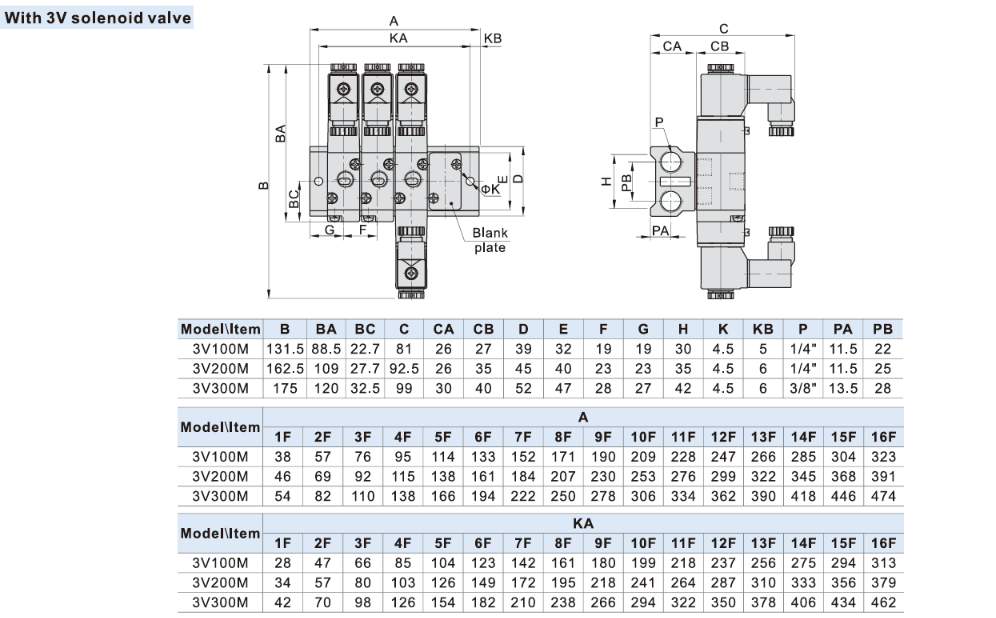
In pneumatic and automation systems, AirTAC solenoid valves are crucial components used to control cylinders, actuators, and other pneumatic devices. Proper installation and maintenance are essential to ensure optimal system performance, minimize downtime, and extend equipment life. Incorrect installation or inappropriate maintenance can lead to air leakage, valve not actuating, vibration, reduced efficiency, or coil damage. This comprehensive guide explains why AirTAC solenoid valves may leak, how to troubleshoot and fix the issue, and provides guidance for using catalogs and real-life images to select and maintain valves correctly.
1. Overview of AirTAC Solenoid Valves
AirTAC solenoid valves are automatic pneumatic control devices that supply or exhaust compressed air to cylinders or other pneumatic components. There are several commonly used series:
- 3V Series: 3 ports – 2 positions, designed for single-acting cylinders.
- 4V Series: 5 ports – 2 or 3 positions, suitable for double-acting cylinders.
- 5V Series: Industrial-grade, high flow rate, high pressure, suitable for heavy-duty applications.
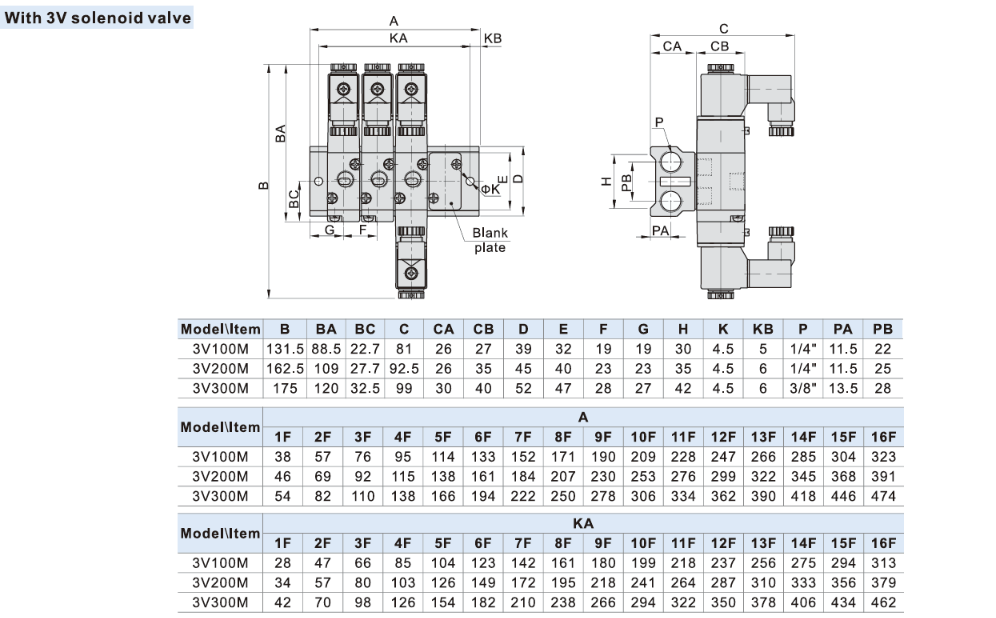
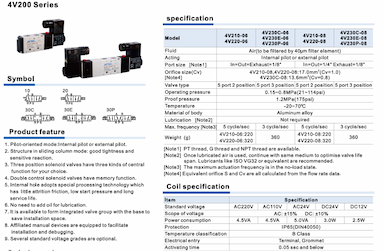
Each AirTAC valve model has specific port sizes and Cv flow coefficients, which determine the cylinder speed and force. Choosing the correct port size and Cv is critical for proper operation and to prevent air leakage.
2. Common Causes of Solenoid Valve Leakage
Understanding the causes of leakage is crucial to troubleshooting and preventing system inefficiency.
2.1 Incorrect Port Size or Cv
- Using a valve with a smaller port size than required can increase pressure drop, causing air to leak.
- A Cv value too low may prevent sufficient airflow, reducing piston movement efficiency.
- Solution: Always verify the catalog and select a valve that matches cylinder size, airflow, and pressure requirements.
2.2 Worn or Damaged Seals
- Internal seals degrade over time due to wear, friction, or contamination.
- Scratched pistons or spools can compromise the sealing surface.
- Solution: Inspect and replace worn seals, and ensure pistons and spools are clean and smooth.
2.3 Improper Installation
- Over-tightening screws can crack the valve body or damage threads, leading to air leaks.
- Under-tightening screws can allow leakage at connections.
- Misaligned or incorrect coil wiring (vertical/parallel plug wire) can affect valve actuation.
- Solution: Follow torque specifications in the catalog and ensure correct wiring and orientation.
2.4 Environmental Contamination
- Unfiltered air allows dust, oil, or debris to enter the valve.
- Contamination can cause spools to jam or seals to wear prematurely.
- Solution: Use a high-quality air filter (≤ 40 μm) and ensure a clean installation environment.
2.5 Incorrect Series or Model
- Installing a valve from a different series than the rest of the system may cause pressure and flow mismatches.
- Selecting a model too small → insufficient flow; too large → oversize and wasted cost.
- Solution: Confirm series (3V, 4V, 5V) and model numbers before installation.
3. How to Fix AirTAC Solenoid Valve Leakage
3.1 Verify Port Size and Cv
- Ensure the port size and Cv are compatible with the cylinder and system requirements.
- Compare catalog data to confirm the correct model selection.
3.2 Inspect Seals and Pistons
- Check for worn or damaged seals.
- Clean spools and pistons to remove dust or oil residue.
- Replace any parts that show excessive wear or scratches.
3.3 Correct Installation Practices
- Mount the valve in a stable location to avoid vibration or shocks.
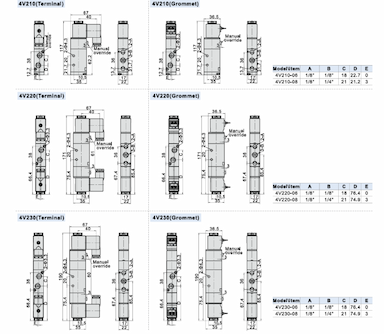
- Use a torque wrench to tighten screws to recommended specifications.
- Connect coil wires correctly using vertical or parallel plug wiring.
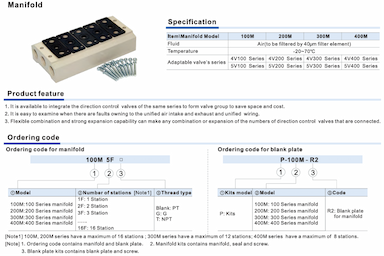
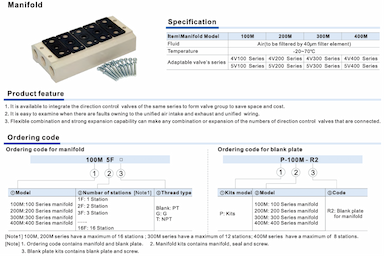
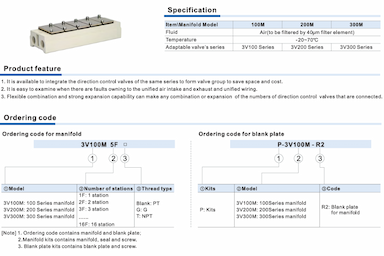
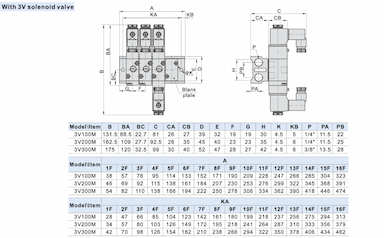
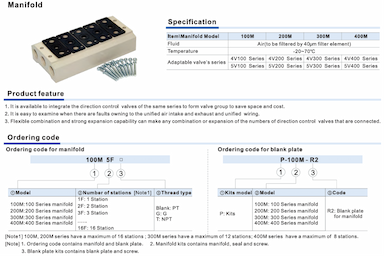
- Ensure manifold connections are consistent if multiple valves are installed.
3.4 Air Filtering and Maintenance
- Install an air filter ≤ 40 μm to remove dust and debris.
- Regularly clean valve components, spools, and pistons.
- Periodically inspect the manifold and system connections.
3.5 Confirm Series Compatibility
- Only use valves from the same series (3V/4V/5V) on the same system.
- Ensure port size, Cv, and pressure ratings match across all valves.
How to Select AirTAC Solenoid Valves from A-Z (With Technical Guidance)

AirTAC Pneumatic Combo Solution – Valve + Cylinder + Air Filter
Where to Buy Genuine AirTAC Pneumatic Valves – Trusted Suppliers
Latest AirTAC Solenoid Valve Price List – 2026 Update
AirTAC Solenoid Valve Accessories – Quick Connects, Silencers, and Sub-Bases
Top-Selling AirTAC 4V Series Solenoid Valve Models in 2026
AirTAC Solenoid Valve Catalog – Full Guide to Download and Use the PDF
Complete AirTAC Solenoid Valve Specification Table – Your Ultimate Guide
AirTAC Solenoid Valve Maintenance Checklist – Troubleshooting Guide
Solenoid Valve Vibration and Noise – Quick Troubleshooting Guide for Pneumatic Systems