


Differences Between AirTAC 3V and 4V Series – Which One Should You Choose?
Jun 18 2026Detailed comparison of AirTAC 3V and 4V solenoid valve series, including structure, working principle, Cv flow rate, port size, and applications. Helps you choose the right valve for pneumatic systems and single or double-acting cylinders.
In pneumatic and automation systems, selecting the correct AirTAC solenoid valve plays a crucial role in ensuring operational efficiency, system stability, and equipment lifespan. The two most commonly used series are 3V and 4V, but each has completely different structures, functions, and applications.
This article helps you clearly understand the differences between AirTAC 3V and 4V solenoid valves, so you can choose the right option for your system requirements.
1. Overview of AirTAC 3V and 4V Series
AirTAC 3V Series – 3/2-Way Solenoid Valve
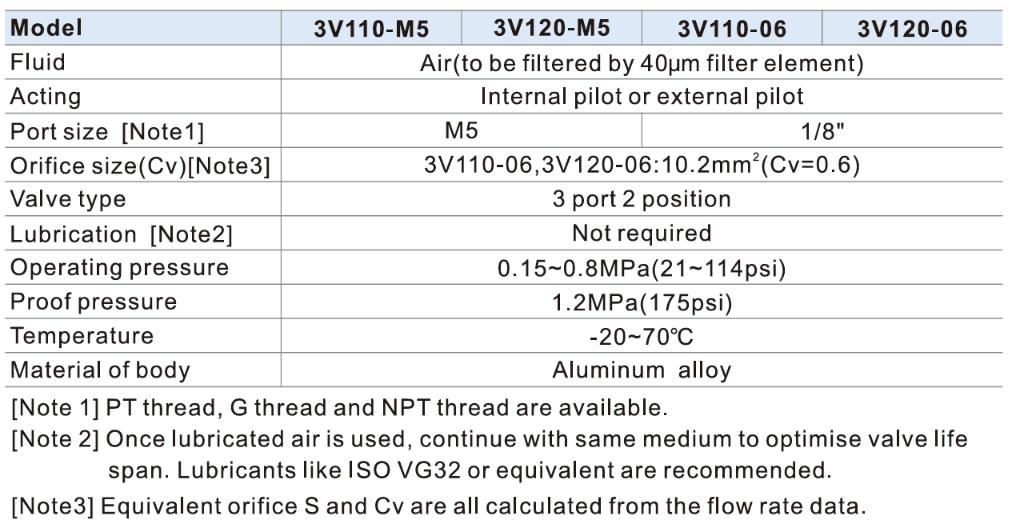
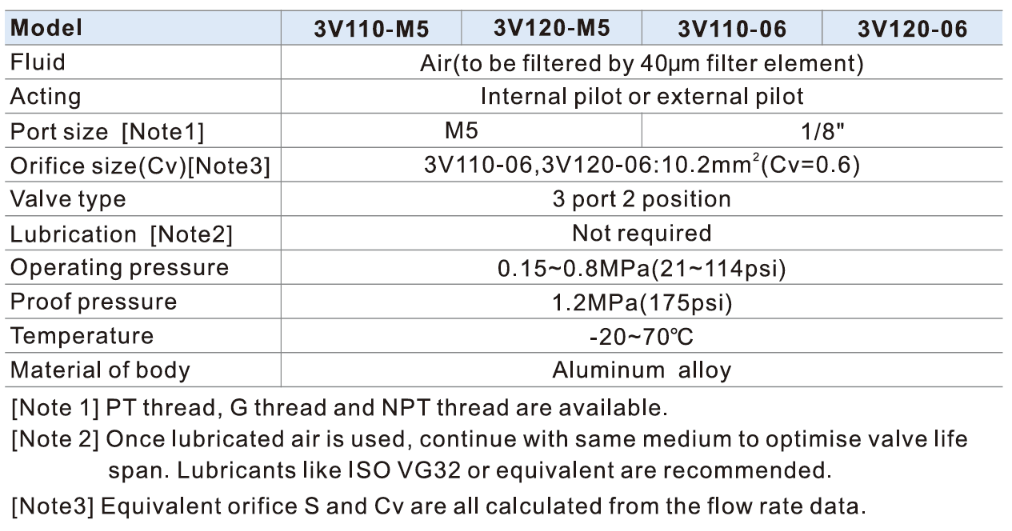
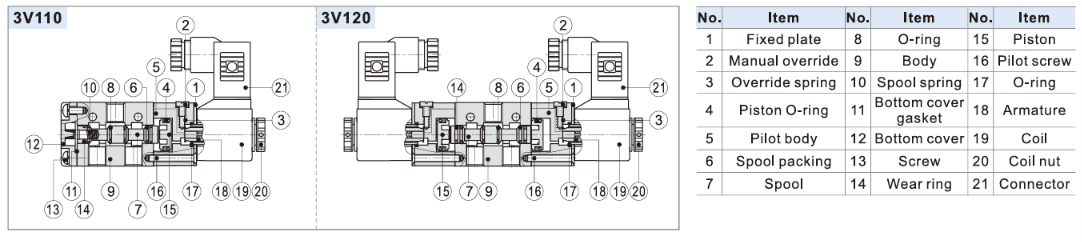
The AirTAC 3V series is a 3-port, 2-position (3/2-way) solenoid valve, designed for simple pneumatic systems.
- Structure: 3 ports (in – out – exhaust)
- Function: On/off control of one-way airflow
- Application: Single-acting cylinder
- Port size: M5 or 1/8”
- Cv: Low flow rate, suitable for small air consumption
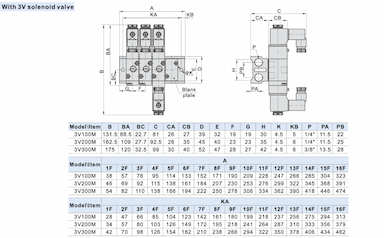
👉 According to the 3V100 catalog, this valve features a compact design, operates under 0.15 – 0.8 MPa pressure, and is ideal for simple control systems.
AirTAC 4V Series – 5/2 & 5/3-Way Solenoid Valve
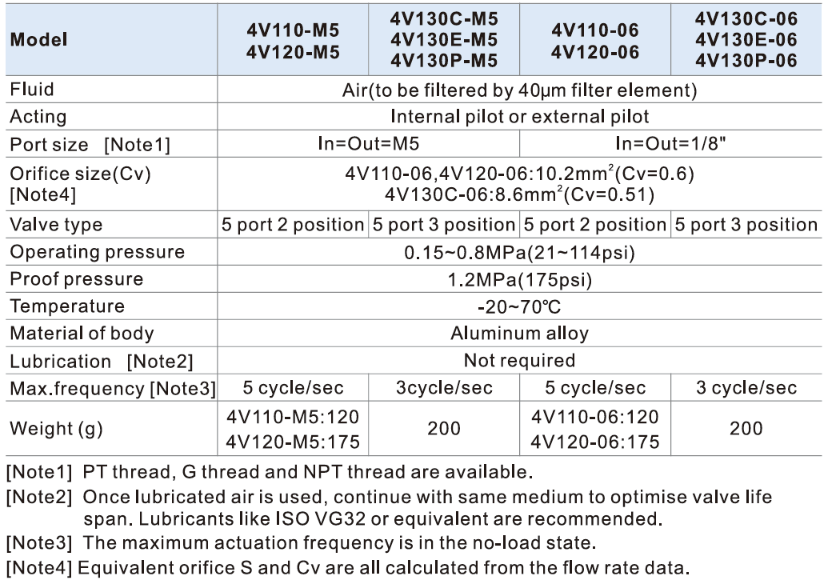
The AirTAC 4V series is a 5-port, 2-position or 3-position (5/2, 5/3-way) solenoid valve, widely used in industrial applications.
- Structure: 5 ports (1 supply – 2 working – 2 exhaust)
- Function: Directional control of airflow (reverse motion)
- Application: Double-acting cylinder
- Port size: 1/8” – 1/4”
- Cv: Medium to high flow rate
👉 According to the 4V100 catalog, this series is designed for automation systems requiring higher airflow capacity and more complex control functions.
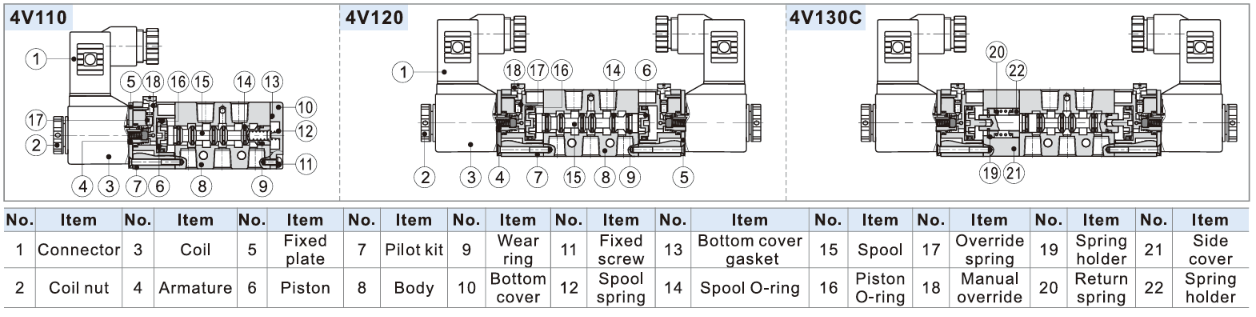
2. Detailed Comparison Between 3V and 4V Series
2.1 Port Structure
- 3V: 3 ports – 2 positions
- 4V: 5 ports – 2 or 3 positions
👉 The 4V series is more complex and offers greater control flexibility.
2.2 Compatible Cylinder Type
- 3V → Single-acting cylinder
- 4V → Double-acting cylinder
👉 This is the most important difference when selecting a valve.
2.3 Working Principle
3V Series:
- Controls airflow in one direction
- Does not reverse piston movement
4V Series:
- Reverses piston direction (extend/retract)
- Can hold a middle position (5/3-way)
2.4 Flow Rate (Cv) & Port Size
3V Series:
- Port size: M5 / 1/8”
- Low Cv → suitable for small loads
4V Series:
- Port size: 1/8” – 1/4”
- Higher Cv → suitable for industrial systems
👉 Higher Cv means higher airflow and faster cylinder speed.
2.5 Practical Applications
3V Series:
- Mini packaging machines
- Simple pneumatic systems
- Small automation devices
4V Series:
- Production lines
- Industrial robots
- CNC machines and automation systems
3. Should You Choose 3V or 4V?
Choose 3V if:
- The system is simple
- You only need single-acting cylinders
- Low airflow is required
- Cost efficiency is a priority
Choose 4V if:
- The system is automated
- You use double-acting cylinders
- Piston reversal is required
- High speed and stable performance are needed
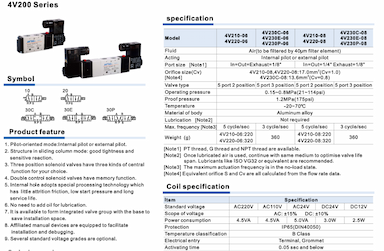
How to Select AirTAC Solenoid Valves from A-Z (With Technical Guidance)

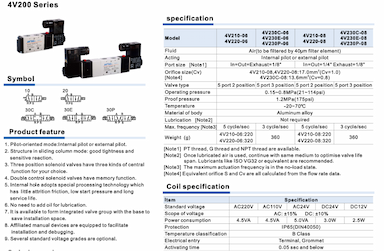
AirTAC Pneumatic Combo Solution – Valve + Cylinder + Air Filter
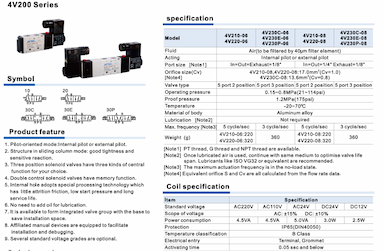
Where to Buy Genuine AirTAC Pneumatic Valves – Trusted Suppliers
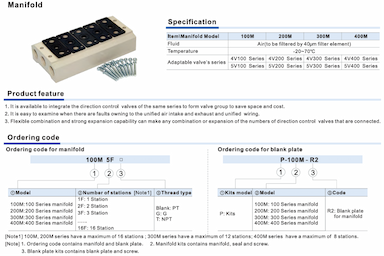
Latest AirTAC Solenoid Valve Price List – 2026 Update
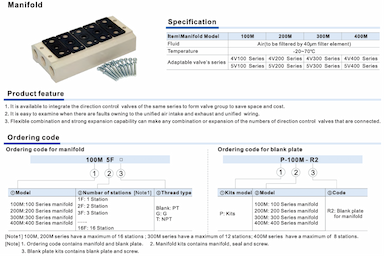
AirTAC Solenoid Valve Accessories – Quick Connects, Silencers, and Sub-Bases
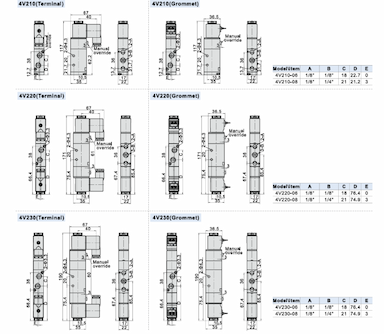
Top-Selling AirTAC 4V Series Solenoid Valve Models in 2026
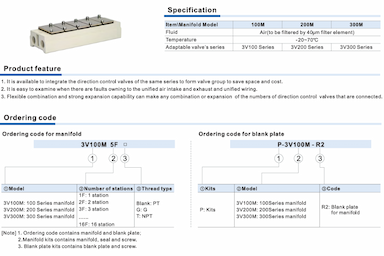
AirTAC Solenoid Valve Catalog – Full Guide to Download and Use the PDF
Complete AirTAC Solenoid Valve Specification Table – Your Ultimate Guide
AirTAC Solenoid Valve Maintenance Checklist – Troubleshooting Guide
Solenoid Valve Vibration and Noise – Quick Troubleshooting Guide for Pneumatic Systems