


Comparing AirTAC and SMC Solenoid Valves – Which One to Choose for Your Production Line?
Jun 27 2026Detailed comparison of AirTAC and SMC solenoid valves including port size, Cv, valve body, applications, and pricing to help choose the right valve for automation and industrial production lines.
In pneumatic and automation systems, selecting the right solenoid valve is crucial to ensure stable operation, optimal speed, and long equipment lifespan. The two most common brands in the market are AirTAC and SMC, each with its own advantages and disadvantages in terms of structure, functionality, and application. This article will help engineers, production managers, and users understand the differences between AirTAC and SMC solenoid valves, and choose the right valve for their production needs.
1. Overview of AirTAC and SMC
1.1 AirTAC
- A well-known brand in small to medium automation systems.
- Advantages: Lightweight aluminum body, easy installation, cost-effective, and easy to maintain.
- Popular series: 3V, 4V, 5V.
- Suitable for single- or double-acting cylinders and medium-speed applications.
1.2 SMC
- A premium solenoid valve brand, widely used in heavy industrial applications.
- Advantages: High durability, high precision, multiple advanced models, capable of handling high pressure and flow.
- Ideal for industrial systems requiring high precision and reliability.
2. Comparison Criteria Between AirTAC and SMC
2.1 Material and Valve Body
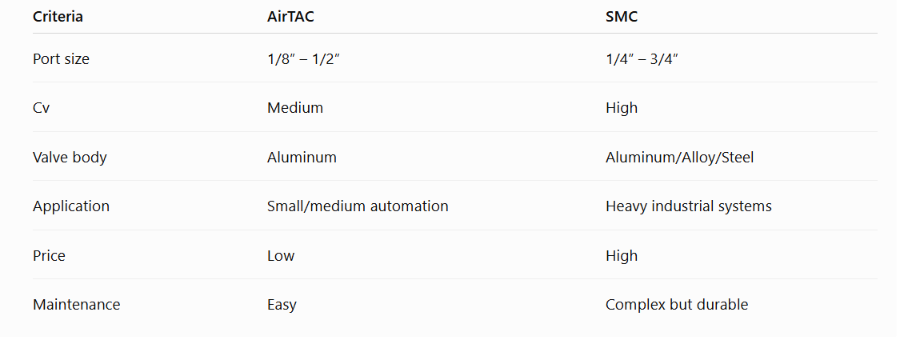
- AirTAC: Aluminum body, lightweight, easy to install, suitable for medium-sized cylinders.
- SMC: Aluminum alloy or steel body, better pressure and heat resistance.H3: 2.2 Port Size and Airflow (Cv)
- AirTAC: Port size 1/8” – 1/2”, medium Cv, suitable for small to medium automation lines.
- SMC: Larger port sizes, higher Cv → supports higher airflow and faster cylinder operation.
2.3 Operating Principle
- Both brands offer 3/2, 5/2, and 5/3-way valves.
- AirTAC: Pilot-operated, simple design, easy to replace.
- SMC: Multiple advanced models, customizable operating modes.
2.4 Price and Maintenance
- AirTAC: Lower price, easy maintenance, widely available accessories.
- SMC: Higher price, more complex maintenance, but more durable and stable.
3. When to Choose AirTAC
- Suitable for small to medium systems, moderate airflow requirements.
- When quick installation and lower cost are priorities.
- 3V/4V/5V series meets basic automation needs.
- Ideal for single- or double-acting cylinders with moderate speed.
4. When to Choose SMC
- Suitable for heavy industrial systems, high pressure and flow.
- When high precision and long-term durability are required.
- For large double-acting cylinders or complex control applications.
- Needed for advanced functions or custom valve requirements.
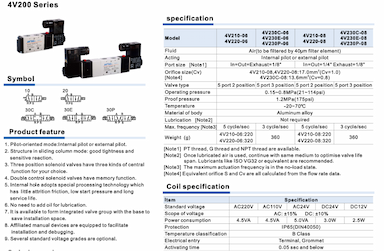
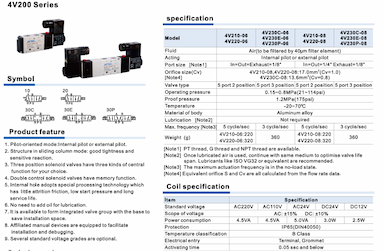
5. Visual Comparison of AirTAC and SMC
6. Tips When Selecting Valves for Production Lines
- Determine the port size and Cv suitable for the cylinder.
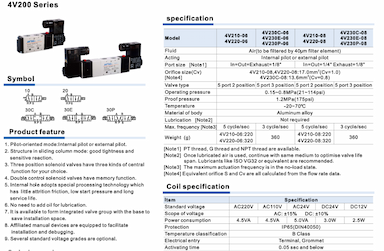
- Choose the correct series/model according to the catalog.
- Check coil voltage (AC/DC) and plug type (vertical/parallel).
- Consider the environment and temperature to avoid coil overload.
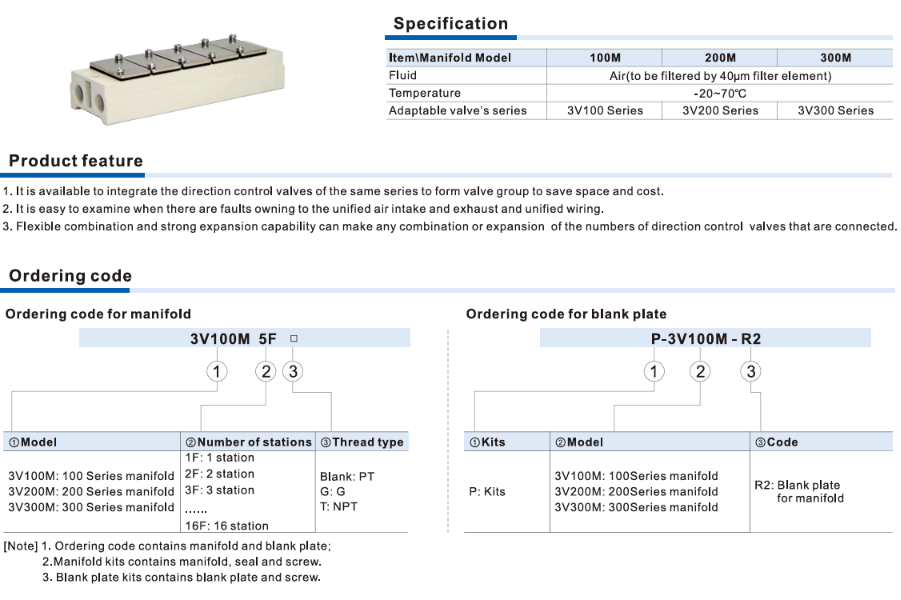
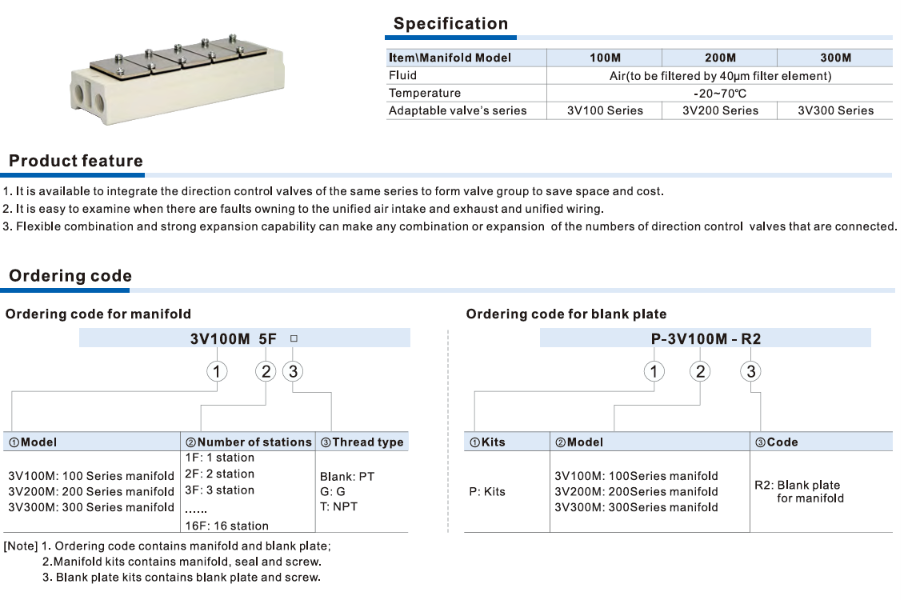
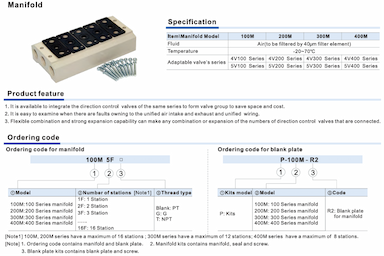
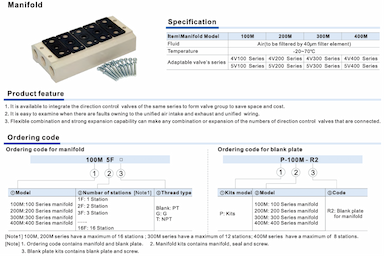
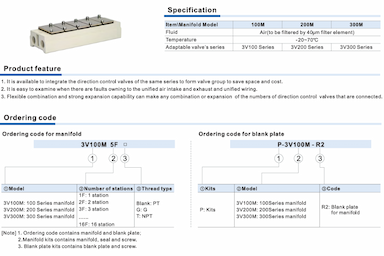
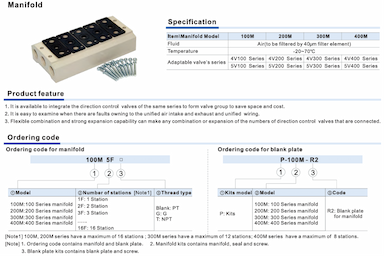
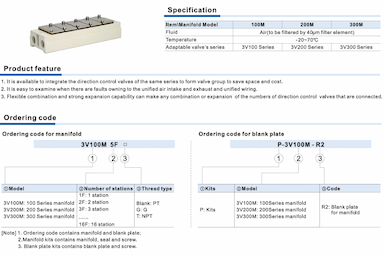
- When using a manifold, all valves should have the same series and port size.
Related Post
How to Select AirTAC Solenoid Valves from A-Z (With Technical Guidance)

AirTAC Pneumatic Combo Solution – Valve + Cylinder + Air Filter
Where to Buy Genuine AirTAC Pneumatic Valves – Trusted Suppliers
Latest AirTAC Solenoid Valve Price List – 2026 Update
AirTAC Solenoid Valve Accessories – Quick Connects, Silencers, and Sub-Bases
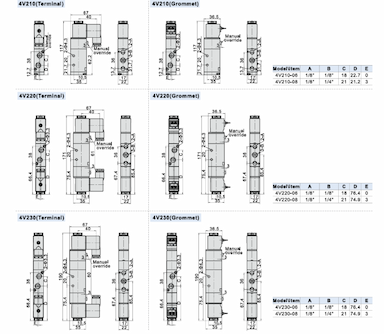
Top-Selling AirTAC 4V Series Solenoid Valve Models in 2026
AirTAC Solenoid Valve Catalog – Full Guide to Download and Use the PDF
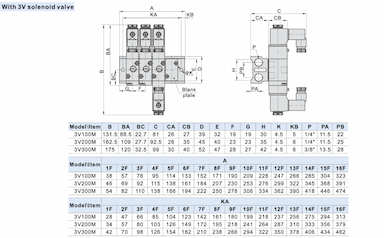
Complete AirTAC Solenoid Valve Specification Table – Your Ultimate Guide
AirTAC Solenoid Valve Maintenance Checklist – Troubleshooting Guide
Solenoid Valve Vibration and Noise – Quick Troubleshooting Guide for Pneumatic Systems