


What is Port Size? How to Choose 1/8, 1/4, 3/8, or 1/2 Inch for Solenoid Valves
Jun 13 2026Learn how to select the correct port size for solenoid valves, including 1/8, 1/4, 3/8, and 1/2 inch options, to ensure optimal airflow, system efficiency, and reliable operation in pneumatic automation systems. This guide helps you match the right valve to your requirements and maximize performance.
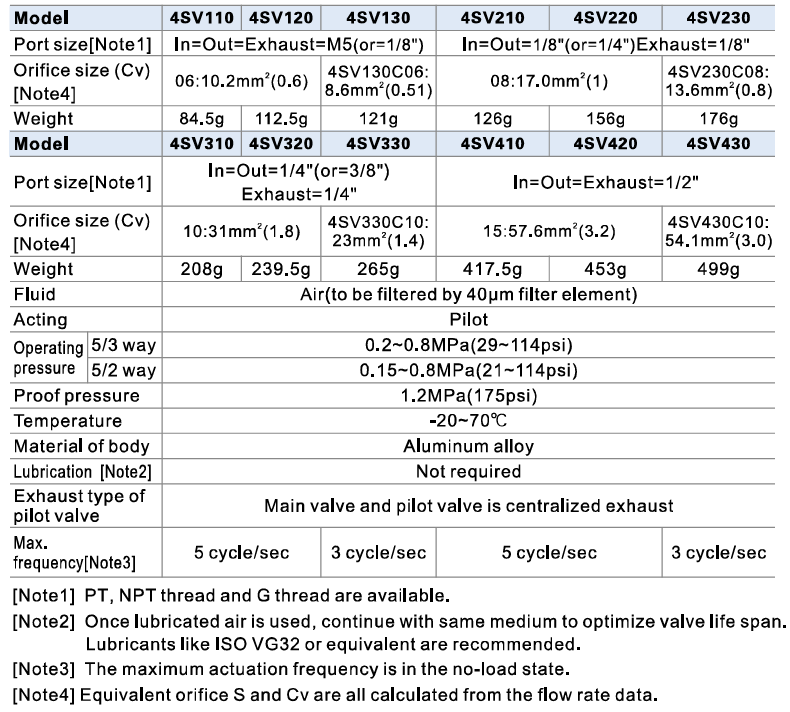
In pneumatic and automation systems, selecting the correct port size for solenoid valves is a critical factor. Port size directly affects airflow (Cv), operating pressure, and overall system efficiency. This article will help you understand what port size is, the common thread sizes on AirTAC solenoid valves, how to select the right port size, and guidance for proper installation and connection.
1. Concept of Port Size
Definition
Port size refers to the connection diameter between the solenoid valve and the pipeline or cylinder. It is a fundamental specification that determines the maximum airflow the valve can deliver. Choosing the right port size ensures stable valve operation, prevents leaks, and reduces pressure drop. To understand the internal structure and port locations, you can refer to the construction of AirTAC solenoid valves.
Importance
Selecting the correct port size is crucial to:
- Ensure sufficient airflow through the valve to operate cylinders or devices.
- Minimize pressure drops and energy loss in the pipeline.
- Extend valve lifespan and reduce maintenance costs.
2. Common Port Sizes on AirTAC Solenoid Valves
AirTAC provides valves with different port sizes, depending on the model and series, to meet varying airflow requirements:
- 1/8 inch: Used for small valves with low airflow, suitable for mini cylinders.
- 1/4 inch: Medium port size, common for small to medium automation systems.
- 3/8 inch: Higher airflow, suitable for models like 4SV210, 7SV220, or systems requiring more air.
- 1/2 inch: Very high airflow, used for heavy-duty valves such as 4SV310, 7SV310, or industrial systems.
3. Selecting Port Size by AirTAC Model
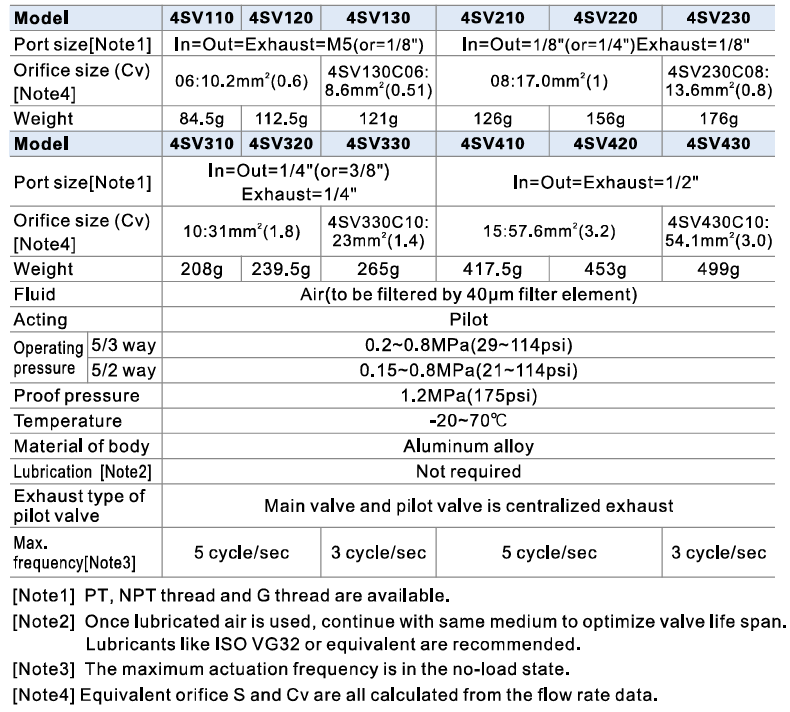
4SV Series
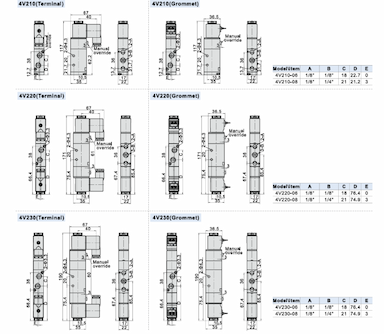
- Models: 4SV110, 4SV120, 4SV130, 4SV210, 4SV220, 4SV230, 4SV310, etc.
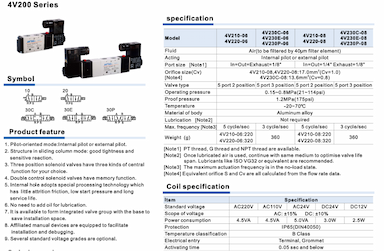
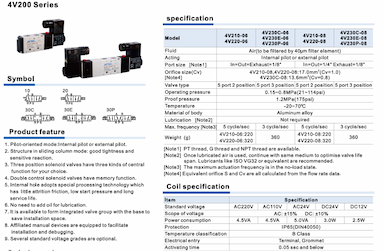
- Check the Port size and Orifice size (Cv) columns in the specification table to select the port that meets your system's airflow and pressure requirements.
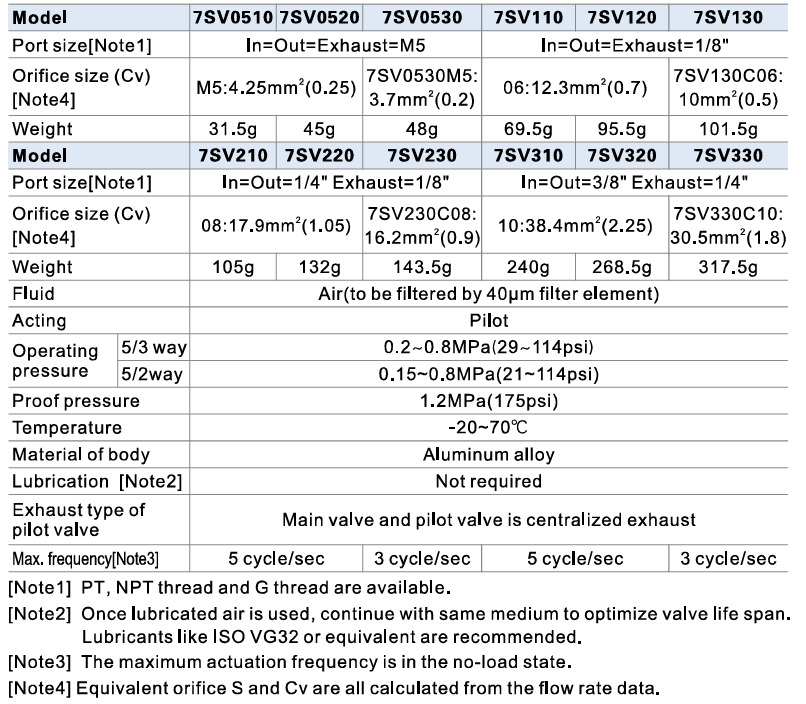
7SV Series
- Models: 7SV050, 7SV100, 7SV110, 7SV210, 7SV220, 7SV310, etc.
- Port sizes are similar but generally used for systems with higher airflow and pressure demands.
Selection Notes
- Larger port size → higher airflow, but requires compatible piping and accessories.
- Choosing a port size smaller than system requirements → may cause excessive pressure drop and insufficient airflow.
- Choosing a port size too large → higher cost and underutilized airflow.
4. Installation and Connection Guidelines
- Use the correct thread according to the catalog: M5, 1/8, 1/4, 3/8, 1/2 inch.
- Tighten screws with the proper torque to avoid air leakage.
- When connecting the coil, pay attention to vertical plug wire or parallel plug wire for proper valve operation.
- Do not use a port size smaller than the system requirement → avoids reduced performance and overheating of the coil.
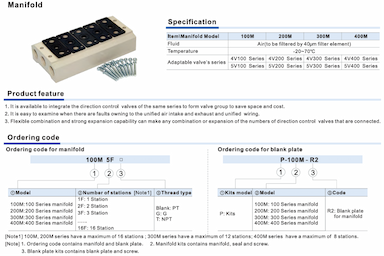
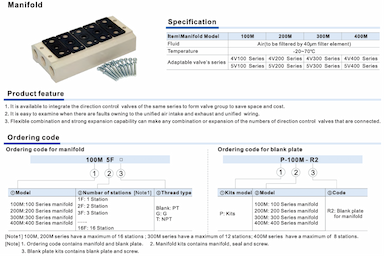
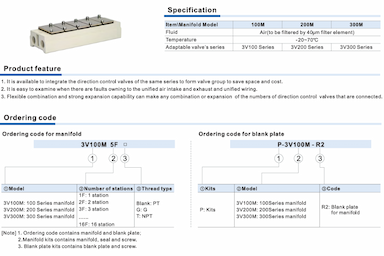
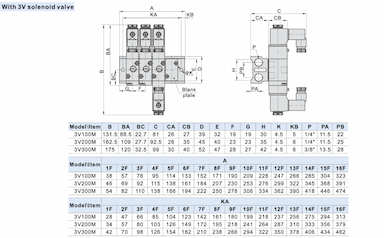
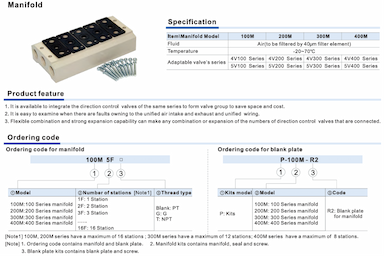
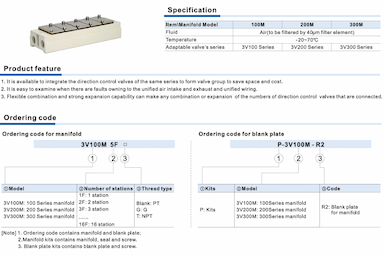
- When using a manifold, ensure that all connected valves have compatible port sizes.
5. Recommendations and Best Practices
- Always refer to the official catalog to verify the port size and Cv for each model.
- For new systems, determine the maximum airflow and working pressure before selecting the port size.
- For system upgrades, if higher airflow is needed, consider increasing the port size rather than just increasing system pressure.
How to Select AirTAC Solenoid Valves from A-Z (With Technical Guidance)

AirTAC Pneumatic Combo Solution – Valve + Cylinder + Air Filter
Where to Buy Genuine AirTAC Pneumatic Valves – Trusted Suppliers
Latest AirTAC Solenoid Valve Price List – 2026 Update
AirTAC Solenoid Valve Accessories – Quick Connects, Silencers, and Sub-Bases
Top-Selling AirTAC 4V Series Solenoid Valve Models in 2026
AirTAC Solenoid Valve Catalog – Full Guide to Download and Use the PDF
Complete AirTAC Solenoid Valve Specification Table – Your Ultimate Guide
AirTAC Solenoid Valve Maintenance Checklist – Troubleshooting Guide
Solenoid Valve Vibration and Noise – Quick Troubleshooting Guide for Pneumatic Systems