


Causes of AirTAC Solenoid Valve Coil Failure and How to Fix It
Jun 25 2026Learn the causes of AirTAC solenoid valve coil failure, common installation errors, and how to fix them to ensure stable operation with correct port size and Cv in pneumatic systems.
In pneumatic and automation systems, AirTAC solenoid valves are critical for controlling cylinders, actuators, and other pneumatic devices. However, improper installation or operation can lead to coil (solenoid) failure, causing the valve to fail to actuate, cylinders to stall, reduced performance, or even damage to the entire system. This article explains the common causes of solenoid coil failure and provides guidance on how to prevent and fix these issues.
1. Introduction to Solenoid Coils
- The coil is the key component of a solenoid valve, generating a magnetic field that moves the piston or spool.
- If the coil is damaged or burned, the valve will not actuate, cylinders will lose control, and the system efficiency will drop.
- Understanding the coil helps prevent damage, reduce maintenance costs, and extend valve lifespan.
2. Common Causes of Coil Failure
2.1 Incorrect Voltage
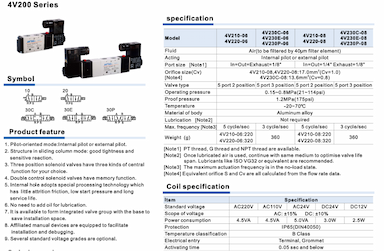
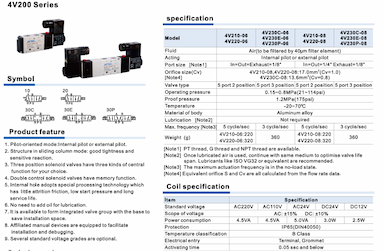
- Using the wrong voltage for the coil (AC220V, AC110V, DC24V, DC12V) can overload the coil and cause it to burn.
- Fix: Verify the AirTAC catalog and select the correct voltage according to the valve model and system supply.
2.2 Valve Stuck or Operated Too Long
- If the valve spool or piston is stuck or contaminated with dust or oil, the coil remains energized continuously, generating excessive heat.
- Fix: Perform regular cleaning and install an air filter ≤ 40 μm.
2.3 Improper Coil Connection
- Common mistakes include incorrect vertical or parallel plug wiring.
- Using the wrong voltage may cause the coil to overheat or burn.
- Fix: Connect the coil according to the catalog, ensuring correct wiring and voltage.
2.4 Environmental and Temperature Factors
- Operating the valve continuously in temperatures exceeding 60°C can overheat the coil.
- Fix: Maintain ambient temperature ≤ 60°C and install cooling fans if necessary.
2.5 Wrong Series or Model Installed
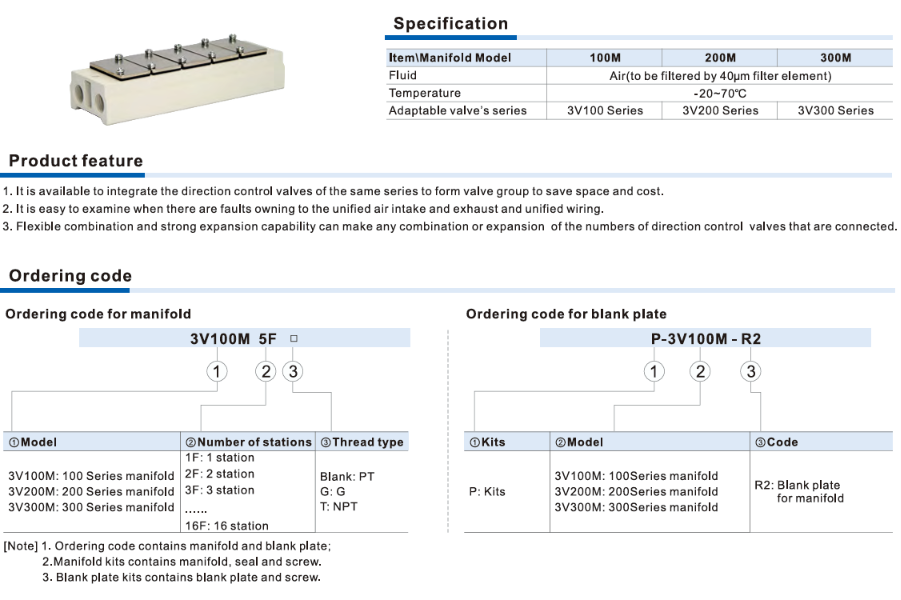
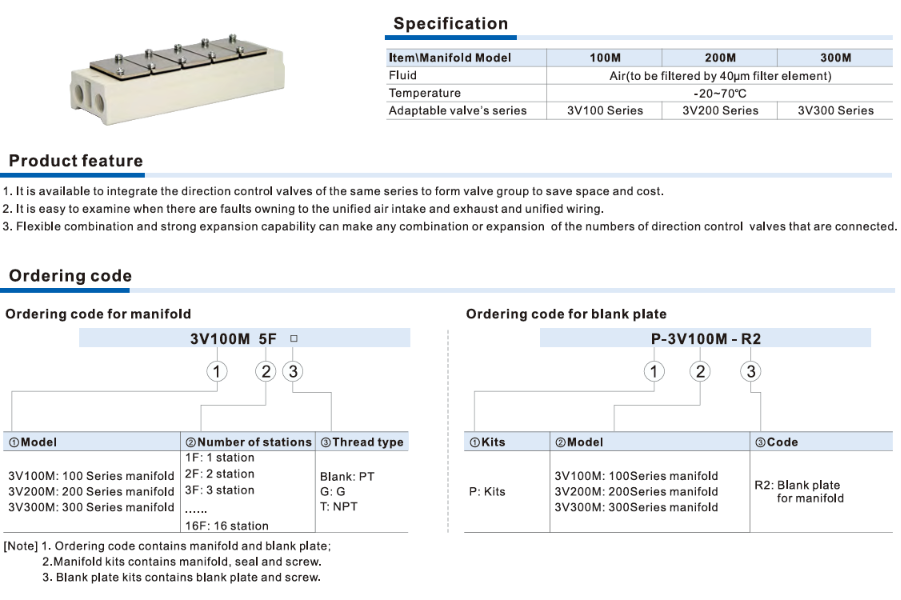
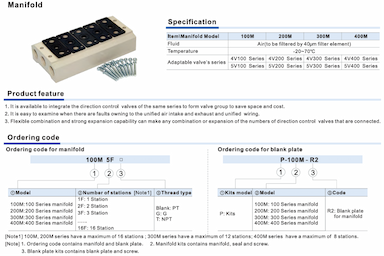
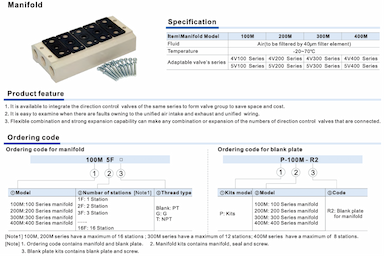
- Installing a 3V valve on a 4V manifold causes pressure and flow mismatch, overloading the coil.
- Fix: Verify the catalog and choose the correct series (3V/4V/5V) and model for your application.
3. How to Fix a Burned Solenoid Coil
3.1 Check Port Size and Cv
- Ensure the port size and Cv are compatible with the cylinder and system requirements.
- Reference the AirTAC catalog to select the correct valve model.
3.2 Inspect and Replace Seals and Pistons
- Clean or replace worn seals.
- Clean piston/spool to remove dust and oil.
- Prevent the coil from overheating due to a stuck spool.
3.3 Proper Installation Techniques
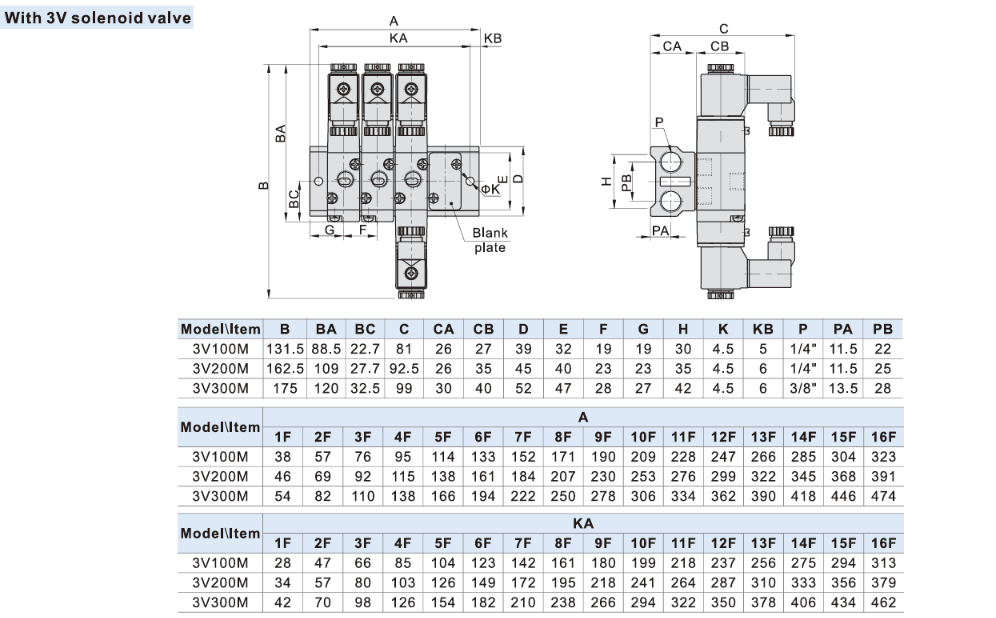
- Tighten screws to the correct torque to avoid cracking the valve body or threads.
- Connect the coil correctly using vertical or parallel plug wiring.
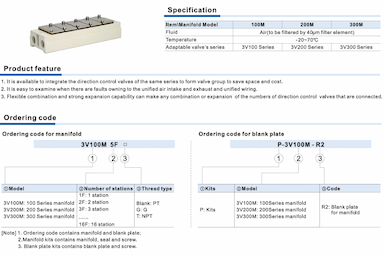
- When using a manifold, all valves must be of the same series and port size.
3.4 Regular Maintenance and Air Filtration
- Install an air filter ≤ 40 μm to prevent dust and oil contamination.
- Regularly clean the spool, piston, and pneumatic lines.
- Inspect the manifold and system periodically.
3.5 Use Correct Series and Model
- Use the correct series (3V, 4V, 5V) for your system.
- Avoid mixing different series on the same manifold to maintain consistent pressure and flow.
4. Common Mistakes Leading to Coil Burnout
- Incorrect port size/Cv: cylinder moves slowly, valve vibrates, pressure drop occurs.
- Wrong series or model: valves are not synchronized, reducing system performance.
- Wrong coil voltage: valve fails to actuate or coil overheats.
- Not consulting the catalog: incorrect installation, reduced valve lifespan.
Related Post
How to Select AirTAC Solenoid Valves from A-Z (With Technical Guidance)

AirTAC Pneumatic Combo Solution – Valve + Cylinder + Air Filter
Where to Buy Genuine AirTAC Pneumatic Valves – Trusted Suppliers
Latest AirTAC Solenoid Valve Price List – 2026 Update
AirTAC Solenoid Valve Accessories – Quick Connects, Silencers, and Sub-Bases
Top-Selling AirTAC 4V Series Solenoid Valve Models in 2026
AirTAC Solenoid Valve Catalog – Full Guide to Download and Use the PDF
Complete AirTAC Solenoid Valve Specification Table – Your Ultimate Guide
AirTAC Solenoid Valve Maintenance Checklist – Troubleshooting Guide
Solenoid Valve Vibration and Noise – Quick Troubleshooting Guide for Pneumatic Systems