


Common Installation Errors of Solenoid Valves and How to Fix Them
Jun 21 2026In pneumatic and automation systems, solenoid valves are essential devices for controlling cylinders, actuators, and other pneumatic equipment. Incorrect installation can lead to air leakage, valve not actuating, vibration, reduced performance, or coil damage, directly affecting system efficiency and equipment lifespan. This article summarizes the common installation errors for AirTAC solenoid valves and provides guidance on troubleshooting, along with suggested catalog and real-life images for SEO.
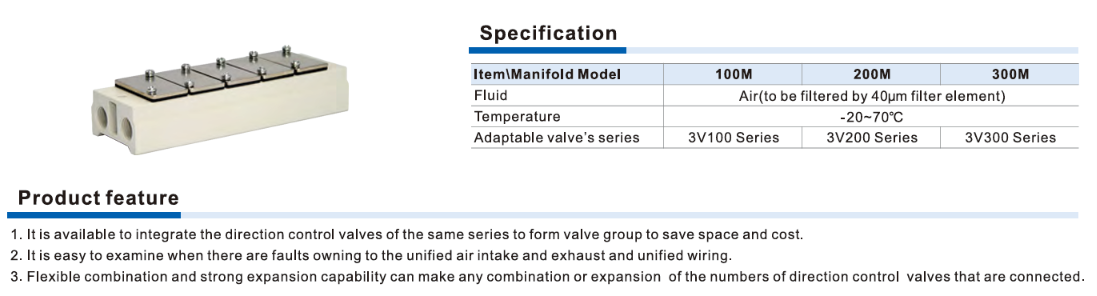
In pneumatic and automation systems, solenoid valves are essential devices for controlling cylinders, actuators, and other pneumatic equipment. Incorrect installation can lead to air leakage, valve not actuating, vibration, reduced performance, or coil damage, directly affecting system efficiency and equipment lifespan. This article summarizes the common installation errors for AirTAC solenoid valves and provides guidance on troubleshooting, along with suggested catalog and real-life images for SEO.
1. Overview of AirTAC Solenoid Valves
AirTAC solenoid valves are automatic pneumatic control devices used to supply or exhaust air to cylinders and other pneumatic components. Common series include:
- 3V Series: 3 ports – 2 positions, designed for single-acting cylinders.
- 4V Series: 5 ports – 2/3 positions, designed for double-acting cylinders.
- 5V Series: Industrial-grade valves with high flow and pressure.
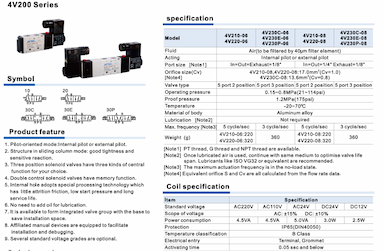
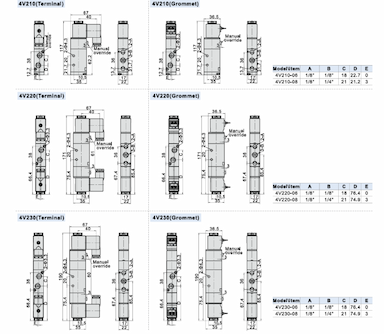
Each AirTAC valve has different port sizes and Cv depending on the model, which determines cylinder speed and force. Correctly installing the valve with the proper port size and Cv is the first step to preventing operational issues.
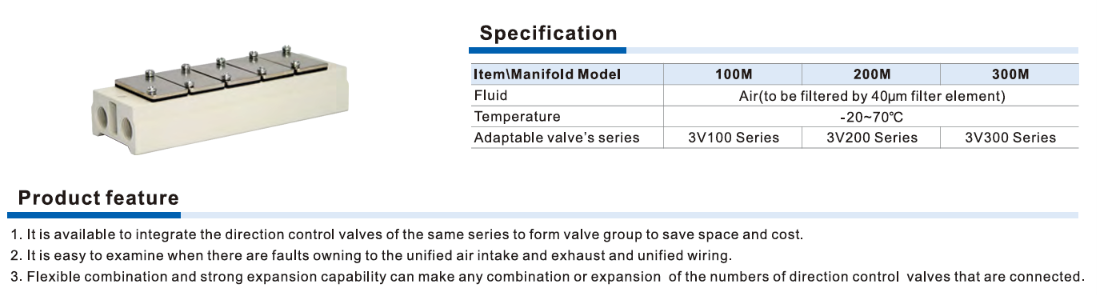
2. Common Installation Errors
2.1 Incorrect Port Size or Cv Selection
- Cause: Engineers or installers select port size or Cv incompatible with the cylinder or system pressure.
- Consequences:Slow cylinder operation, insufficient force
- Delayed valve response, vibration, or valve fails to actuate
- High pressure drop → reduced pneumatic efficiency
- Fix:Check the AirTAC catalog before selecting a model
- Choose port size and Cv compatible with cylinder requirements and desired speed
2.2 Over-tightening or Under-tightening Screws
- Over-tightening: Can crack the valve body or damage threads → air leaks or valve damage
- Under-tightening: Air leaks, valve may not operate properly
- Fix:Use correct torque as specified in the catalog
- Use a torque wrench to ensure accurate tightening
2.3 Incorrect Coil Connection
- Common mistakes: Wrong coil type, wrong connection of vertical or parallel plug wire
- Consequences: Valve fails to actuate, coil overheats or burns
- Fix:Select correct voltage: AC220V, AC110V, DC24V, or DC12V
- Use the correct coil type and connect according to catalog instructions
2.4 Installing Wrong Series or Model
- Installing valves from different series → pressure and flow mismatch
- Installing a valve too small → insufficient flow, slow piston
- Installing a valve too large → higher cost, oversized piping
2.5 Environmental Contamination
- Unfiltered air → dust or oil can jam the spool
- Lack of regular cleaning → slow piston movement, delayed valve response
3. Principles for Troubleshooting and Prevention
3.1 Check Catalog Before Installation
- Determine port size, Cv, and maximum pressure
- Select valves according to cylinder size and required speed
3.2 Correct Torque Application
- Use a torque wrench to tighten screws to specification
- Avoid deforming the valve body or cracking threads
3.3 Proper Coil Connection
- Select correct voltage and coil type
- Connect vertical or parallel plug wire correctly
- Test valve before applying full system pressure
3.4 Air Filtering and Regular Maintenance
- Use an air filter ≤ 40 μm to prevent dust contamination
- Regularly clean valves, spools, and pistons
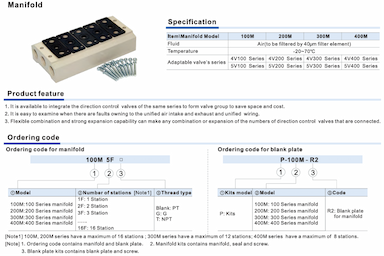
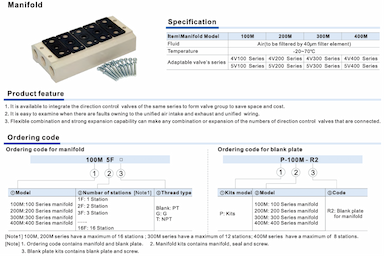
- Inspect valves and manifolds periodically
3.5 Correct Series Selection
- Do not mix different series on the same system
- Use the correct 3V / 4V / 5V series to ensure port size, Cv, and pressure compatibility
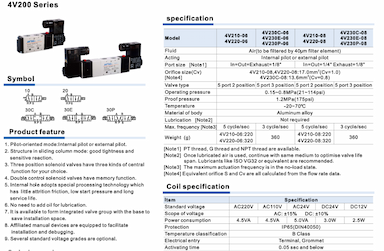
How to Select AirTAC Solenoid Valves from A-Z (With Technical Guidance)

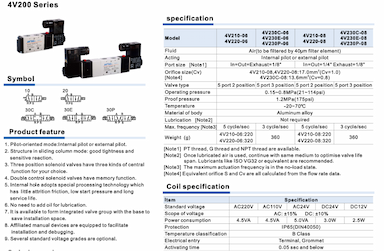
AirTAC Pneumatic Combo Solution – Valve + Cylinder + Air Filter
Where to Buy Genuine AirTAC Pneumatic Valves – Trusted Suppliers
Latest AirTAC Solenoid Valve Price List – 2026 Update
AirTAC Solenoid Valve Accessories – Quick Connects, Silencers, and Sub-Bases
Top-Selling AirTAC 4V Series Solenoid Valve Models in 2026
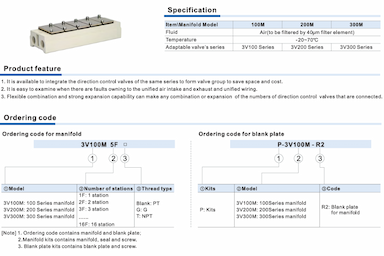
AirTAC Solenoid Valve Catalog – Full Guide to Download and Use the PDF
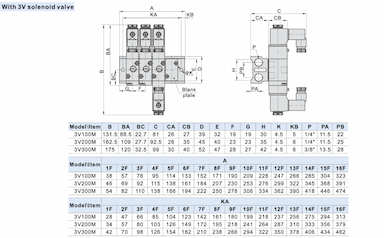
Complete AirTAC Solenoid Valve Specification Table – Your Ultimate Guide
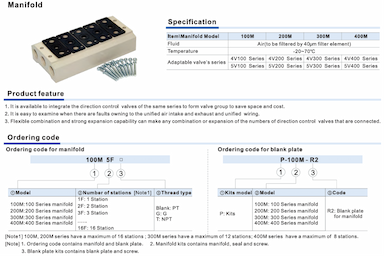
AirTAC Solenoid Valve Maintenance Checklist – Troubleshooting Guide
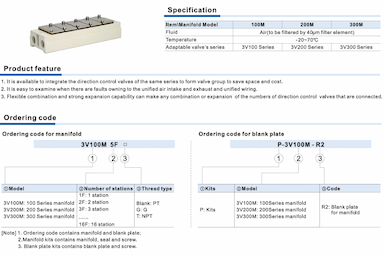
Solenoid Valve Vibration and Noise – Quick Troubleshooting Guide for Pneumatic Systems