


What Is a Guided Pneumatic Cylinder?
May 15 2026Guided cylinders improve stability and anti-rotation performance in pneumatic automation systems. This article explains when to use guided cylinders and their practical advantages and disadvantages.
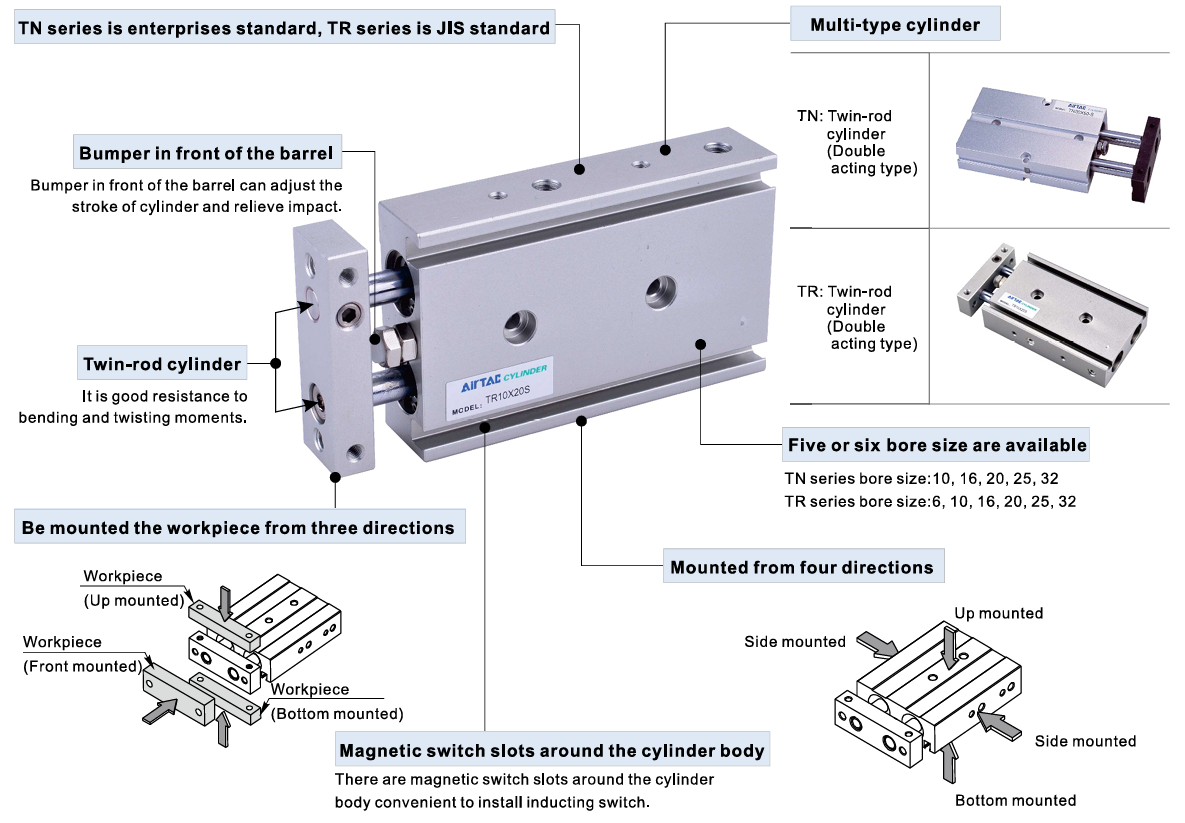
What Is a Guided Cylinder?
A guided cylinder is a type of pneumatic cylinder equipped with:
- Guide rods
- Or an integrated guiding mechanism
to improve:
- Anti-rotation performance
- Motion stability
- Vibration reduction
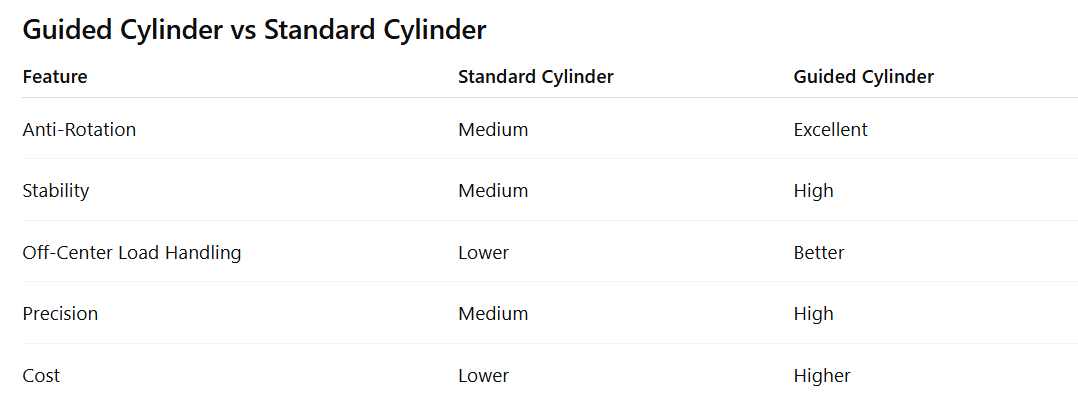
👉 Compared to standard pneumatic cylinders, guided cylinders offer:
- Better resistance to off-center loads
- More precise linear movement
- Improved stability in automation systems
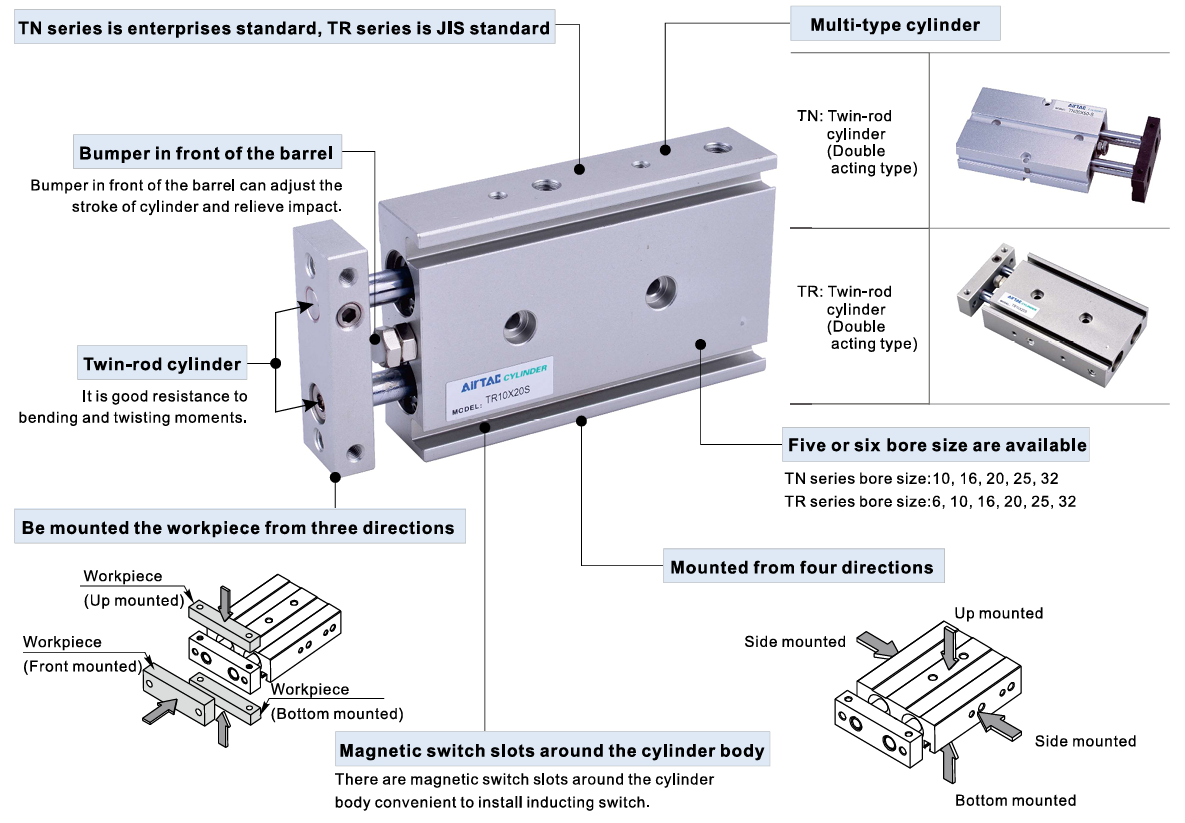
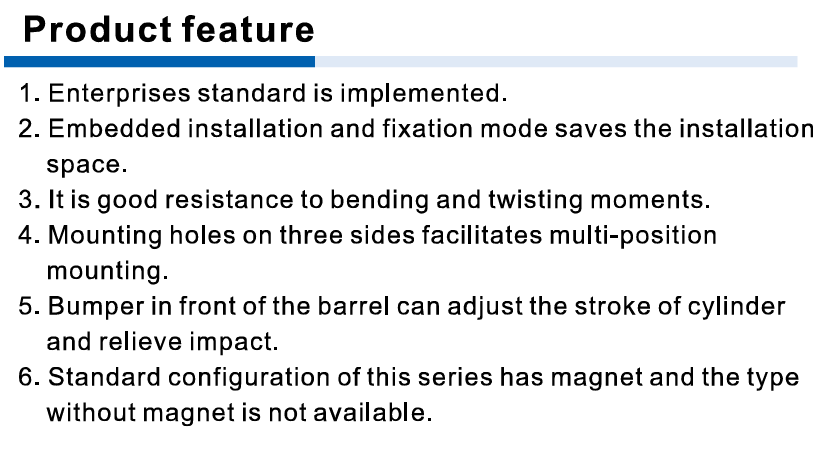
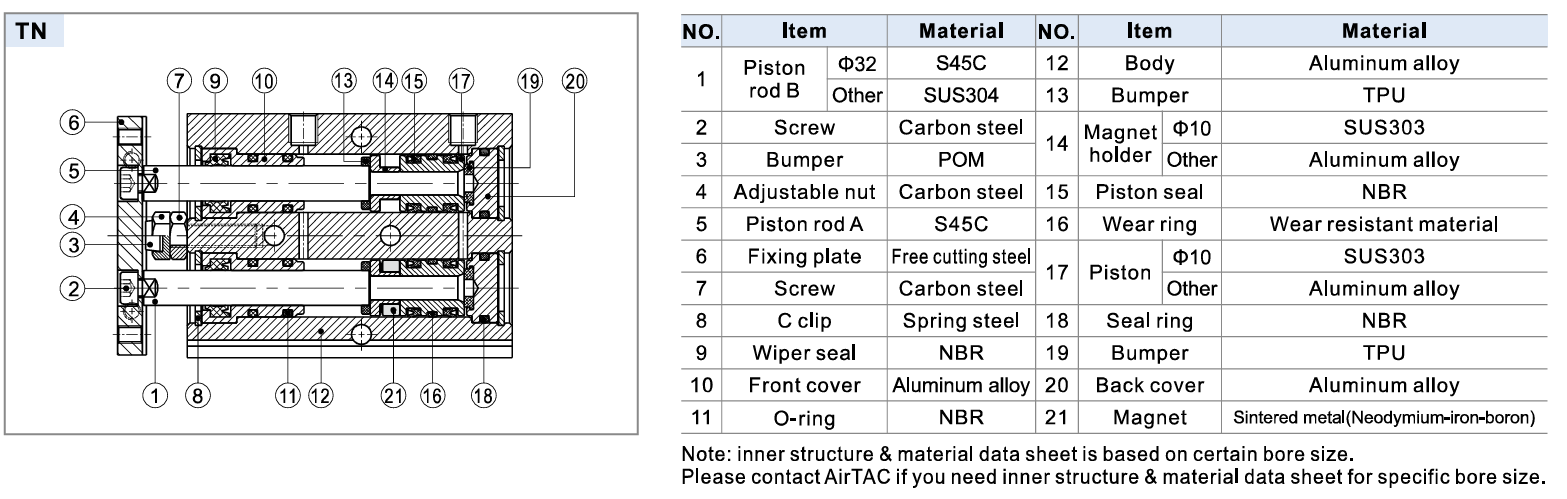
Why Use Guided Cylinders?
Prevent Load Rotation
Standard cylinders:
- Can rotate when handling off-center loads
Meanwhile:
- Guided cylinders provide excellent anti-rotation performance
👉 This is one of the biggest advantages of guided cylinders.
Improve Stability
Guide rods help:
- Maintain stable linear motion
- Reduce vibration
- Improve accuracy
Better Off-Center Load Handling
Guided cylinders are ideal for:
- Side loads
- Off-center loads
- High-precision movement systems
Common Applications of Guided Cylinders
Pick & Place Systems
Guided cylinders help:
- Keep products stable
- Prevent rotation during movement
Automatic Jigs
In systems requiring:
- Product clamping
- Precision positioning
👉 Guided cylinders perform better than standard cylinders.
Packaging Machines
For applications involving:
- High-speed movement
- Product transfer
- Repetitive positioning
→ Guided cylinders significantly reduce vibration.
Mini Robots and Electronics Equipment
Guided cylinders are commonly used in:
- Mini robotic systems
- Electronics assembly equipment
- Compact automation systems
Advantages of Guided Cylinders
Excellent Vibration Reduction
Guide rods help:
- Reduce shaking during movement
High Precision
Perfect for:
- Jigs
- Pick & place systems
- Automation equipment
Better Side-Load Capacity
Compared to standard cylinders:
- Guided cylinders handle side loads much better.
More Stable Operation
Especially in:
- Long stroke applications
- High-speed systems
👉 Guided cylinders are noticeably more stable.
Disadvantages of Guided Cylinders
Higher Cost
Because:
- The structure is more complex
- Additional guide rods are required
→ Guided cylinders are usually more expensive than standard cylinders.
Larger Overall Size
Guided cylinders:
- Are wider
- Heavier than compact cylinders
👉 Not ideal for every small machine design.
Unnecessary for Simple Applications
If:
- The load is light
- Motion is simple
- Anti-rotation is unnecessary
👉 Standard SC cylinders or compact cylinders are usually more economical.
👉 Guided cylinders are ideal for:
- Automation systems
- Precision movement
- Off-center loading applications
When Should You NOT Use Guided Cylinders?
You may not need guided cylinders if:
- The load is very light
- Motion is simple
- There are no side loads
- Cost optimization is important
👉 In these situations:
- SC cylinders
- Or compact cylinders
are usually better choices.
Are Guided Cylinders Worth Using?
👉 YES, if your system:
- Experiences vibration
- Has off-center loads
- Requires anti-rotation
- Needs high precision
👉 Guided cylinders are excellent for:
- Automation machines
- Industrial jigs
- Pick & place systems
Conclusion
Guided cylinders are an effective solution for systems requiring:
- Anti-rotation
- Stable movement
- High positioning accuracy
Compared to standard cylinders:
- Guided cylinders offer better stability
- Better load handling
- But also higher cost
👉 If your automation system requires precise and vibration-free movement, the AirTAC TN/TR guided cylinder series is definitely worth considering.
How to Select AirTAC Solenoid Valves from A-Z (With Technical Guidance)

AirTAC Pneumatic Combo Solution – Valve + Cylinder + Air Filter
Where to Buy Genuine AirTAC Pneumatic Valves – Trusted Suppliers
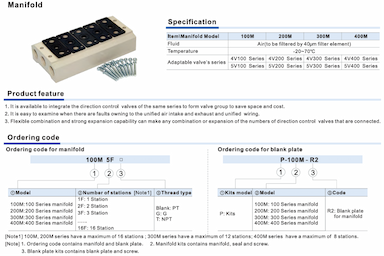
Latest AirTAC Solenoid Valve Price List – 2026 Update
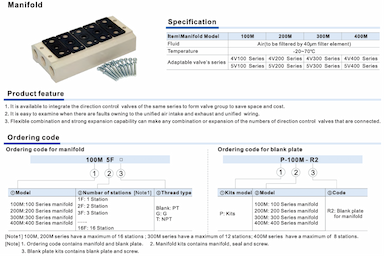
AirTAC Solenoid Valve Accessories – Quick Connects, Silencers, and Sub-Bases
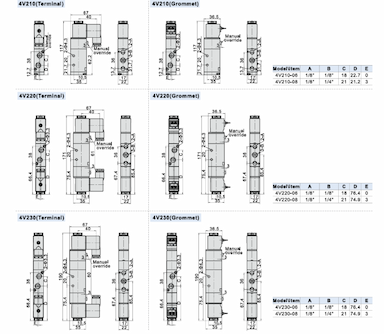
Top-Selling AirTAC 4V Series Solenoid Valve Models in 2026
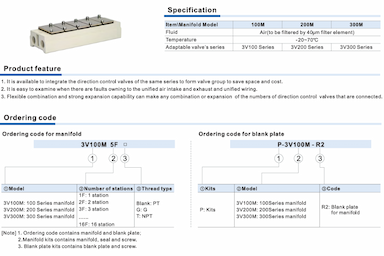
AirTAC Solenoid Valve Catalog – Full Guide to Download and Use the PDF
Complete AirTAC Solenoid Valve Specification Table – Your Ultimate Guide
AirTAC Solenoid Valve Maintenance Checklist – Troubleshooting Guide
Solenoid Valve Vibration and Noise – Quick Troubleshooting Guide for Pneumatic Systems