


Airflow (Cv) in Solenoid Valves: What It Is and Why It Matters
Jun 14 2026Learn about the airflow Cv of AirTAC solenoid valves, why it matters, and how to select the correct Cv to ensure stable operation, energy efficiency, and longer valve lifespan.
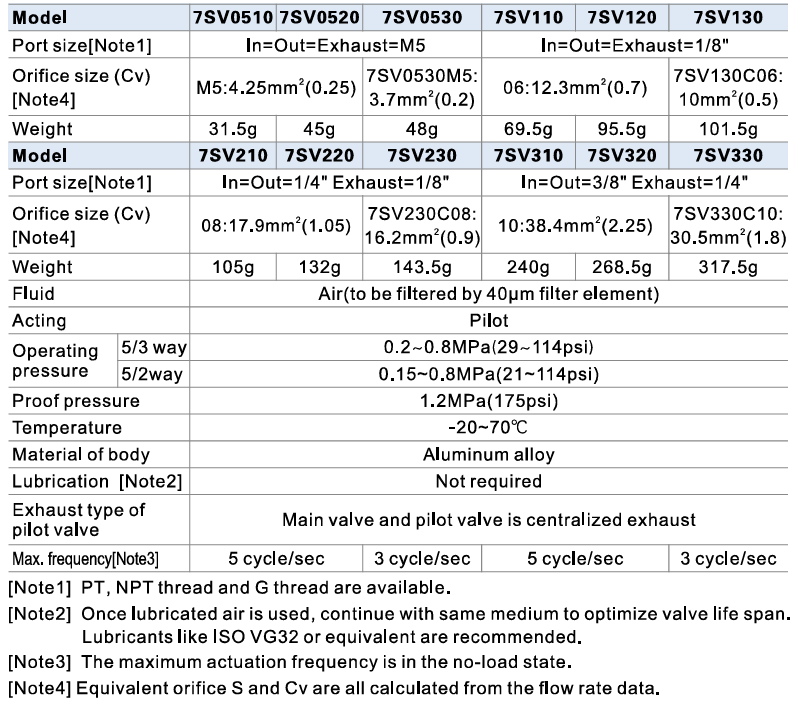
In pneumatic and automation systems, airflow (Cv) is a critical specification that engineers, designers, and operators need to understand. Cv determines the amount of compressed air passing through a solenoid valve and directly affects the performance of the entire system. Selecting a solenoid valve with the appropriate Cv ensures stable operation, energy efficiency, and extends the lifespan of the equipment.
This article explains what Cv is, the factors influencing Cv, how to choose Cv according to AirTAC valve models, and links to AirTAC solenoid valve product catalogs.
1. Concept of Airflow (Cv)
Definition
Cv, or flow coefficient, is the measure of a solenoid valve's flow capacity. It represents the volume of air (CFM or L/min) that can pass through the valve under standard pressure conditions. A higher Cv indicates that the valve can deliver more air, meeting the demands of cylinders or other pneumatic devices in the system.
Importance
- Choosing the correct Cv ensures smooth valve operation and precise cylinder speed.
- Cv too low → insufficient airflow → slow cylinder response, system imbalance.
- Cv too high → wasted energy, higher valve cost without fully utilizing its capacity.
To better understand the relationship between Cv and port size, refer to the article “What is Port Size? Choosing 1/8, 1/4, 3/8, or 1/2 Inch”.
2. Formula and Factors Affecting Cv
Cv depends on several factors:
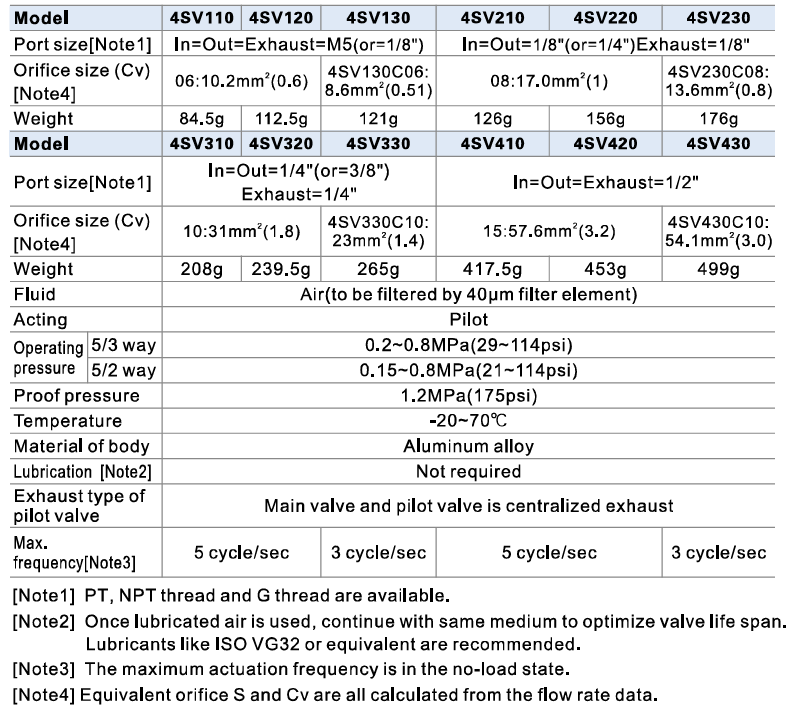
- Port Size: AirTAC 4SV and 7SV valves have port sizes ranging from 1/8 to 1/2 inch. Increasing port size generally increases Cv.
- Operating Pressure: The pressure difference between inlet and outlet directly impacts airflow.
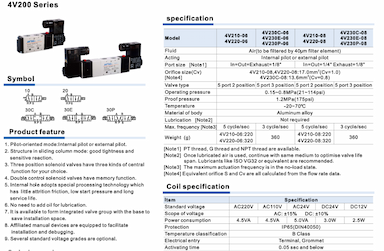
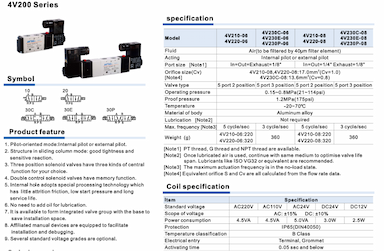
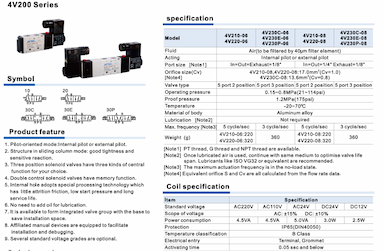
- Valve Model: Each AirTAC 4SV or 7SV model has a specific Cv; always check the Specification table before selection.
- Body Material and Design: Internal structure, pistons, and coil design influence actual Cv performance.
3. Why Cv Matters When Choosing a Valve
3.1 For Pneumatic Systems
- Cv too low → insufficient airflow → slow cylinder operation and pressure drop in the system.
- Correct Cv → stable airflow, accurate cylinder motion.
- Cv too high → increased cost, larger piping required, higher energy consumption.
3.2 For AirTAC Solenoid Valves
- AirTAC offers multiple series with varying Cv: 4SV110 → 4SV430, 7SV050 → 7SV330.
- Choosing the right Cv optimizes system performance and prevents coil or piston damage due to overload.
- Cv is directly linked to port size, so consider both parameters when selecting a valve.
4. Choosing Cv by AirTAC Valve Model
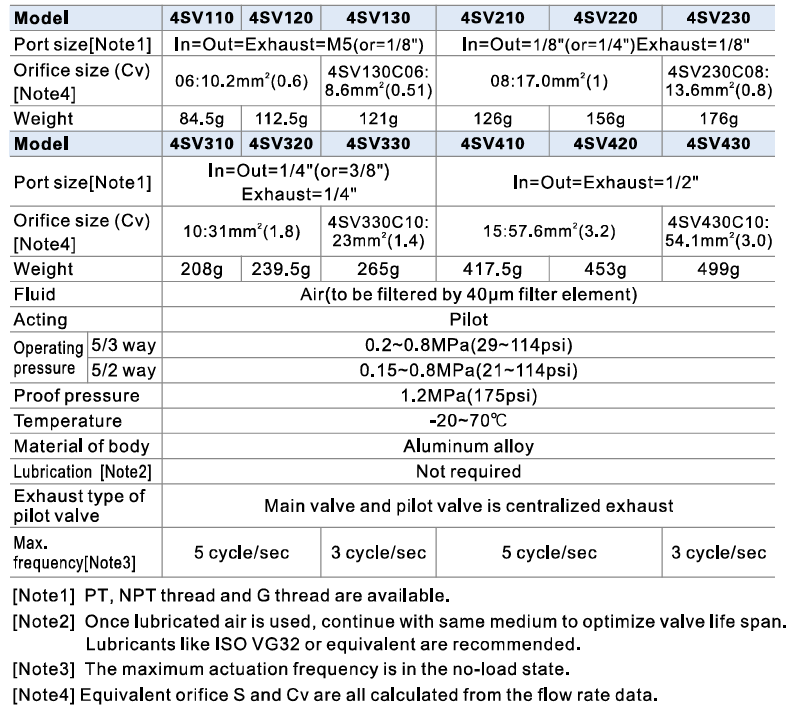
4SV Series
- Models: 4SV110, 4SV120, 4SV130, 4SV210, 4SV220, 4SV230, 4SV310…
- Select Cv according to required airflow and system operating pressure.
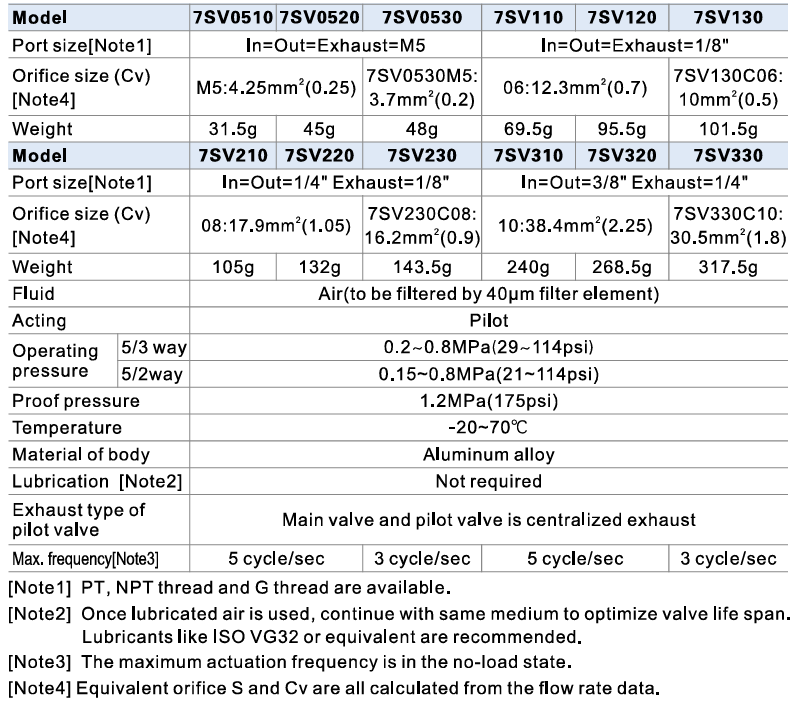
7SV Series
- Models: 7SV050, 7SV100, 7SV110, 7SV210, 7SV220, 7SV310…
- Cv corresponds to port size and higher pressure, suitable for heavy-duty industrial systems.
Selection Notes
- Choosing Cv lower than the requirement → insufficient airflow.
- Choosing Cv too high → higher costs, oversized piping.
- Always combine port size and Cv to ensure the AirTAC valve fits the system.
5. Installation and Efficient Use of Cv
- When installing a valve, ensure port size and Cv match the system specification.
- Connect the coil correctly: use vertical plug wire or parallel plug wire.
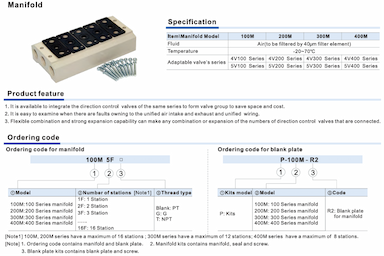
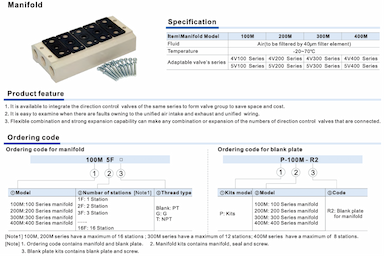
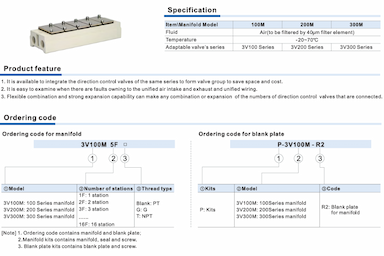
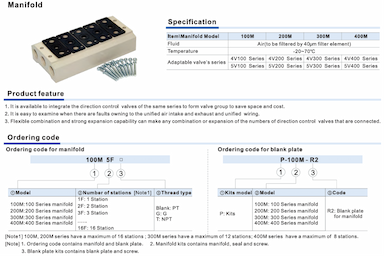
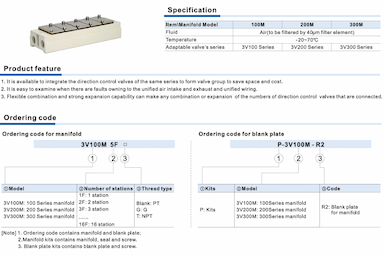
- When using a manifold, Cv values of connected valves must be consistent.
- Refer to the AirTAC catalog to determine the maximum Cv for each model and operating pressure range.
Illustration Recommendations:
- Prefer real product photos of AirTAC 4SV/7SV valves.
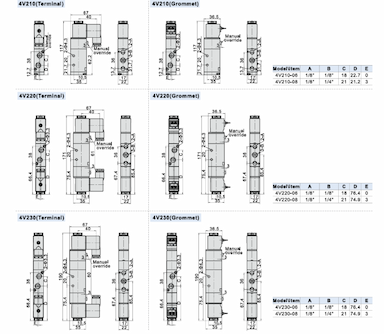
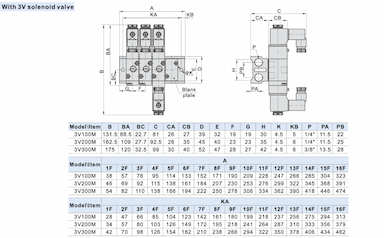
- If using catalog images, crop the Specification table showing Cv and Port Size (page 2–5 of 4SV or 7SV) to illustrate selection.
How to Select AirTAC Solenoid Valves from A-Z (With Technical Guidance)

AirTAC Pneumatic Combo Solution – Valve + Cylinder + Air Filter
Where to Buy Genuine AirTAC Pneumatic Valves – Trusted Suppliers
Latest AirTAC Solenoid Valve Price List – 2026 Update
AirTAC Solenoid Valve Accessories – Quick Connects, Silencers, and Sub-Bases
Top-Selling AirTAC 4V Series Solenoid Valve Models in 2026
AirTAC Solenoid Valve Catalog – Full Guide to Download and Use the PDF
Complete AirTAC Solenoid Valve Specification Table – Your Ultimate Guide
AirTAC Solenoid Valve Maintenance Checklist – Troubleshooting Guide
Solenoid Valve Vibration and Noise – Quick Troubleshooting Guide for Pneumatic Systems