


How to Properly Install Pneumatic Cylinders
May 17 2026Proper pneumatic cylinder installation improves system stability, reduces vibration, and increases equipment lifespan. This article explains mounting methods and common cylinder installation mistakes.
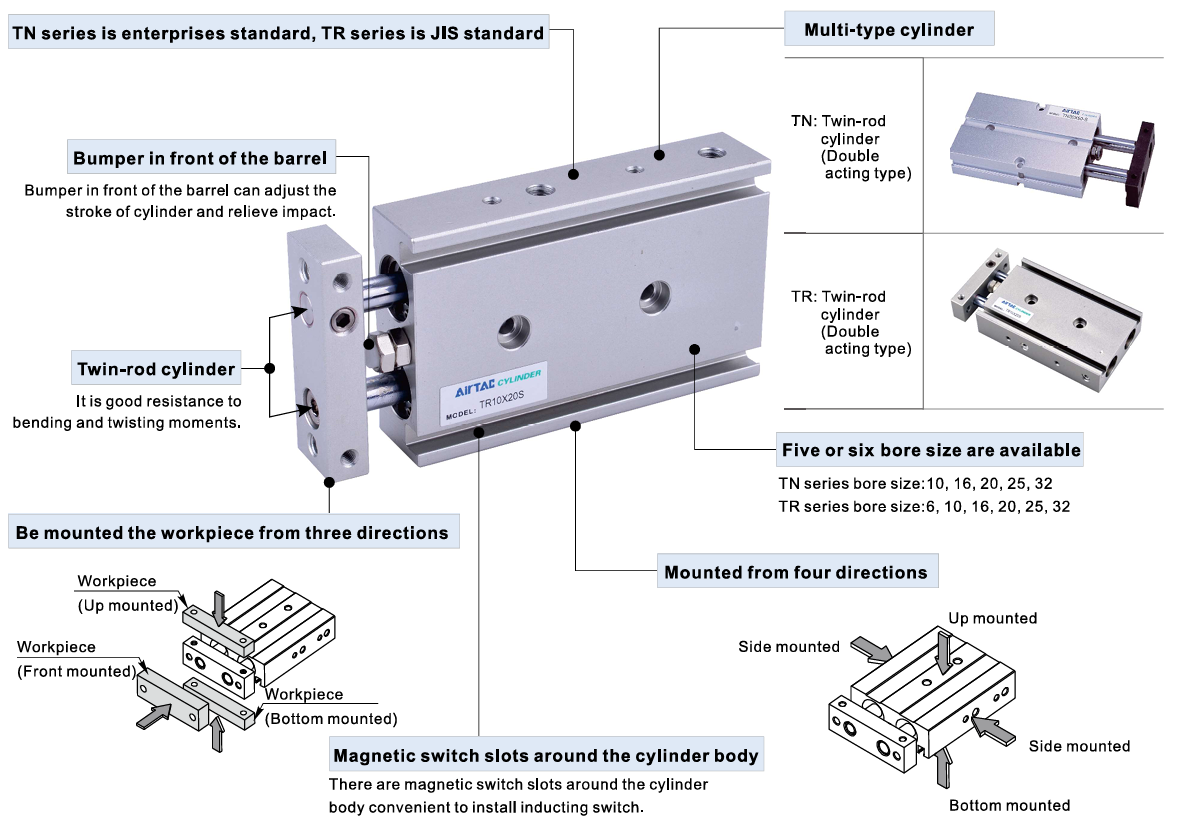
Why Is Proper Pneumatic Cylinder Installation Important?
Many pneumatic system failures are not caused by cylinder quality, but by:
- Incorrect installation
- Misalignment
- Improper mounting selection
- Incorrect stroke setup
👉 These mistakes can lead to:
- Vibration and jerking
- Bent piston rods
- Fast seal wear
- Weak cylinder force
- Reduced system lifespan
👉 Proper cylinder installation is extremely important for stable operation.
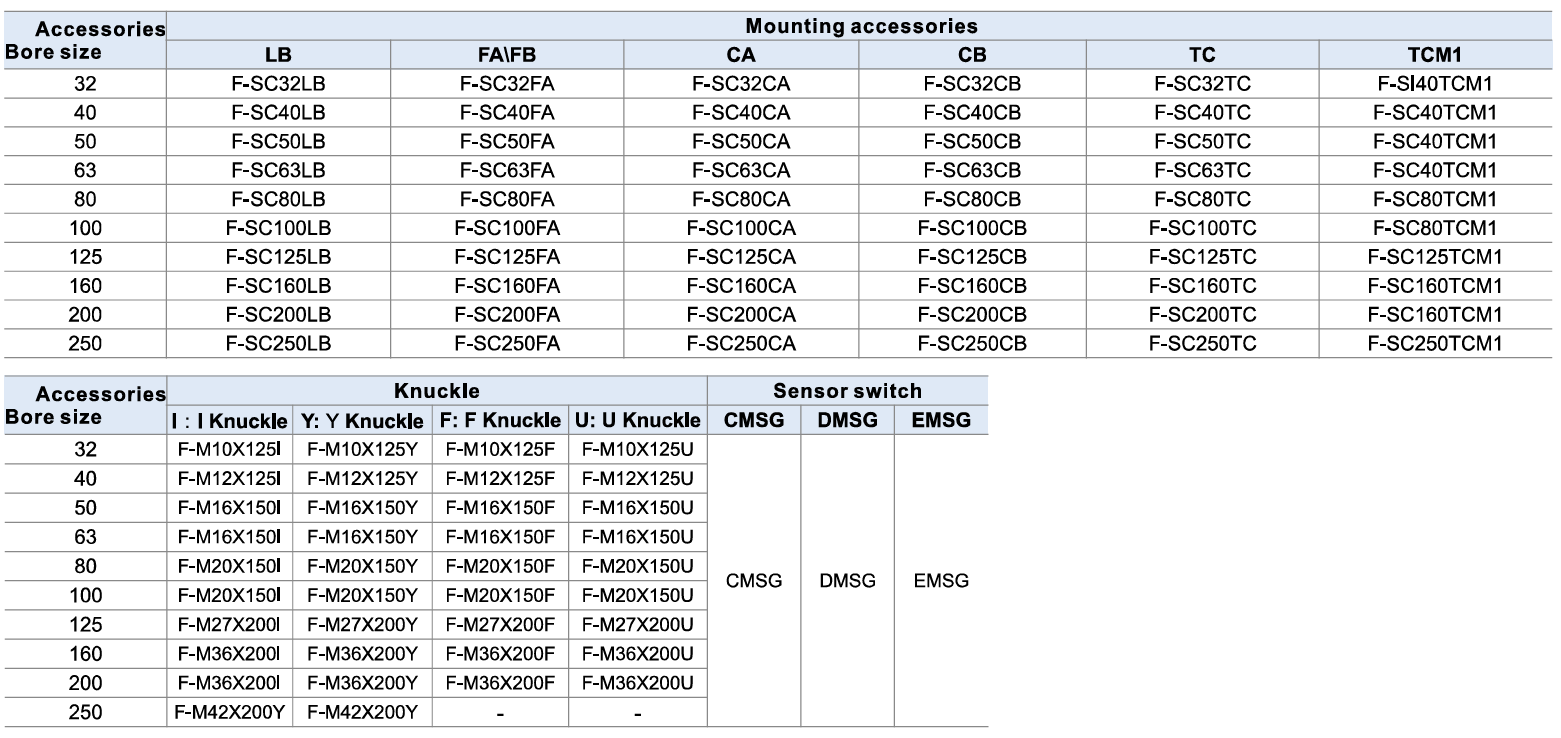
Common Pneumatic Cylinder Mounting Types
Foot Mounting
Foot mounting:
- Is easy to install
- Is the most common mounting type
👉 Suitable for:
- Standard industrial machines
Front Flange Mounting
Front flange mounting:
- Provides strong fixing
- Works well for straight load movement
Rear Clevis Mounting
Clevis mounting:
- Allows slight angular movement
- Reduces misalignment stress
👉 Suitable for:
- Light rotational motion systems
Correct Pneumatic Cylinder Installation Methods
Keep the Cylinder Aligned With the Load Direction
The cylinder must:
- Move in line with the load
- Avoid off-center movement
👉 Misalignment may cause:
- Bent piston rods
- Rapid seal wear
Avoid Excessive Side Loads
Pneumatic cylinders:
- Cannot handle side loads as well as linear guides
👉 If side loads exist:
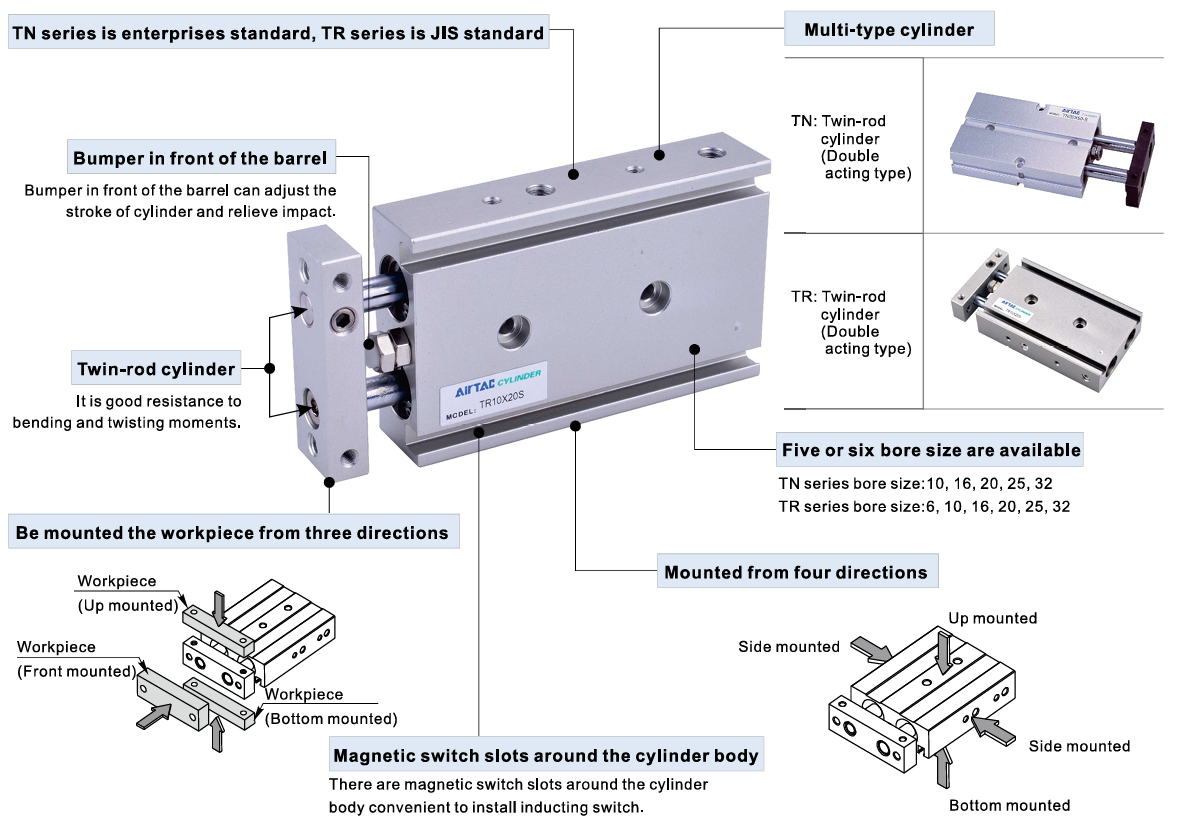
- Guided cylinders or dual rod cylinders are recommended.
Select the Correct Stroke Before Installation
If the stroke is:
- Too short → insufficient travel
- Too long → vibration and instability
👉 Recommended:
- Choose a stroke about 10–20% longer than the actual movement distance
Proper Cylinder Speed Adjustment
Many systems:
- Are installed correctly
- But use incorrect speed settings
→ This can cause:
- Hard impact at the end of stroke
- Vibration
- Fast seal wear
Solutions
✅ Use flow control valves
✅ Reduce end-of-stroke speed
✅ Balance airflow on both sides
When Should Cushioning Be Used?
If your system has:
- High speed
- Heavy loads
- Long stroke
👉 You should use:
- Air cushion
- Shock absorbers
- Flow control valves
to reduce impact at the end of the stroke.
Common Pneumatic Cylinder Installation Mistakes
Misalignment
This may cause:
- Bent piston rods
- Air leakage
- Excessive vibration
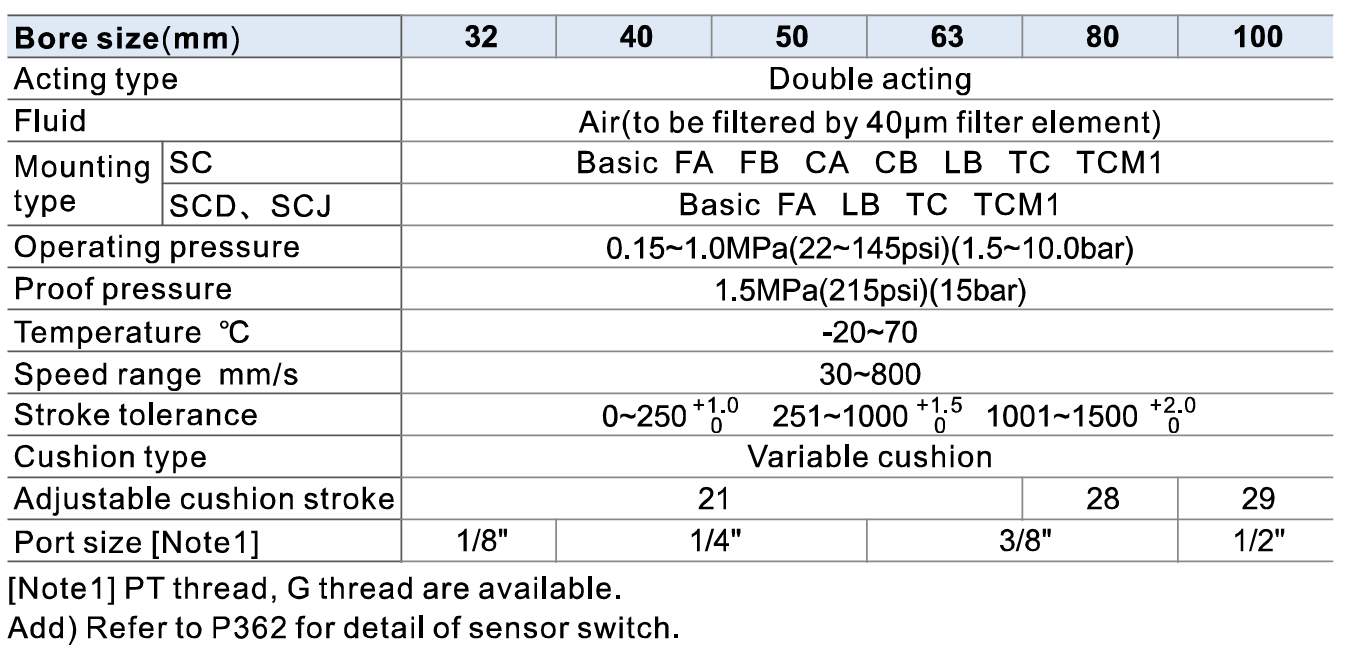
Using Incorrect Joints or Mounting
👉 This creates:
- Side loads on the cylinder
- Faster wear
No Air Filter System
Dirty compressed air:
- Quickly damages seals
Excessive Speed Settings
👉 This causes:
- Hard impacts
- Reduced cylinder lifespan
When Should You Use Guided Cylinders Instead of Standard Cylinders?
You should consider guided cylinders if:
- Off-center loads exist
- Anti-rotation is required
- The system operates at high speed
- High precision is needed
👉 Guided cylinders help:
- Simplify installation
- Improve stability
- Reduce mechanical problems
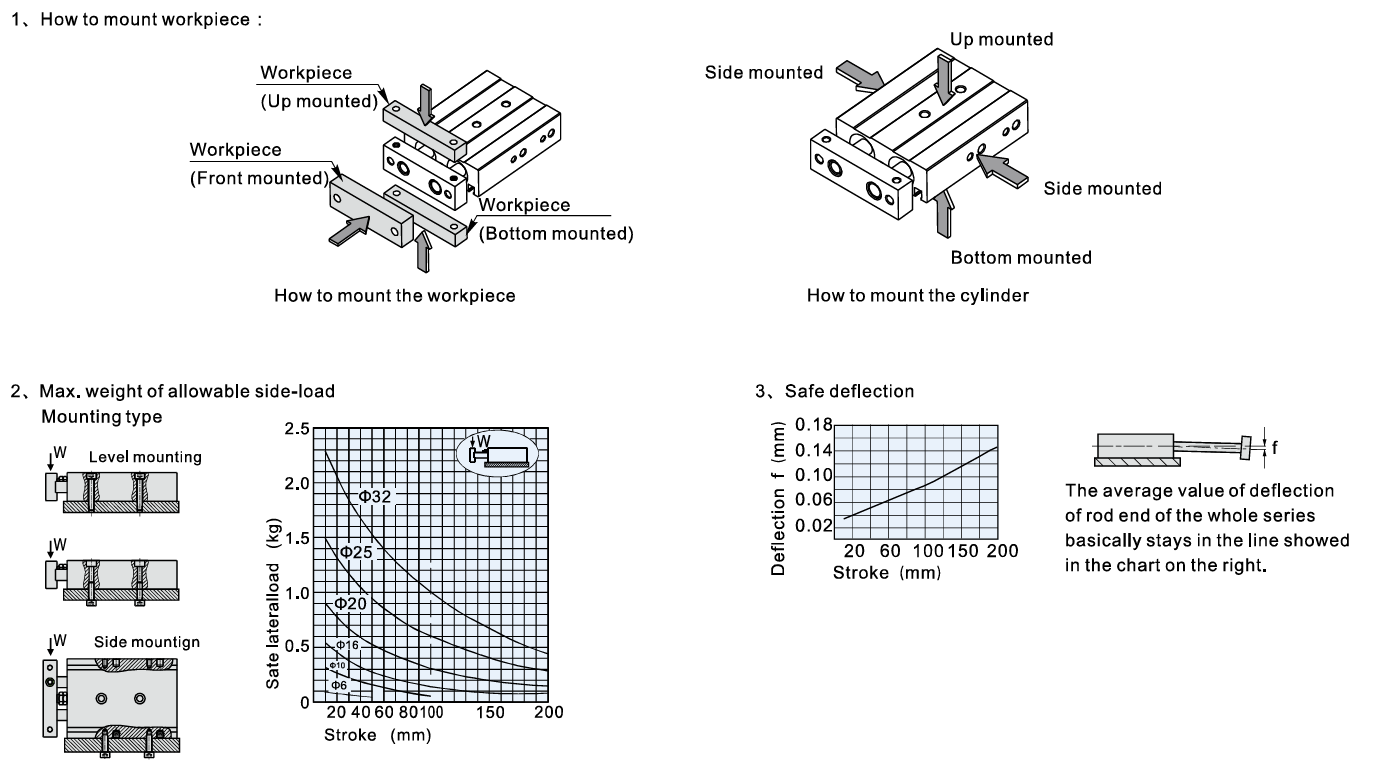
Pneumatic Cylinder Installation Checklist
Before operating the system, check:
✅ Correct bore size
✅ Proper stroke length
✅ Correct mounting type
✅ Proper alignment
✅ Flow control installed
✅ FRL air filter installed
✅ Straight piston rod movement
✅ Minimal side load
👉 This checklist helps prevent many pneumatic system problems.
Conclusion
Proper pneumatic cylinder installation helps:
- Increase system lifespan
- Reduce vibration
- Prevent mechanical failures
- Improve operating stability
👉 During installation, always pay attention to:
- Alignment
- Proper mounting
- Correct stroke selection
- Guided cylinders for off-center loads
👉 These factors are critical for stable and long-lasting pneumatic systems.
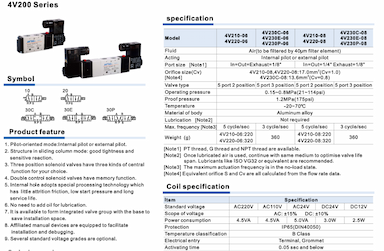
How to Select AirTAC Solenoid Valves from A-Z (With Technical Guidance)

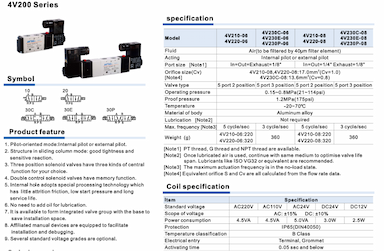
AirTAC Pneumatic Combo Solution – Valve + Cylinder + Air Filter
Where to Buy Genuine AirTAC Pneumatic Valves – Trusted Suppliers
Latest AirTAC Solenoid Valve Price List – 2026 Update
AirTAC Solenoid Valve Accessories – Quick Connects, Silencers, and Sub-Bases
Top-Selling AirTAC 4V Series Solenoid Valve Models in 2026
AirTAC Solenoid Valve Catalog – Full Guide to Download and Use the PDF
Complete AirTAC Solenoid Valve Specification Table – Your Ultimate Guide
AirTAC Solenoid Valve Maintenance Checklist – Troubleshooting Guide
Solenoid Valve Vibration and Noise – Quick Troubleshooting Guide for Pneumatic Systems