


How to Choose the Right Pneumatic Cylinder for Automation Systems
May 10 2026Learn how to choose the right pneumatic cylinder based on bore size, stroke length, air pressure, and load requirements for stable and efficient automation systems.
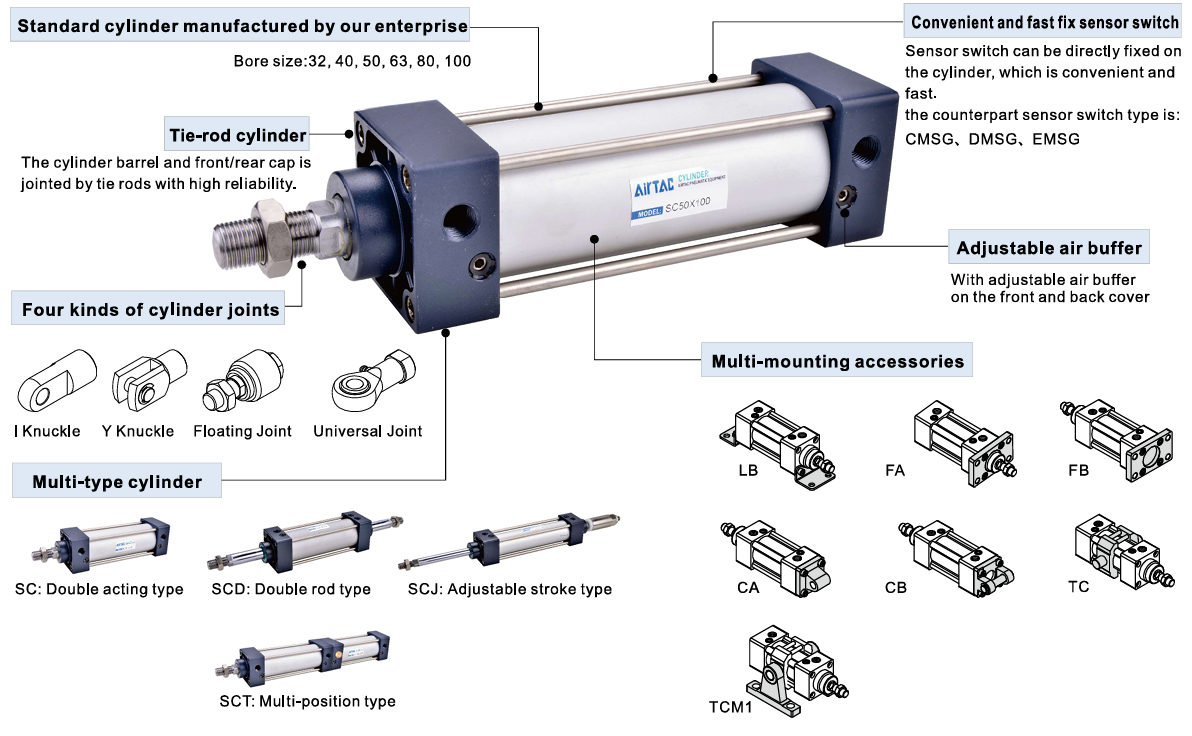
Why Is Choosing the Right Pneumatic Cylinder Important?
A pneumatic cylinder creates push and pull motion in automation systems. Choosing the wrong cylinder can lead to:
- Insufficient pushing force
- Vibration and instability
- Excessive air consumption
- Reduced equipment lifespan
- Poor system performance
👉 That’s why proper cylinder selection is extremely important in machine design.
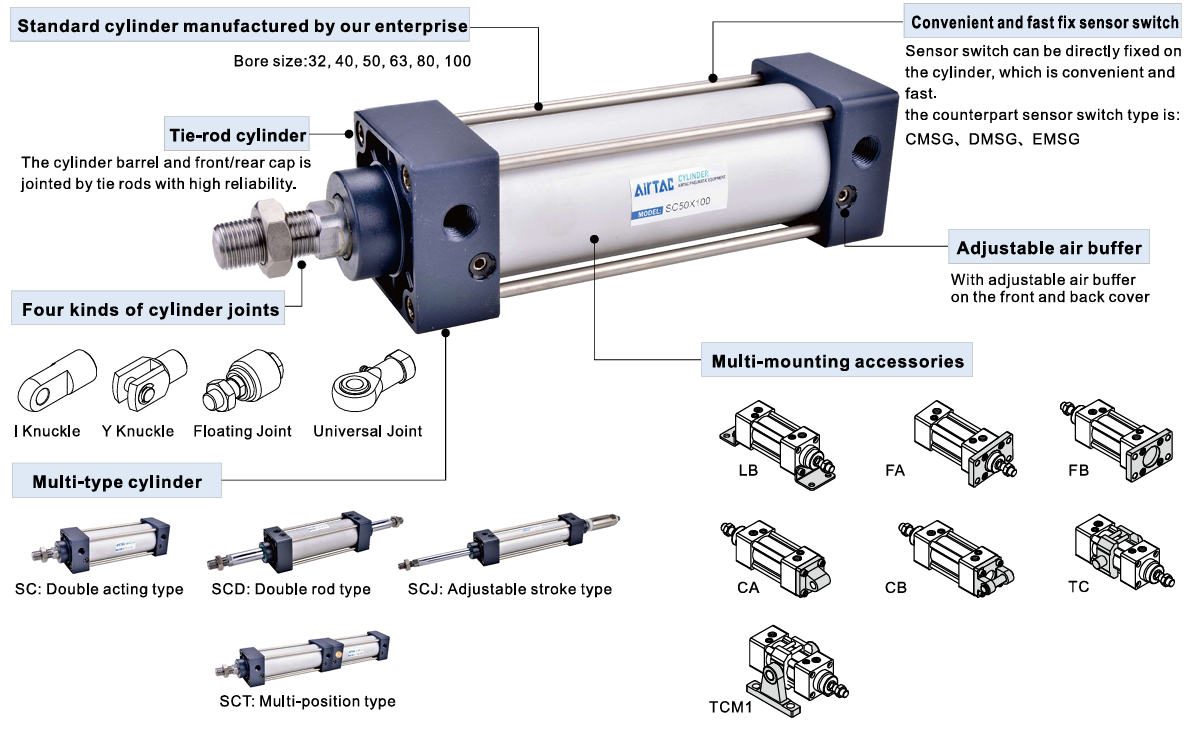
Important Parameters When Choosing a Pneumatic Cylinder
When selecting a pneumatic cylinder, you should consider the following factors:
Bore Size
Bore size determines:
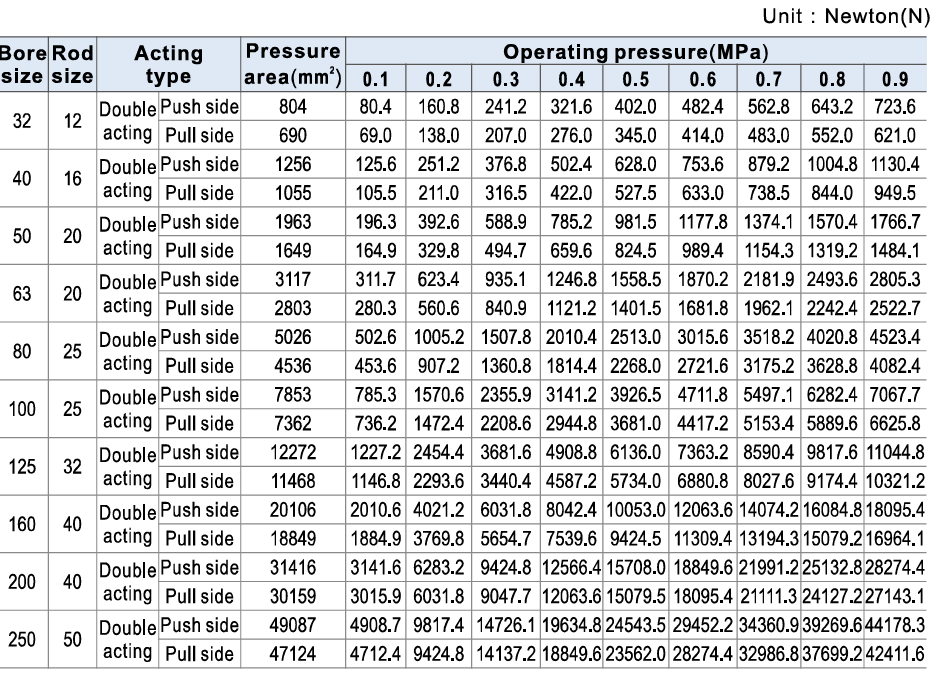
- Cylinder output force
- Air consumption
👉 Larger bore = stronger force.
Stroke Length
Stroke is the travel distance of the piston.
👉 Longer stroke means:
- Longer cylinder body
- Higher vibration risk
- More installation space required
Working Pressure
Air pressure directly affects cylinder force.
Examples:
- 5 bar → medium force
- 6–7 bar → higher force
👉 If pressure is low:
- A larger bore may be required.
Mounting Type
Mounting style affects:
- Stability
- Durability
- Motion angle
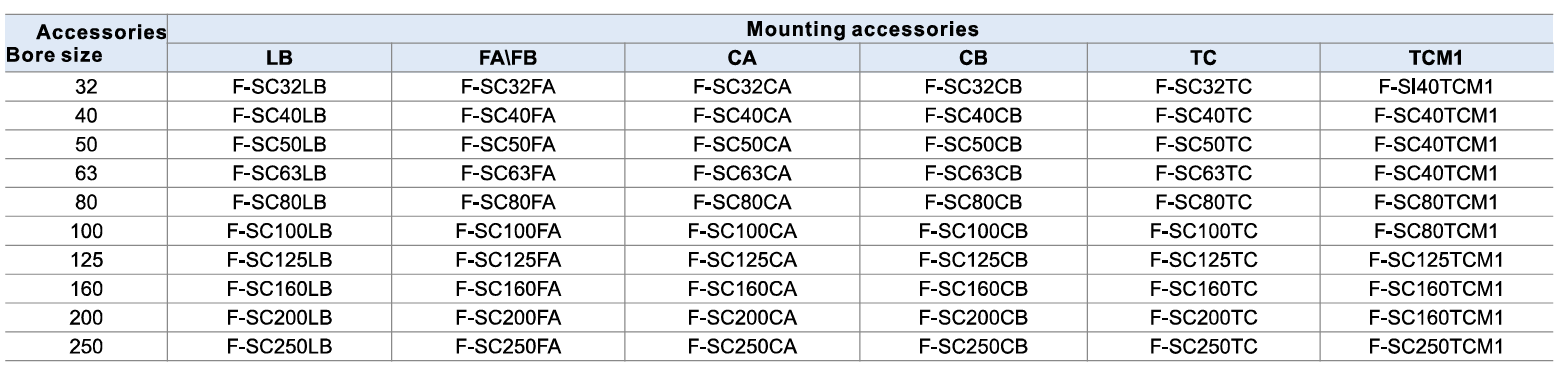
Common mounting types:
- FA
- CA
- LB
- TC
How to Choose the Correct Bore Size
Light Loads
- Bore 32–40
Medium Loads
- Bore 50–63
Heavy Loads
- Bore 80–100
👉 Never choose a cylinder with force exactly equal to the load.
Recommended:
- Add 20–30% safety margin
How to Choose the Right Stroke Length
In general:
- Stroke length should be about 10–20% longer than the actual movement distance.
Example:
- Required movement = 100mm
- → Recommended stroke = 125mm
👉 Avoid:
- Stroke too short → insufficient travel
- Stroke too long → vibration and wasted space
When Should You Use Compact Cylinders?
If your system has:
- Limited installation space
- Short stroke requirements
- Medium loads
👉 You should consider:
Compact cylinders provide:
- Space-saving design
- Easier installation
When Should You Use Guided Cylinders?
If your system involves:
- Off-center loads
- Long stroke movement
- Anti-rotation requirements
👉 You should use:
- guided cylinders
- or dual-rod cylinders
Common Mistakes When Choosing Pneumatic Cylinders
Bore Too Small
- Insufficient force
Stroke Too Long
- Excessive vibration
Incorrect Mounting
- Faster seal wear
- Misalignment
Ignoring Actual Load Conditions
- Weak cylinder performance even with enough pressure
👉 These are among the most common pneumatic system design mistakes.
Pneumatic Cylinder Selection Checklist
Before choosing a cylinder, check:
✅ Load capacity
✅ Stroke length
✅ Air pressure
✅ Installation space
✅ Mounting type
✅ Operating speed
✅ System stability
👉 This checklist is extremely important in automation system design.
Conclusion
Choosing the correct pneumatic cylinder helps:
- Improve system stability
- Reduce air consumption
- Minimize operational errors
- Extend machine lifespan
👉 When selecting a pneumatic cylinder, always consider:
- Bore size
- Stroke length
- Mounting type
- Air pressure
- Actual load conditions
👉 If you are unsure which model is suitable, you can explore various AirTAC pneumatic cylinders with complete technical specifications and multiple application options.
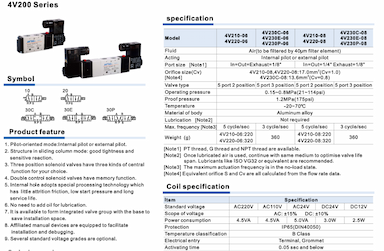
How to Select AirTAC Solenoid Valves from A-Z (With Technical Guidance)

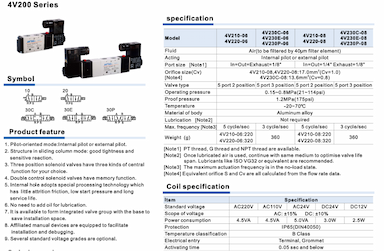
AirTAC Pneumatic Combo Solution – Valve + Cylinder + Air Filter
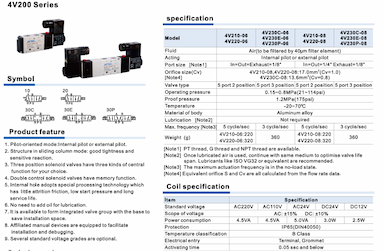
Where to Buy Genuine AirTAC Pneumatic Valves – Trusted Suppliers
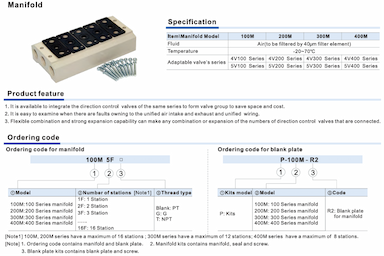
Latest AirTAC Solenoid Valve Price List – 2026 Update
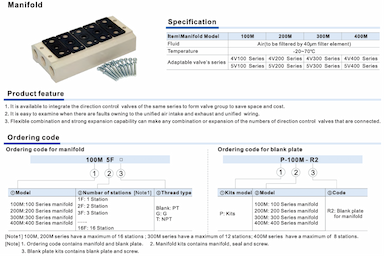
AirTAC Solenoid Valve Accessories – Quick Connects, Silencers, and Sub-Bases
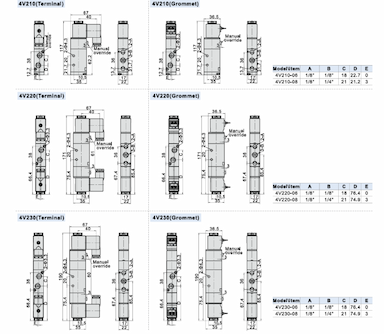
Top-Selling AirTAC 4V Series Solenoid Valve Models in 2026
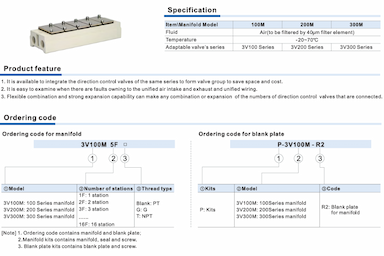
AirTAC Solenoid Valve Catalog – Full Guide to Download and Use the PDF
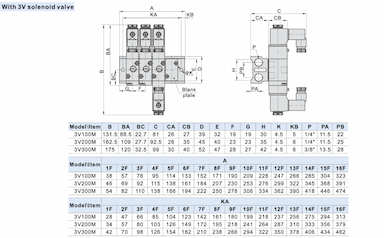
Complete AirTAC Solenoid Valve Specification Table – Your Ultimate Guide
AirTAC Solenoid Valve Maintenance Checklist – Troubleshooting Guide
Solenoid Valve Vibration and Noise – Quick Troubleshooting Guide for Pneumatic Systems