


Common Pneumatic Cylinder Problems and How to Fix Them
May 16 2026Pneumatic cylinders can experience problems such as weak force, vibration, air leakage, or failure to move loads. This article explains the common causes and troubleshooting methods for pneumatic cylinder systems.
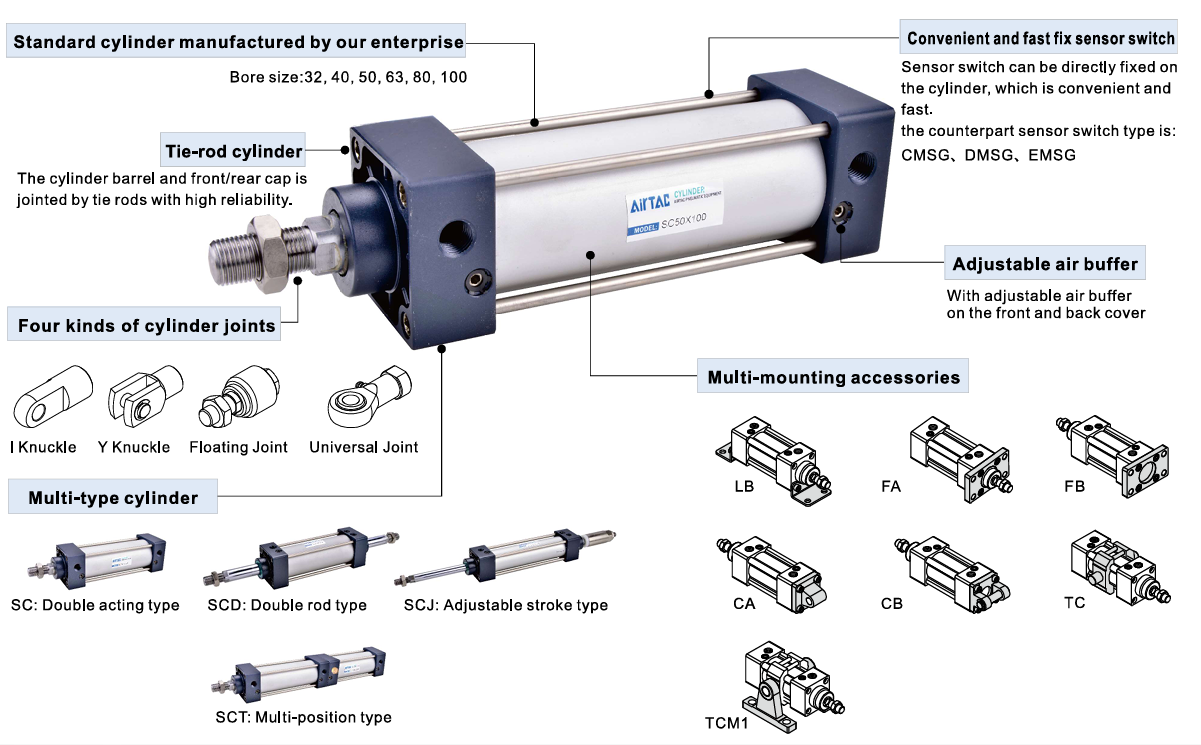
Why Do Pneumatic Cylinders Often Have Problems?
Pneumatic cylinders operate continuously in environments with:
- High pressure
- Repetitive movement
- Dust and moisture in compressed air systems
If:
- The wrong cylinder is selected
- Installation is incorrect
- Maintenance is neglected
👉 Pneumatic cylinders can easily develop issues such as:
- Weak force
- Vibration
- Air leakage
- Piston sticking
- Bent piston rods
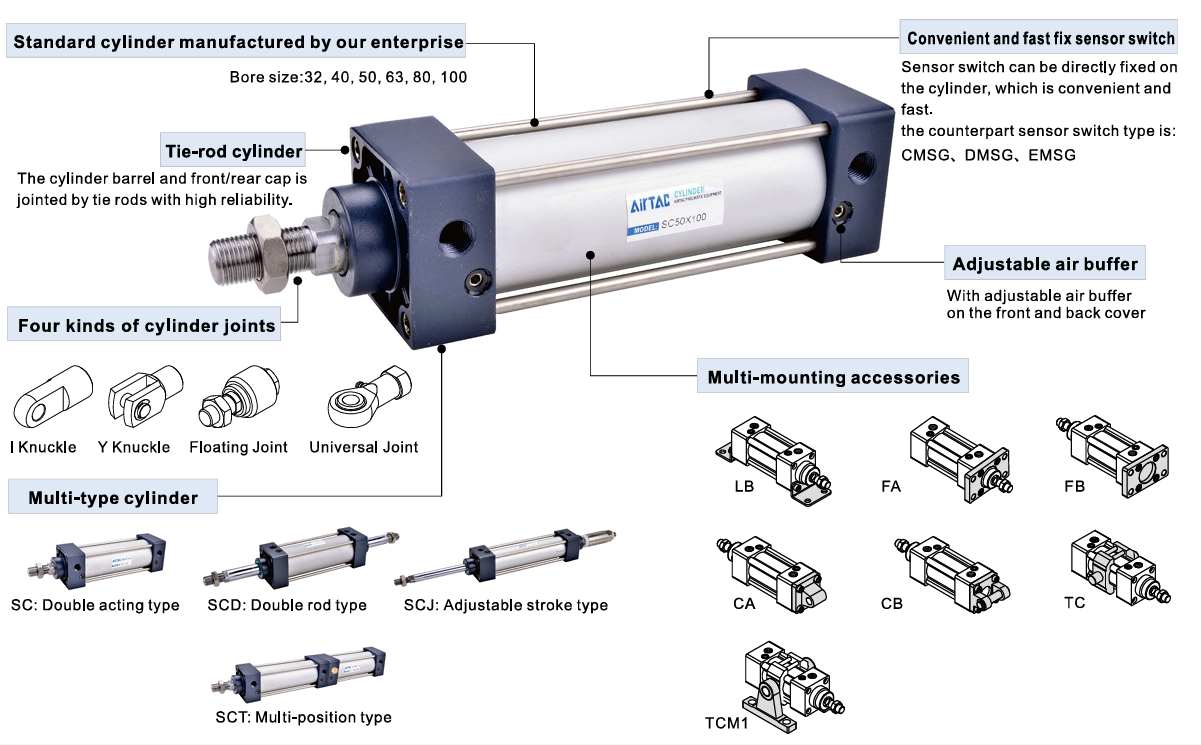
Weak Cylinder Force Even With Enough Pressure
This is one of the most common pneumatic system problems.
Common Causes
- Bore size too small
- Load too heavy
- Air leakage
- Pressure drop under load
- Worn piston seals
👉 In many cases:
- The pressure gauge still shows normal pressure
- But airflow is insufficient
Solutions
✅ Check the actual load
✅ Check airflow capacity
✅ Inspect piston seals
✅ Increase cylinder bore if necessary
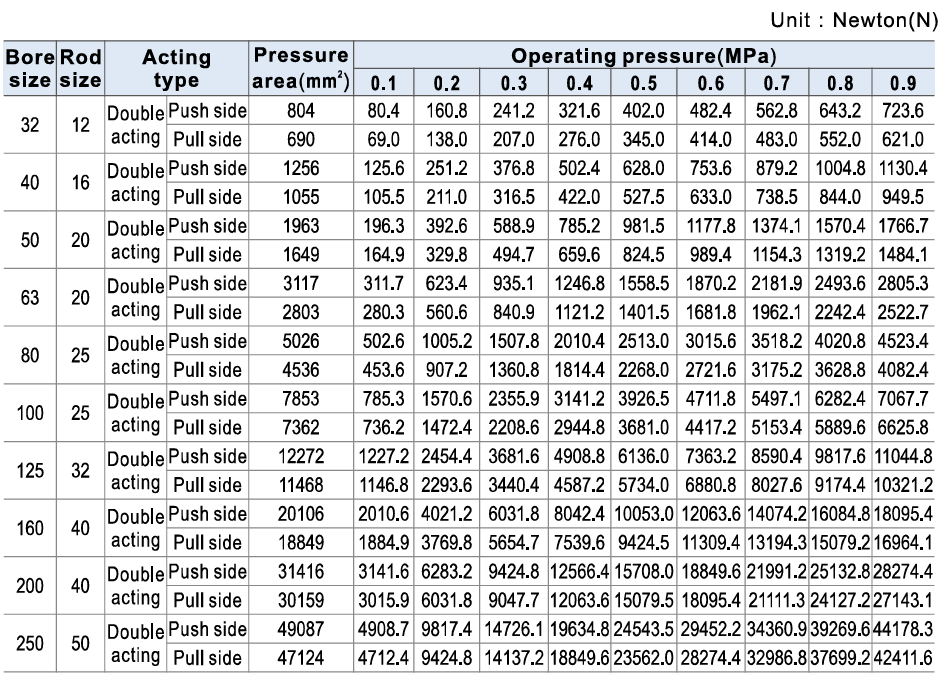
Cylinder Vibration and Jerking Problems
Causes
- Excessive speed
- Lack of cushioning
- Misaligned piston rod
- Off-center load
- Unstable air supply
👉 Guided cylinders usually vibrate less than standard cylinders.
Solutions
✅ Reduce cylinder speed
✅ Check mounting alignment
✅ Use flow control valves
✅ Use guided cylinders for off-center loads
Cylinder Cannot Push the Load
Causes
- Incorrect bore selection
- Low air pressure
- Insufficient valve airflow
- Actual load heavier than expected
👉 This is an extremely common pneumatic system design mistake.
Solutions
✅ Recalculate required force
✅ Increase cylinder bore
✅ Increase air pressure
✅ Check solenoid valve capacity
Air Leakage Problems
Symptoms
- Hissing air sound
- Gradually weaker cylinder force
- Rapid pressure loss
Causes
- Worn seals
- Scratched piston rod
- Loose fittings
- Leaking air tubing
Solutions
✅ Replace seals
✅ Check pneumatic fittings
✅ Inspect piston rod condition
✅ Replace damaged tubing
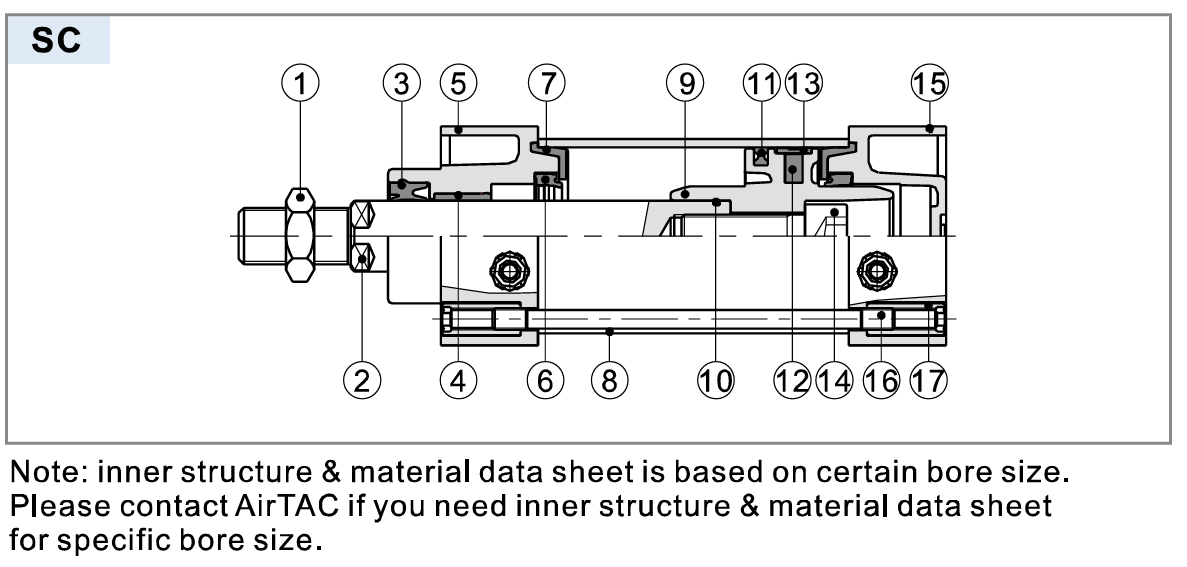
Bent or Worn Piston Rod
Causes
- Off-center load
- Incorrect mounting
- Excessively long stroke
- Lack of guide rods
Solutions
✅ Use guided cylinders
✅ Reduce side load
✅ Select proper stroke length
✅ Check system alignment
Slow or Unstable Cylinder Movement
Causes
- Insufficient airflow
- Valve size too small
- Incorrect flow control adjustment
- Moisture in compressed air
Solutions
✅ Check FRL unit
✅ Check pneumatic valves
✅ Drain water from the system
✅ Clean air lines
Choosing the Wrong Cylinder Type
This is one of the most expensive mistakes in pneumatic systems.
Examples:
- Using SC cylinders for very compact machines
- Using compact cylinders for heavy loads
- Using standard cylinders for off-center loads
👉 Results:
- Excessive vibration
- Fast seal wear
- Bent piston rods
Solutions
✅ Select the correct load capacity
✅ Choose the correct stroke
✅ Select the proper mounting type
✅ Use guided cylinders when necessary
How to Prevent Pneumatic Cylinder Problems
Perform Regular Maintenance
You should:
- Inspect seals
- Check for air leaks
- Clean FRL units
Use Clean Compressed Air
Air containing water or dust:
- Quickly reduces seal lifespan
Select the Correct Cylinder
This is the most important factor.
👉 Incorrect bore or stroke selection:
- Causes most pneumatic system failures
Conclusion
Pneumatic cylinders can experience problems such as:
- Weak force
- Vibration
- Air leakage
- Failure to move loads
- Bent piston rods
👉 However:
- Most problems can be prevented through:
- Proper cylinder selection
- Correct installation
- Regular maintenance
👉 If your system requires higher stability, consider using:
- Guided cylinders
- Dual rod cylinders
- Properly sized bore and stroke configurations
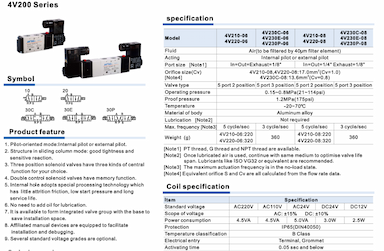
How to Select AirTAC Solenoid Valves from A-Z (With Technical Guidance)

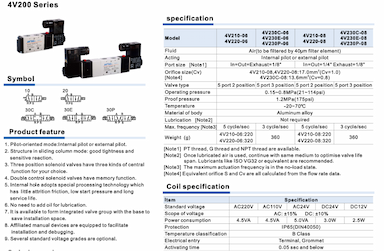
AirTAC Pneumatic Combo Solution – Valve + Cylinder + Air Filter
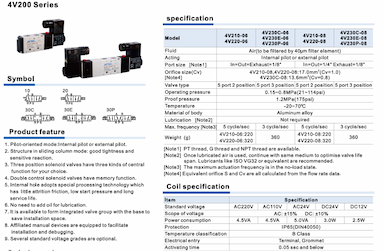
Where to Buy Genuine AirTAC Pneumatic Valves – Trusted Suppliers
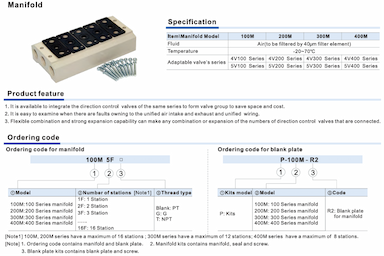
Latest AirTAC Solenoid Valve Price List – 2026 Update
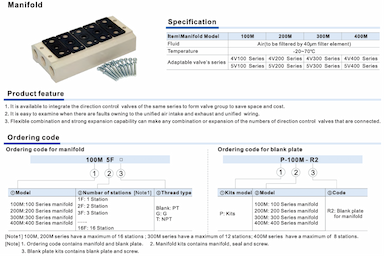
AirTAC Solenoid Valve Accessories – Quick Connects, Silencers, and Sub-Bases
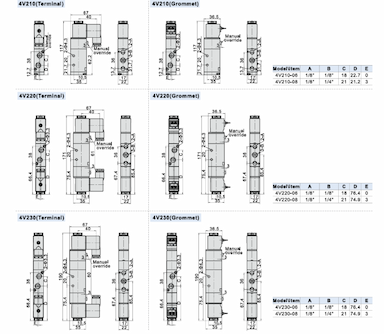
Top-Selling AirTAC 4V Series Solenoid Valve Models in 2026
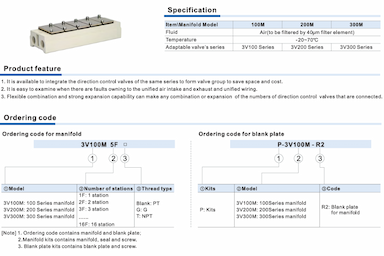
AirTAC Solenoid Valve Catalog – Full Guide to Download and Use the PDF
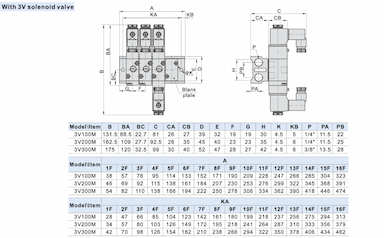
Complete AirTAC Solenoid Valve Specification Table – Your Ultimate Guide
AirTAC Solenoid Valve Maintenance Checklist – Troubleshooting Guide
Solenoid Valve Vibration and Noise – Quick Troubleshooting Guide for Pneumatic Systems