


pneumatic cylinder, airtac cylinder,pneumatic cylinder structure,pneumatic cylinder applications ,airtac sc cylinder
May 04 2026A pneumatic cylinder is a key component in automation systems, converting compressed air into linear motion. This article explains its structure, working principle, and real-world industrial applications.
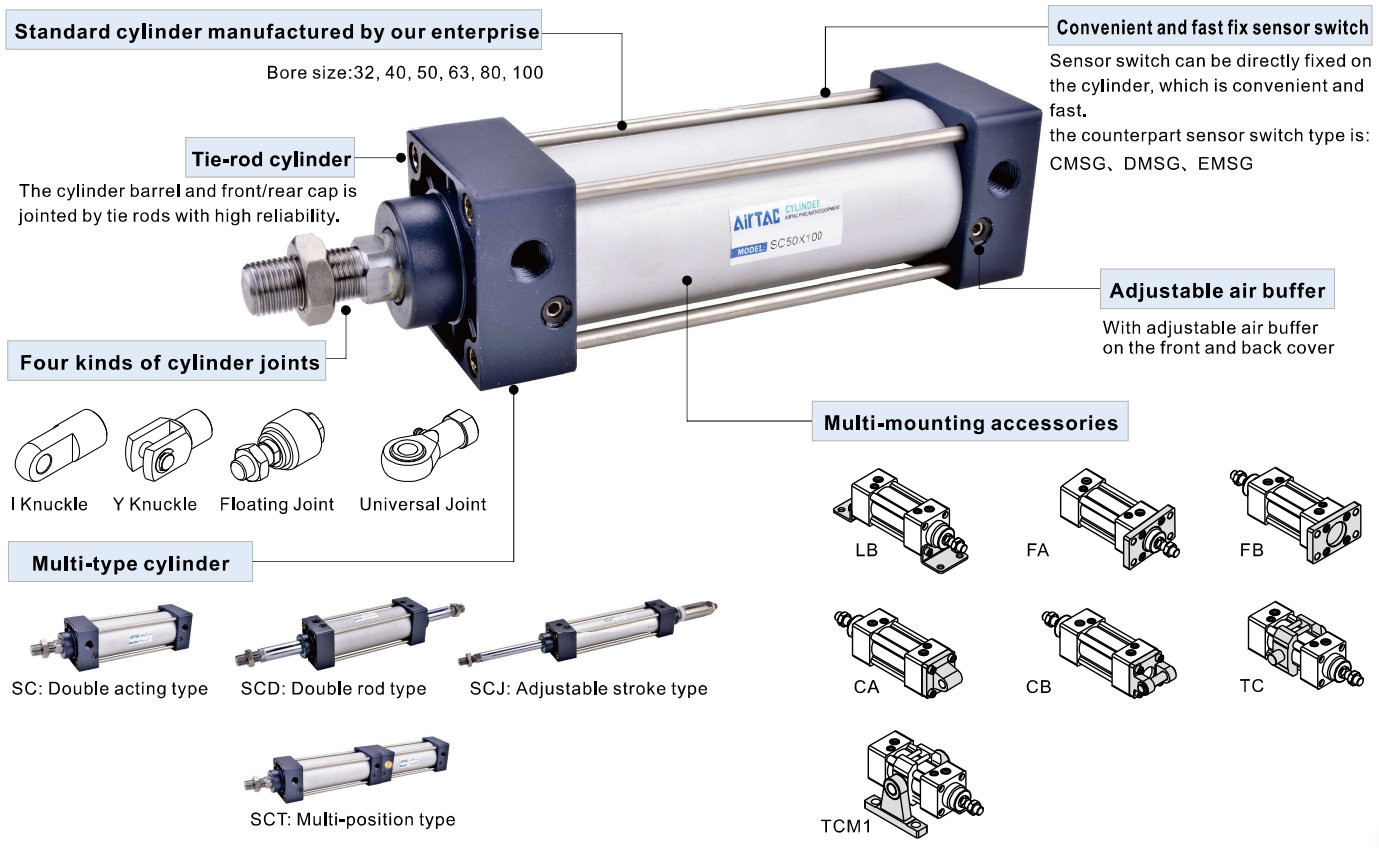
What is a Pneumatic Cylinder?
A pneumatic cylinder is a device that uses compressed air to create linear motion (push and pull) in machinery and automation systems.
In simple terms:
👉 A pneumatic cylinder acts like the “muscle” of a machine.
Working principle:
- Compressed air is supplied into the cylinder
- Pressure builds up inside
- The piston moves → pushing the piston rod outward
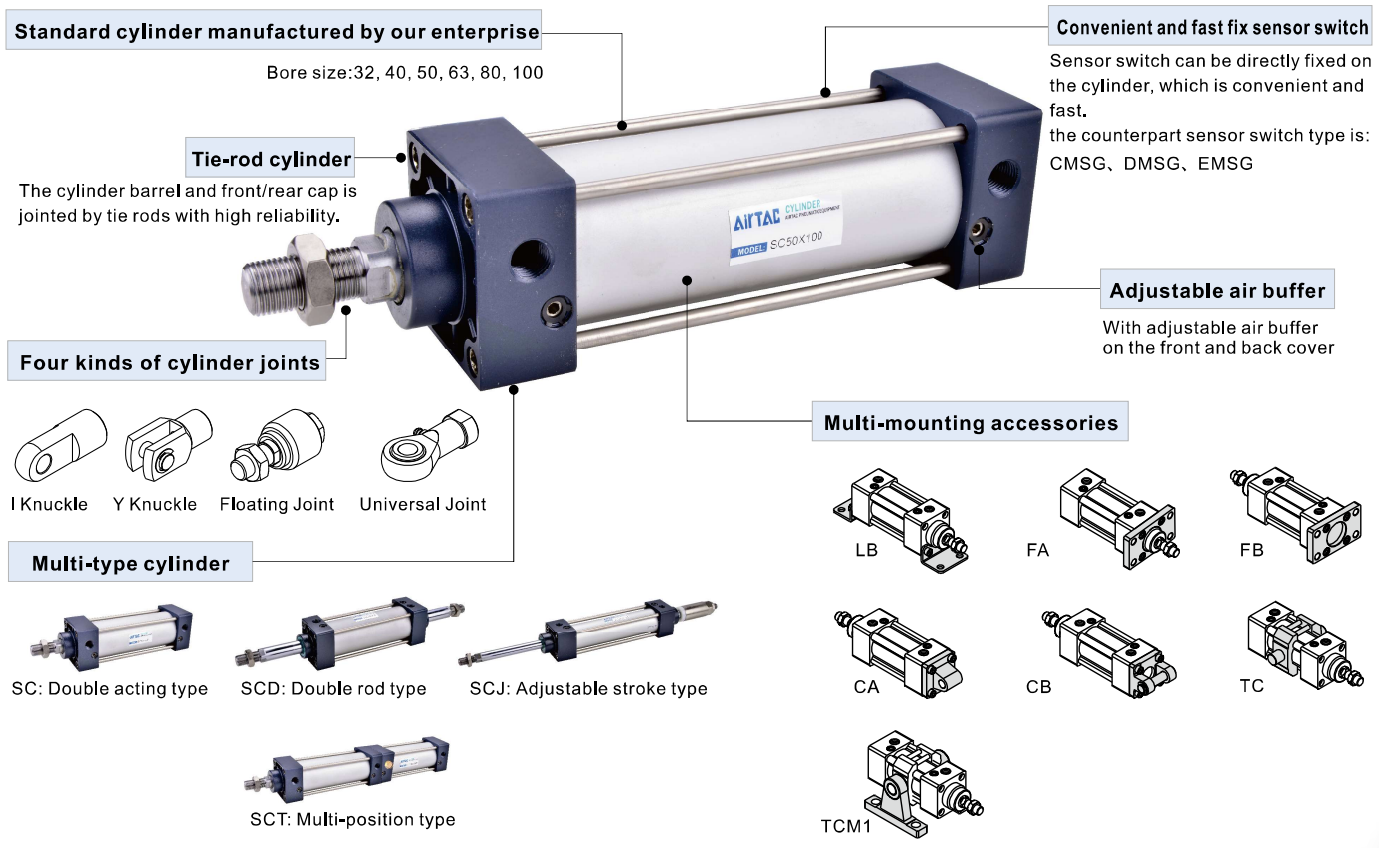
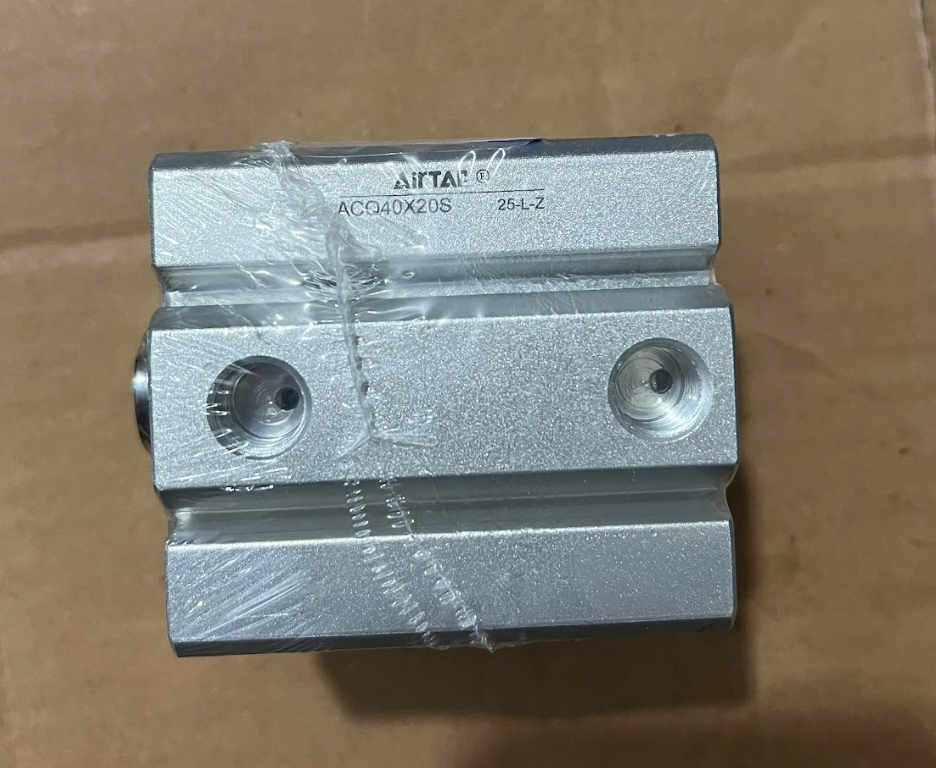
Structure of a Pneumatic Cylinder
A typical pneumatic cylinder consists of the following main components:
Cylinder body
- The tube that houses the piston
- Usually made of aluminum or alloy
Piston
- Moves inside the cylinder
- Receives force from compressed air
Piston rod
- Transfers force outward
- Connects to external mechanisms
Front and rear caps
- Seal the cylinder
- Hold the structure together
Seals
- Prevent air leakage
- Directly affect performance and durability
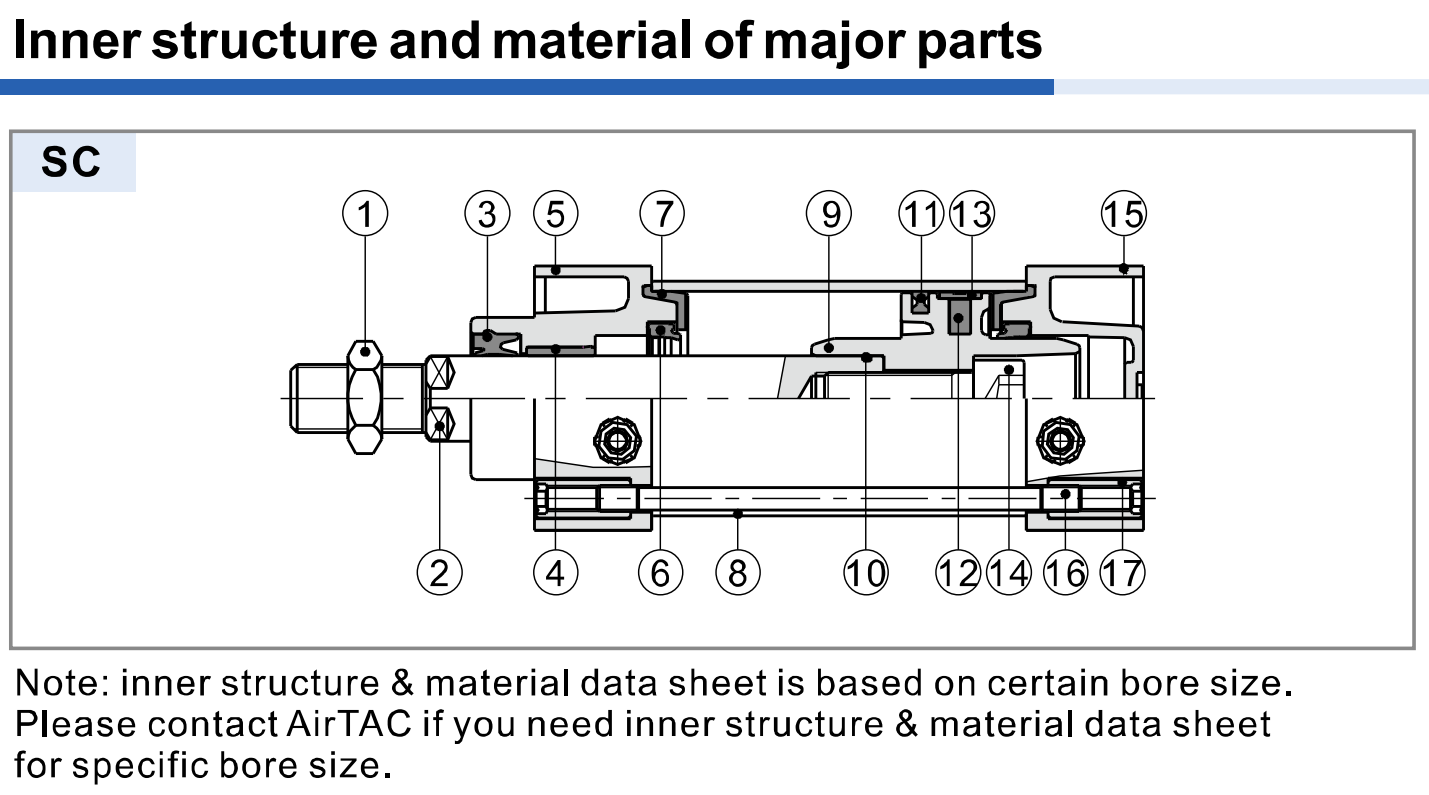
This structure is clearly illustrated in standard cylinders such as AirTAC SC cylinders.
Working Principle of a Pneumatic Cylinder
Pneumatic cylinders operate based on air pressure and are classified into two main types:
Single-acting cylinder
- Air pushes in one direction
- Returns using a spring
Double-acting cylinder
- Air drives motion in both directions
- More stable and powerful
👉 In practice, double-acting cylinders are the most commonly used
The output force depends on air pressure and piston diameter. You can explore real specifications through AirTAC pneumatic cylinders.
Real-World Applications of Pneumatic Cylinders
Pneumatic cylinders are widely used across many industries:
Automation manufacturing
- Packaging machines
- Pressing and stamping machines
- Conveyor systems
Food industry
- Product pushing
- Sorting
- Packaging
Electronics industry
- Component handling
- Precision positioning
Mechanical industry
- Workpiece clamping
- Machining support
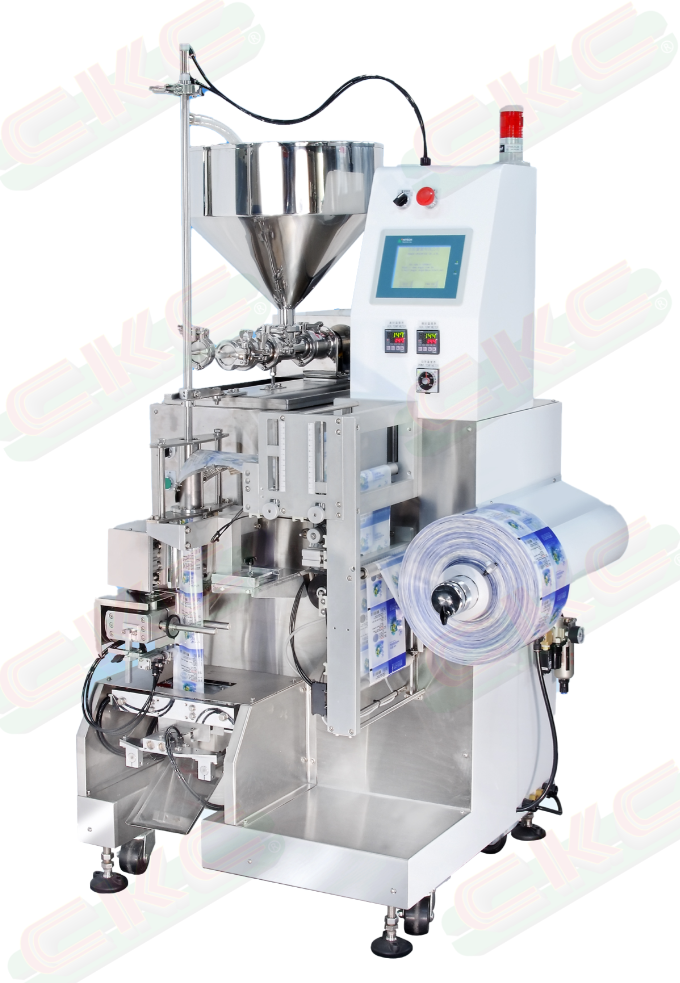
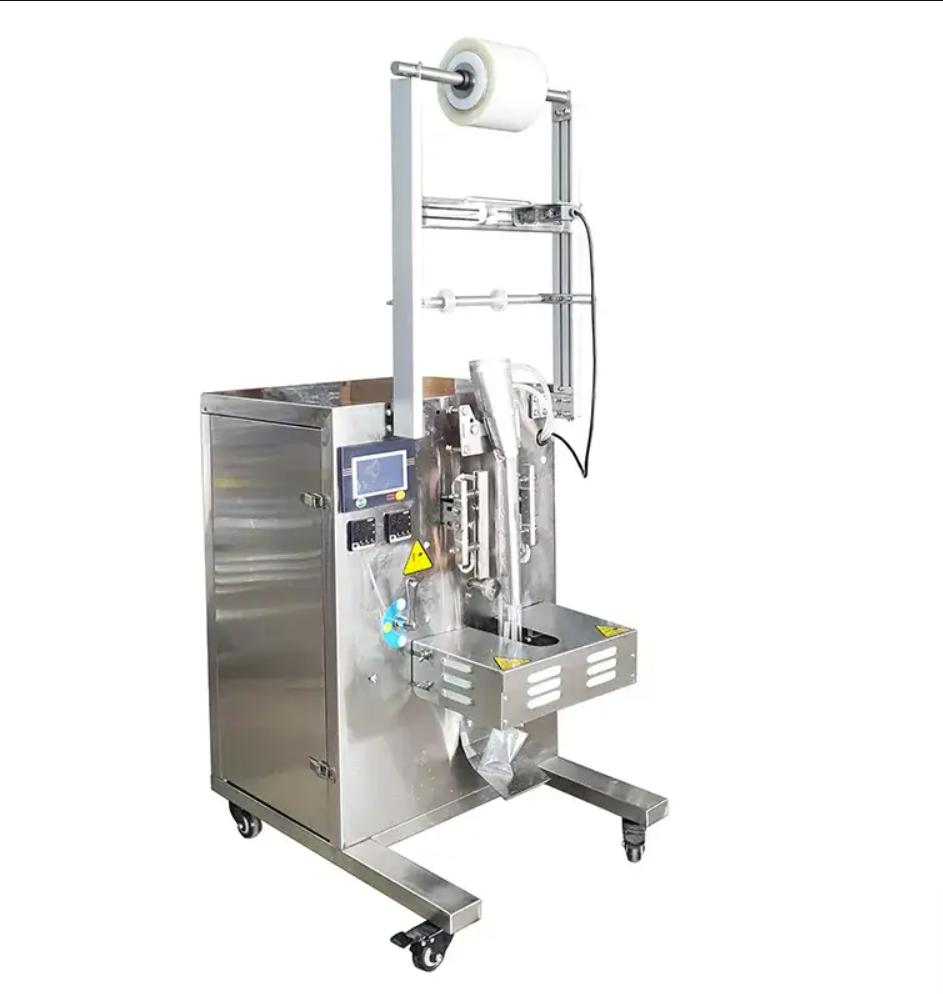
In these applications, AirTAC SC cylinders are widely used due to their durability and cost-effectiveness.
Advantages and Disadvantages of Pneumatic Cylinders
Advantages
- Fast operation
- Low cost
- Easy installation
- Safe (no explosion risk)
Disadvantages
- Lower force compared to hydraulic systems
- Depends on compressed air supply
- Less precise than servo systems
When Should You Use a Pneumatic Cylinder?
You should use pneumatic cylinders when:
- High speed is required
- Large force is not necessary
- Cost optimization is important
- A compressed air system is already available
Many businesses choose AirTAC SC cylinders because they are easy to replace and cost-efficient.
Common Types of Pneumatic Cylinders
Pneumatic cylinders come in various types depending on design and application:
- Standard cylinders (SC, DNC…)
- The most common type in industry
- 👉 Explore AirTAC SC cylinders
- Compact cylinders
- Space-saving design
- Guided cylinders
- Anti-rotation, higher precision
- Dual-rod cylinders
- Better load stability
- Mini cylinders
- Used for small systems
👉 Among these, SC series cylinders are the most widely used thanks to their affordability and versatility.
Conclusion
Pneumatic cylinders are essential components in modern automation systems. Understanding their structure, working principle, and applications helps you:
- Select the right cylinder
- Optimize system cost
- Avoid common mistakes
👉 If you're looking for practical solutions, you can explore AirTAC SC cylinders, widely used across industries.
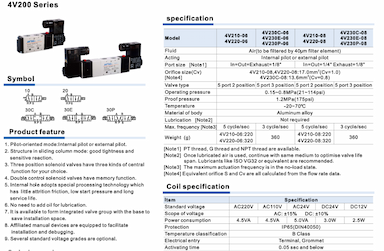
How to Select AirTAC Solenoid Valves from A-Z (With Technical Guidance)

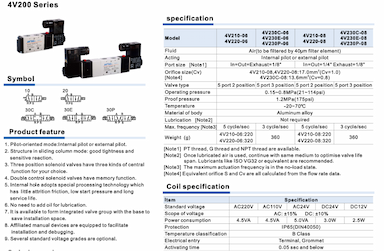
AirTAC Pneumatic Combo Solution – Valve + Cylinder + Air Filter
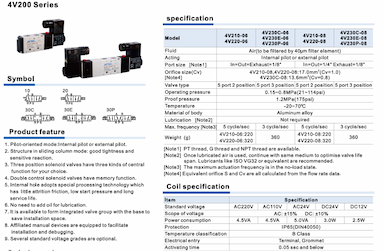
Where to Buy Genuine AirTAC Pneumatic Valves – Trusted Suppliers
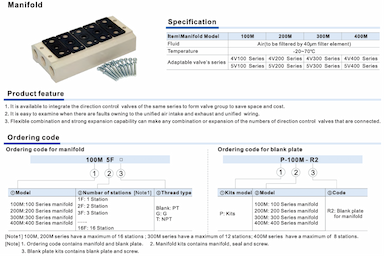
Latest AirTAC Solenoid Valve Price List – 2026 Update
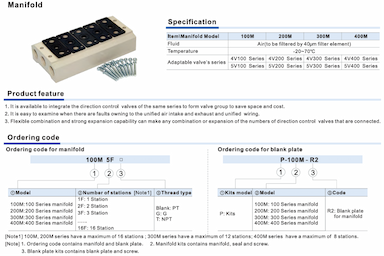
AirTAC Solenoid Valve Accessories – Quick Connects, Silencers, and Sub-Bases
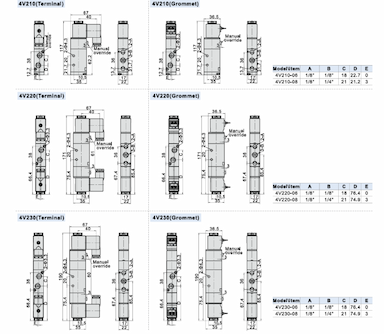
Top-Selling AirTAC 4V Series Solenoid Valve Models in 2026
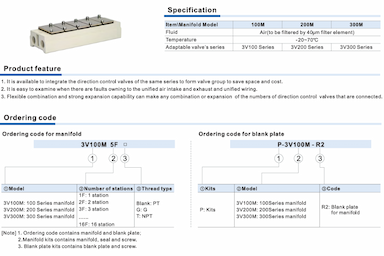
AirTAC Solenoid Valve Catalog – Full Guide to Download and Use the PDF
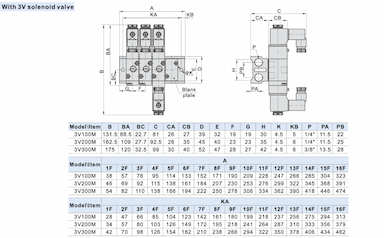
Complete AirTAC Solenoid Valve Specification Table – Your Ultimate Guide
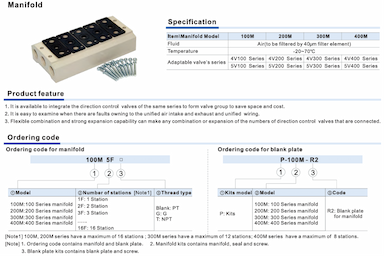
AirTAC Solenoid Valve Maintenance Checklist – Troubleshooting Guide
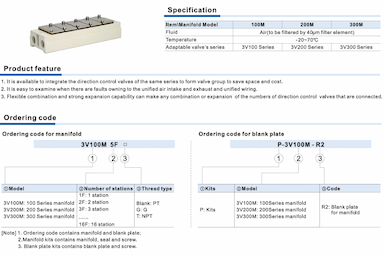
Solenoid Valve Vibration and Noise – Quick Troubleshooting Guide for Pneumatic Systems